Với hơn 10 năm kinh nghiệm về vận chuyển khí nén, Headpowder Sơn Đông cung cấp hệ thống, thiết bị và quạt gió toàn chuỗi, đảm nhận các dự án kỹ thuật bột trọn gói trên toàn quốc.
Slag, a byproduct of industrial processes such as steelmaking and cement production, requires efficient and reliable transportation methods to ensure proper handling and disposal. For businesses in the construction and industrial sectors, understanding the common methods of slag transportation is crucial for optimizing operations and maintaining compliance with environmental regulations. This article explores several widely used approaches to slag transportation, highlighting their applications and benefits.
1. Pipeline Transportation
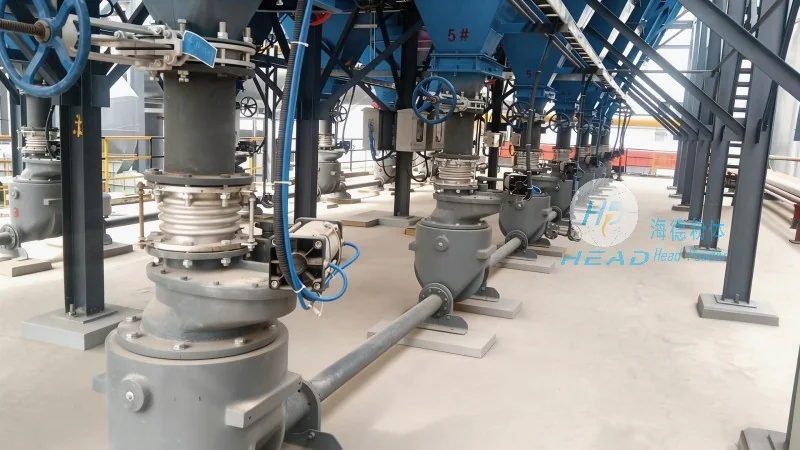
Pipeline transportation is a highly efficient method for moving large volumes of slag over long distances. This approach involves pumping slag through a network of pipes, typically using specialized pumps designed to handle the abrasive nature of slag particles. The system is often integrated with other industrial processes, allowing for seamless transfer from the slag source to storage or disposal sites. For companies like Shandong HeadPowder Engineering Co., Ltd., pipeline systems can be customized to meet specific operational requirements, ensuring minimal downtime and maximum throughput. The use of durable materials, such as high-strength steel or composite pipes, enhances the longevity of the infrastructure and reduces maintenance costs over time. Additionally, advanced monitoring systems can be incorporated to track flow rates, pressure, and temperature, providing real-time data for process optimization and predictive maintenance.
2. Belt Conveyor Systems
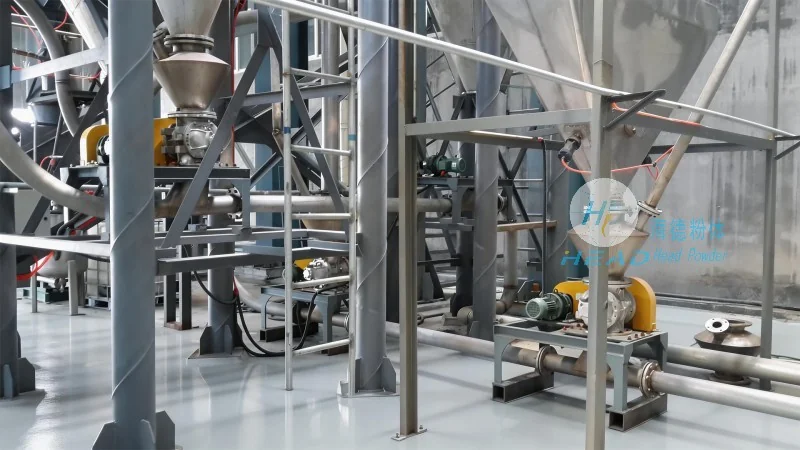
Belt conveyor systems are another popular choice for slag transportation, particularly in applications where horizontal or slight incline movement is required. These systems consist of a continuous belt that transports slag from one location to another, often used in conjunction with other equipment like crushers or screens. The design of the conveyor belt, including its material (e.g., rubber or polyurethane) and tensioning mechanisms, is critical to ensure the efficient and safe movement of slag, preventing material spillage and equipment damage. HeadPowder, with its expertise in material handling solutions, offers tailored belt conveyor systems that can handle the varying sizes and compositions of slag, providing reliable performance in demanding industrial environments. The systems are equipped with safety features, such as emergency stop buttons and protective guards, to comply with occupational health and safety standards.
3. Truck and Heavy-Duty Vehicle Transport
For shorter distances or when flexibility is needed, truck and heavy-duty vehicle transport is a common method for slag movement. This approach involves loading slag into specialized trucks, which then transport it to designated disposal sites or recycling facilities. The trucks are equipped with robust containers and safety features to prevent spillage and ensure compliance with transportation regulations. Companies like Shandong HeadPowder Engineering Co., Ltd. provide comprehensive logistics solutions, including equipment rental and operational support, to facilitate efficient truck-based slag transport. This method is particularly advantageous for projects with irregular or remote locations, as it allows for on-demand transportation without the need for fixed infrastructure. The use of heavy-duty trucks with reinforced frames and specialized loading mechanisms ensures the safe and efficient handling of slag, minimizing the risk of accidents and environmental contamination.
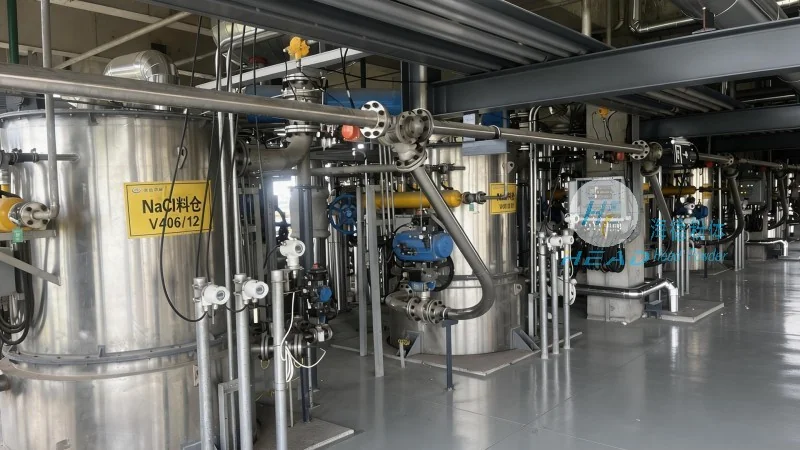
4. Hydraulic or Pneumatic Conveying
Hydraulic and pneumatic conveying systems use fluid or air to transport slag particles through a pipeline. Hydraulic systems employ water or other liquids to move the material, while pneumatic systems use compressed air. These methods are suitable for transporting fine or dry slag particles and can be integrated with existing industrial pipelines. The choice between hydraulic and pneumatic systems depends on factors such as the slag's properties, distance, and available infrastructure. HeadPowder's engineering team specializes in designing and implementing these systems, ensuring optimal performance and energy efficiency. By leveraging advanced control technologies, these systems can be automated to enhance operational efficiency and reduce labor costs. For example, hydraulic conveying systems can achieve high flow rates with minimal energy consumption, making them ideal for large-scale slag handling operations.
5. Combination Methods
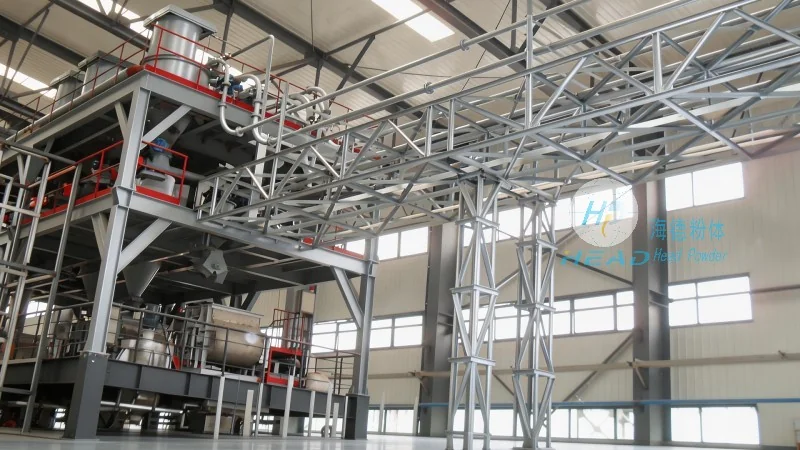
In many industrial settings, a combination of the above methods is used to achieve the most efficient slag transportation. For example, a pipeline system may transport slag from the production site to a central storage facility, followed by truck transport to the final disposal location. This integrated approach allows for the optimization of each stage of the process, minimizing costs and maximizing throughput. Shandong HeadPowder Engineering Co., Ltd. offers customized solutions that combine different transportation methods, tailored to the specific needs of each client. By leveraging their expertise in process engineering and material handling, HeadPowder helps businesses streamline their slag management operations and improve overall productivity. The company's team of engineers works closely with clients to assess their unique requirements, develop tailored systems, and provide ongoing support to ensure long-term success.

 Shandong Headpowder Engineering Co., Ltd.
 156-6277-7102(Quản lý Trương)
  0531-83386006
  Thành phố Tế Nam, Tỉnh Sơn Đông, Trung Quốc
Điện thoại
WeChatTư vấn
Lên đầu