Với hơn 10 năm kinh nghiệm về vận chuyển khí nén, Headpowder Sơn Đông cung cấp hệ thống, thiết bị và quạt gió toàn chuỗi, đảm nhận các dự án kỹ thuật bột trọn gói trên toàn quốc.
When it comes to the efficient handling and transportation of latex powder, selecting the right conveying method is crucial for maintaining product quality, minimizing downtime, and optimizing operational costs. For businesses in the rubber and related industries, understanding the common methods of latex powder conveying is essential for selecting the most suitable solution for their specific needs. This article explores several widely used approaches to latex powder conveying, highlighting their applications, advantages, and considerations.
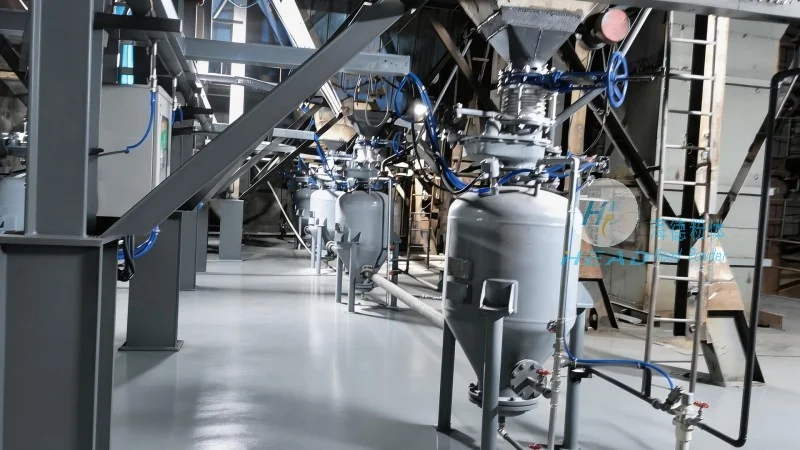
1. Mechanical Conveying Systems
Mechanical conveying systems are among the most traditional and widely adopted methods for transporting latex powder. These systems utilize mechanical components such as screws, belts, and buckets to move material from one point to another. Screw conveyors, for instance, are particularly effective for vertical or inclined transport, as they can handle a wide range of powder types and flow rates. The design of mechanical conveyors allows for precise control over the speed and direction of material movement, making them suitable for applications where product integrity is paramount. Companies like Shandong HeadPowder Engineering Co., Ltd. often integrate mechanical conveying solutions into their production lines to ensure reliable and consistent latex powder transport. The robust construction of these systems ensures durability and long-term performance, even in demanding industrial environments.
2. Pneumatic Conveying Systems
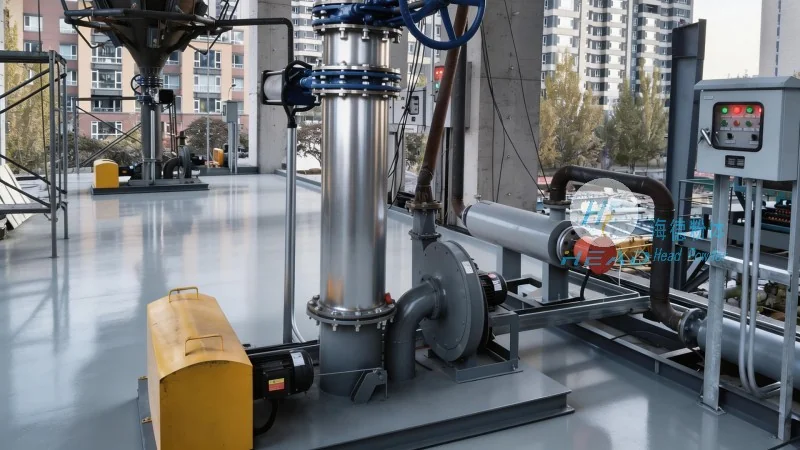
Pneumatic conveying systems represent a more advanced approach to latex powder transport, utilizing air pressure to move material through a pipeline. This method is particularly advantageous for applications requiring high-speed, low-downtime operations, as it can handle large volumes of material over long distances with minimal maintenance. There are two primary types of pneumatic conveying: pressure and vacuum systems. Pressure systems use compressed air to push the powder through the pipeline, while vacuum systems draw the material using a vacuum pump. The choice between these systems depends on factors such as the distance to be covered, the required flow rate, and the specific characteristics of the latex powder. Pneumatic conveying is especially effective for handling fine powders that are prone to caking or agglomeration, as the air flow helps maintain particle separation. Shandong HeadPowder Engineering Co., Ltd. may offer customized pneumatic conveying solutions tailored to the unique requirements of their clients, ensuring optimal performance and efficiency.
3. Hydraulic Conveying Methods
Hydraulic conveying systems employ fluid power to transport latex powder, typically using a combination of pumps and hoses. This method is well-suited for applications where the material needs to be moved over long distances or through complex layouts. Hydraulic conveyors can handle a wide range of particle sizes and flow rates, making them versatile for various latex powder applications. The primary advantage of hydraulic systems is their ability to provide high pressure and force, enabling the movement of heavy or abrasive materials. However, these systems require regular maintenance to ensure proper fluid circulation and prevent system failures. Companies like HeadPowder recognize the importance of reliable hydraulic conveying solutions in maintaining production continuity, and they may offer comprehensive services to support the installation and upkeep of such systems.
4. Air-Lift Conveying
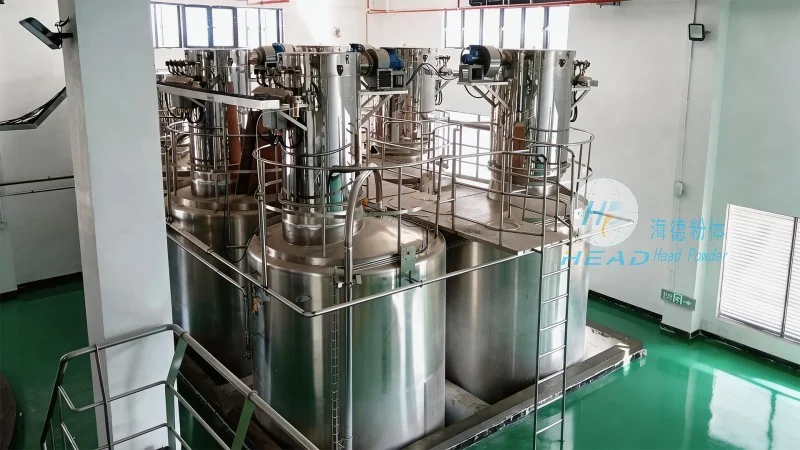
Air-lift conveying is a specialized form of pneumatic conveying that uses a vertical column to lift latex powder using air bubbles. This method is particularly effective for vertical transport, as it can move material from lower to higher levels with minimal energy consumption. The air-lift system typically consists of a vertical pipe with a bottom inlet and a top outlet, where compressed air is introduced to create bubbles that carry the powder upward. The design of air-lift conveyors allows for gentle handling of the latex powder, reducing the risk of particle degradation or damage. This method is often used in applications where space is limited or where the material needs to be elevated to a significant height. Shandong HeadPowder Engineering Co., Ltd. may incorporate air-lift technology into their conveying solutions to address specific vertical transport challenges faced by their clients, ensuring efficient and cost-effective material handling.
5. Vibratory Conveying
Vibratory conveying systems utilize vibration to move latex powder along a trough or conveyor belt. This method is particularly effective for handling cohesive or sticky powders, as the vibration helps break up agglomerates and maintain a consistent flow. The design of vibratory conveyors allows for adjustable vibration frequencies and amplitudes, enabling customization to suit different powder characteristics. These systems are often used in applications where the material needs to be transported over short to medium distances, and where gentle handling is required to prevent product degradation. Vibratory conveyors are also known for their low maintenance requirements and energy efficiency, making them a cost-effective solution for many latex powder handling operations. HeadPowder may offer vibratory conveying solutions that are tailored to the specific needs of their clients, ensuring optimal performance and reliability.

 Shandong Headpowder Engineering Co., Ltd.
 156-6277-7102(Quản lý Trương)
  0531-83386006
  Thành phố Tế Nam, Tỉnh Sơn Đông, Trung Quốc
Điện thoại
WeChatTư vấn
Lên đầu