Với hơn 10 năm kinh nghiệm về vận chuyển khí nén, Headpowder Sơn Đông cung cấp hệ thống, thiết bị và quạt gió toàn chuỗi, đảm nhận các dự án kỹ thuật bột trọn gói trên toàn quốc.
HeadPowder, a leading manufacturer in the field of powder handling solutions, specializes in providing efficient and reliable systems for the conveyance of magnesium powder. With a strong focus on industrial applications, the company's expertise lies in developing tailored solutions that meet the unique demands of various industries. Based in Shandong, China, HeadPowder Engineering Co., Ltd. has established itself as a trusted partner for businesses seeking advanced powder handling technologies.
Understanding the Common Methods for Magnesium Powder Conveyance
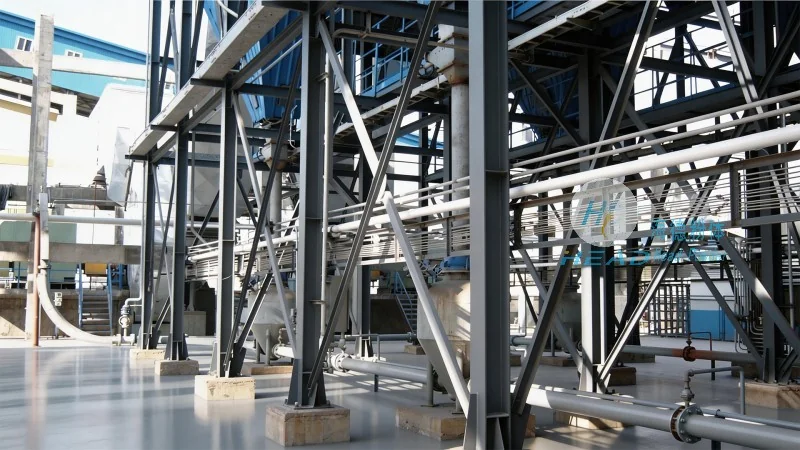
Magnesium powder, due to its lightweight and reactive nature, requires specialized handling techniques to ensure safety and efficiency during transport. The choice of conveyance method depends on several factors, including the powder's properties, the required throughput, and the operational environment. Below are some of the most common methods used for magnesium powder conveyance, each with its own advantages and applications.
Pneumatic Conveying Systems
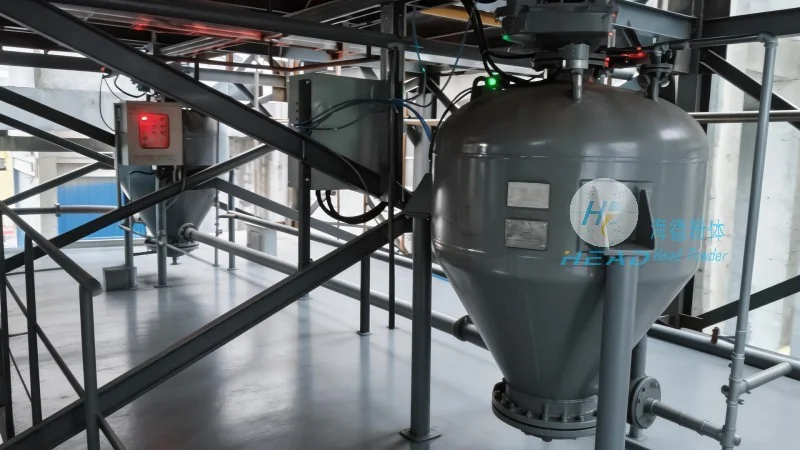
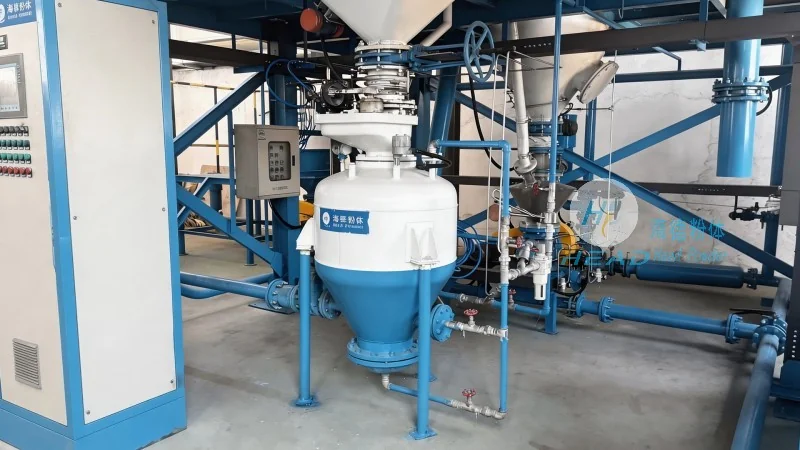
Pneumatic conveying is a widely used method for transporting magnesium powder, especially in applications where dust control and flexibility are critical. This system utilizes air pressure to move the powder through a pipeline. There are two main types: pressure and vacuum systems. Pressure systems use compressed air to push the powder, while vacuum systems use a vacuum to draw the powder. For magnesium powder, pressure systems are often preferred as they can handle higher capacities and are more suitable for long-distance transport. The key components of a pneumatic conveying system include a hopper, a feeder, a pipeline, and a receiver. The hopper stores the magnesium powder, the feeder controls the flow rate, the pipeline transports the powder, and the receiver collects the material at the destination. Pneumatic conveying offers advantages such as minimal product degradation, low maintenance, and the ability to handle powders with high moisture content or abrasive properties. However, it may require more energy compared to other methods and can be affected by changes in air pressure or temperature.
Screw Conveyors for Magnesium Powder
Screw conveyors are another common method for conveying magnesium powder, particularly in applications where a continuous, low-speed transport is needed. This equipment consists of a rotating screw (also known as a helicoid) inside a trough or tube. The screw rotates, pushing the powder forward along the length of the conveyor. Screw conveyors are suitable for horizontal or slight incline transport and can handle a wide range of powder types, including magnesium powder. They are often used in processing plants where the powder needs to be moved from one process unit to another. The main advantages of screw conveyors include their simplicity, low cost, and ability to handle powders with varying bulk densities. However, they may not be suitable for high-capacity or long-distance transport, as the screw can cause excessive friction and heat generation, potentially affecting the powder's quality. Additionally, screw conveyors may require regular maintenance to prevent wear and tear on the screw and trough.
Vibrating Conveyors and Their Role in Magnesium Powder Handling
Vibrating conveyors are used for the transport of magnesium powder in applications where gentle handling is required to prevent particle degradation. These systems use vibrations to move the powder along a conveyor bed. The vibration is typically generated by an electric motor or a mechanical device, causing the conveyor to oscillate. The frequency and amplitude of the vibration can be adjusted to control the speed and direction of the powder flow. Vibrating conveyors are ideal for handling delicate or abrasive powders, as they minimize impact and friction. They are commonly used in industries such as food processing, pharmaceuticals, and chemical manufacturing, where product quality is paramount. The main benefits of vibrating conveyors include their ability to handle powders with high moisture content, low flowability, or high bulk density. However, they may have lower throughput compared to other methods and can be affected by the conveyor's design and the properties of the powder being transported.
Bucket Elevators for Vertical Magnesium Powder Transport
Bucket elevators are employed for vertical transport of magnesium powder, especially in applications where the powder needs to be lifted to a higher level. This equipment consists of a series of buckets attached to a belt or chain that moves vertically. The buckets scoop the powder from a hopper at the bottom and discharge it at the top. Bucket elevators are highly efficient for vertical transport and can handle large volumes of powder. They are commonly used in industries such as mining, cement, and chemical processing. The advantages of bucket elevators include high capacity, minimal space requirement, and the ability to transport powders over long vertical distances. However, they may require more maintenance compared to other methods and can be affected by the size and shape of the buckets, as well as the powder's flow characteristics.
Selection Criteria for Magnesium Powder Conveyance Methods
When selecting a conveyance method for magnesium powder, several factors must be considered to ensure optimal performance and safety. The first factor is the powder's physical properties, such as particle size, bulk density, and flowability. For example, fine magnesium powder may require a system with gentle handling to prevent agglomeration, while coarse powder may be suitable for high-speed transport. The second factor is the required throughput and distance of transport. For short distances and low capacities, a screw conveyor or vibrating conveyor may be sufficient. For long distances and high capacities, a pneumatic conveying system or bucket elevator may be more appropriate. The third factor is the operational environment, including the need for dust control, explosion protection, and environmental regulations. For applications in hazardous environments, explosion-proof pneumatic systems or sealed screw conveyors may be necessary. The fourth factor is the cost and maintenance requirements. While pneumatic systems may have higher initial costs, they offer lower maintenance in the long run. Screw conveyors, on the other hand, have lower initial costs but may require more frequent maintenance. Ultimately, the choice of conveyance method should be based on a comprehensive evaluation of these factors to ensure the most efficient and safe transport of magnesium powder.
Conclusion
HeadPowder Engineering Co., Ltd. offers a range of powder handling solutions tailored to the specific needs of magnesium powder conveyance. By understanding the different methods available and their respective advantages, businesses can select the most suitable system for their operations. Whether it's pneumatic conveying, screw conveyors, vibrating conveyors, or bucket elevators, each method plays a crucial role in ensuring the safe and efficient transport of magnesium powder. With its expertise in powder handling technologies, HeadPowder continues to provide innovative solutions that meet the evolving demands of various industries, helping businesses improve their productivity and maintain product quality.

 Shandong Headpowder Engineering Co., Ltd.
 156-6277-7102(Quản lý Trương)
  0531-83386006
  Thành phố Tế Nam, Tỉnh Sơn Đông, Trung Quốc
Điện thoại
WeChatTư vấn
Lên đầu