Với hơn 10 năm kinh nghiệm về vận chuyển khí nén, Headpowder Sơn Đông cung cấp hệ thống, thiết bị và quạt gió toàn chuỗi, đảm nhận các dự án kỹ thuật bột trọn gói trên toàn quốc.
When it comes to transporting polyvinyl chloride (PVC), selecting the right method is crucial for ensuring efficiency, safety, and cost-effectiveness in industrial operations. The choice of conveying method depends on various factors such as the properties of the PVC material, the distance it needs to be transported, the required flow rate, and the specific application requirements. In this article, we will explore the common methods used for PVC conveying, highlighting their advantages and typical applications.
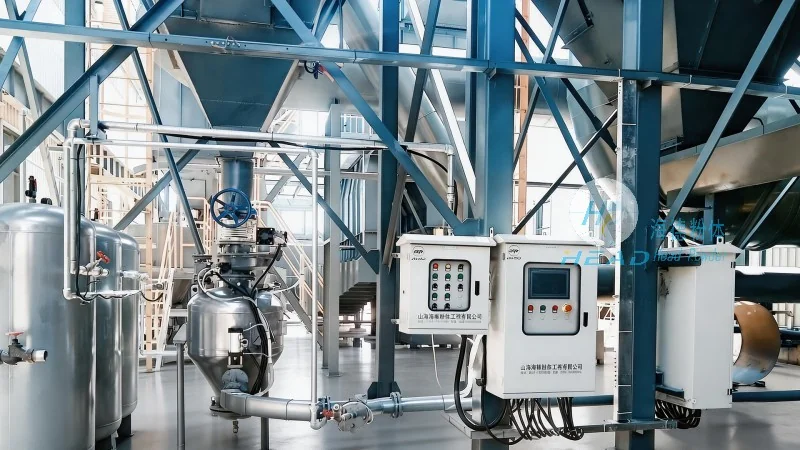
Pipe Conveying Systems
Pipe conveying, also known as pneumatic or vacuum conveying, is a widely used method for transporting PVC particles, pellets, or powders. This system utilizes air pressure or vacuum to move the material through a network of pipes. The primary advantage of pipe conveying is its ability to handle fine powders and pellets without the need for mechanical components that might cause wear or contamination. The system can be designed as either positive pressure (blowing air into the pipe) or negative pressure (sucking material into the pipe). For PVC, which can be abrasive or have specific flow characteristics, pipe conveying offers a clean and efficient solution. Companies like Shandong HeadPowder Engineering Co., Ltd. specialize in designing and manufacturing customized pipe conveying systems tailored to the unique needs of PVC processing plants, ensuring optimal performance and durability.
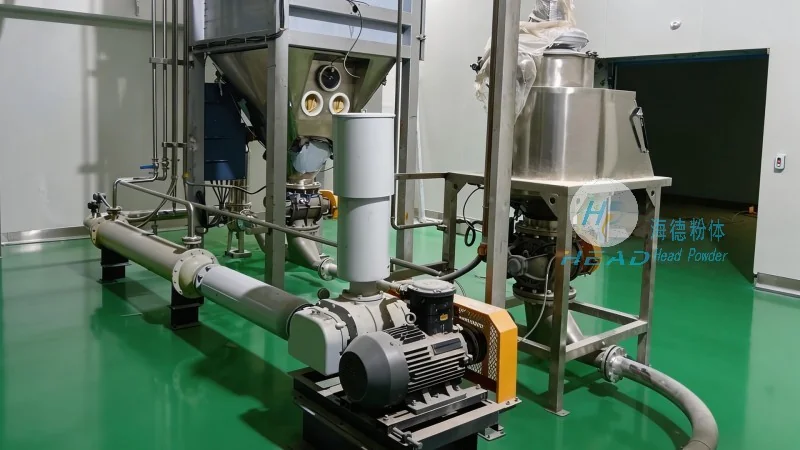
Belt Conveying
Belt conveying is another common method for transporting PVC, especially in applications where bulk materials need to be moved over longer distances or at higher capacities. This system consists of a continuous loop of belt that moves over rollers or pulleys, carrying the PVC material from one point to another. Belt conveyors are particularly suitable for transporting larger PVC pellets or granules, as they can handle higher loads and maintain a consistent flow rate. The design of the belt conveyor, including the type of belt material (such as rubber or PVC-coated fabric) and the speed of the belt, can be adjusted to suit the specific characteristics of the PVC being conveyed. For example, in PVC production facilities, belt conveyors are often used to transport raw materials from storage to processing equipment, or to move finished products to packaging areas. The efficiency and reliability of belt conveying make it a preferred choice for many industrial applications, and companies like HeadPowder provide specialized solutions to enhance the performance of these systems.
Pump Conveying
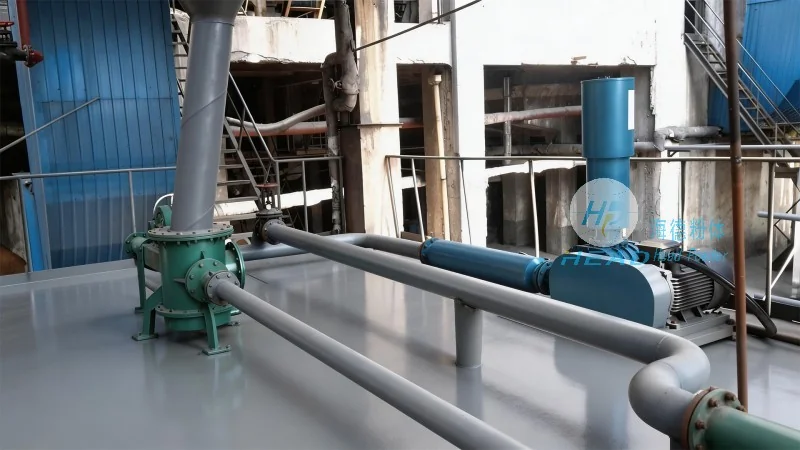
Pump conveying, particularly using positive displacement pumps or centrifugal pumps, is suitable for transporting PVC in liquid or slurry form. This method is commonly used when the PVC material is dissolved or suspended in a liquid, such as in the production of PVC solutions or emulsions. The pump system can handle viscous materials and ensure a steady flow rate, which is essential for maintaining consistent quality in PVC processing. For instance, in the manufacturing of PVC compounds, pump conveying may be used to transport the PVC resin and additives through mixing and processing equipment. The choice of pump type depends on the viscosity of the PVC solution and the required flow rate. Companies specializing in industrial equipment, such as Shandong HeadPowder Engineering Co., Ltd., offer a range of pump solutions designed to handle the unique properties of PVC, ensuring reliable and efficient material transport.
Screw Conveying
Screw conveying, also known as auger conveying, is a method that uses a rotating screw to move PVC material through a tube or trough. This system is particularly effective for transporting bulk materials that are free-flowing or have moderate bulk density. The screw conveyor can be designed with different screw configurations (e.g., solid or ribbon screws) to suit the specific characteristics of the PVC being conveyed. For example, in PVC processing plants, screw conveyors are often used to transport PVC pellets from storage bins to processing equipment or to move finished products to packaging lines. The advantage of screw conveying is its simplicity and low maintenance requirements, making it a cost-effective solution for many applications. However, it is important to consider the potential for material degradation or blockages when using screw conveyors with PVC, as the material may be abrasive or have specific flow characteristics. Companies like HeadPowder provide customized screw conveyor solutions to address these challenges and ensure efficient operation.
Choosing the Right PVC Conveying Method
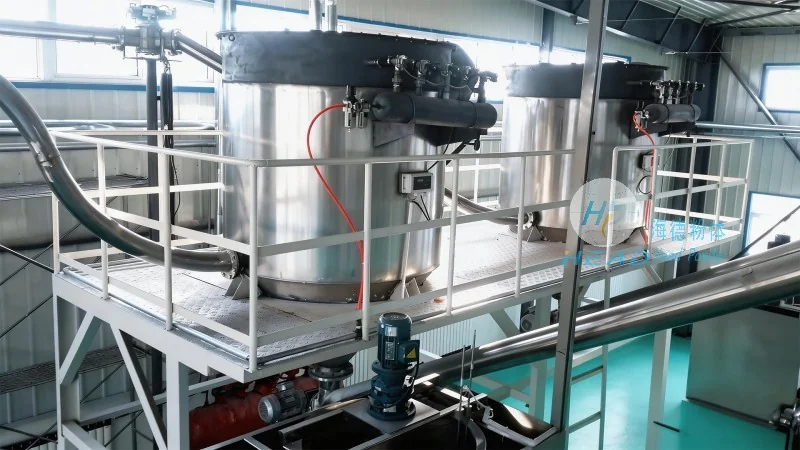
When selecting a PVC conveying method, it is essential to consider several factors to ensure the best results. The first factor is the physical properties of the PVC material, such as its particle size, bulk density, and flow characteristics. For example, fine powders may be better suited for pipe conveying, while larger pellets may be more efficiently transported using belt or screw conveyors. The second factor is the distance and capacity requirements. For short distances and low capacities, a simple screw conveyor may be sufficient, while for longer distances or higher capacities, a pipe or belt conveyor system may be more appropriate. The third factor is the environmental and safety considerations. Some methods, such as pipe conveying, may require additional dust control measures to prevent air pollution, while others, such as belt conveying, may need to be enclosed to prevent material spillage. Finally, the cost and maintenance requirements of each method should be evaluated to ensure it aligns with the budget and operational needs of the facility. By carefully considering these factors, industrial facilities can choose the most suitable PVC conveying method to optimize their operations and ensure the efficient and safe transport of PVC materials.

 Shandong Headpowder Engineering Co., Ltd.
 156-6277-7102(Quản lý Trương)
  0531-83386006
  Thành phố Tế Nam, Tỉnh Sơn Đông, Trung Quốc
Điện thoại
WeChatTư vấn
Lên đầu