Với hơn 10 năm kinh nghiệm về vận chuyển khí nén, Headpowder Sơn Đông cung cấp hệ thống, thiết bị và quạt gió toàn chuỗi, đảm nhận các dự án kỹ thuật bột trọn gói trên toàn quốc.
Fracturing sand, also known as proppant, is a critical component in hydraulic fracturing operations, used to keep fractures open after the fracturing fluid has been pumped out. The efficient transportation of these sand particles is essential for the success of oil and gas extraction projects. Various methods have been developed to handle the unique challenges of moving large volumes of abrasive, high-density materials over long distances. This article explores the primary methods for fracturing sand transportation, highlighting the key considerations and applications for each approach. The information is provided by Shandong HeadPowder Engineering Co., Ltd., a leading provider of frac sand and related services based in Shandong, China.
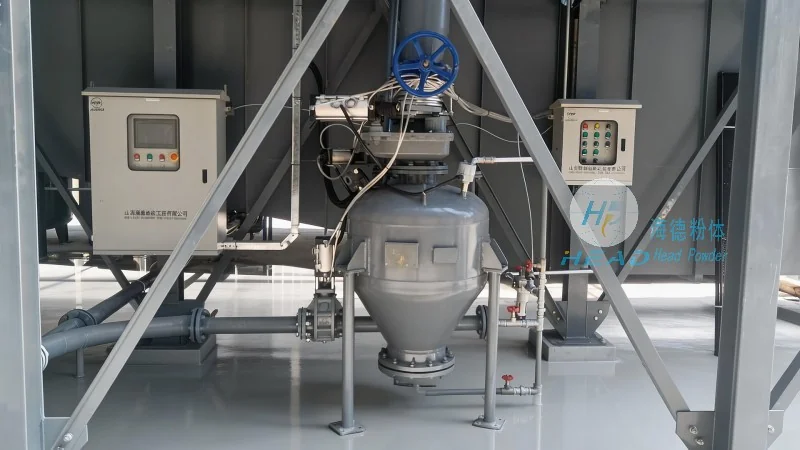
1. Trucking: The Traditional and Versatile Option
Trucking remains one of the most common methods for transporting frac sand. This approach involves using specialized trucks equipped with bulk containers or trailers designed to carry large quantities of sand. The trucks are typically loaded at the sand mine or processing facility and then transported to the well site. Trucking offers flexibility, as it can reach remote locations where other transportation methods may not be feasible. However, it has limitations, such as the need for multiple trips to transport large volumes and potential environmental concerns related to dust and emissions. The use of enclosed trailers helps mitigate dust issues, ensuring compliance with environmental regulations while maintaining the integrity of the sand.
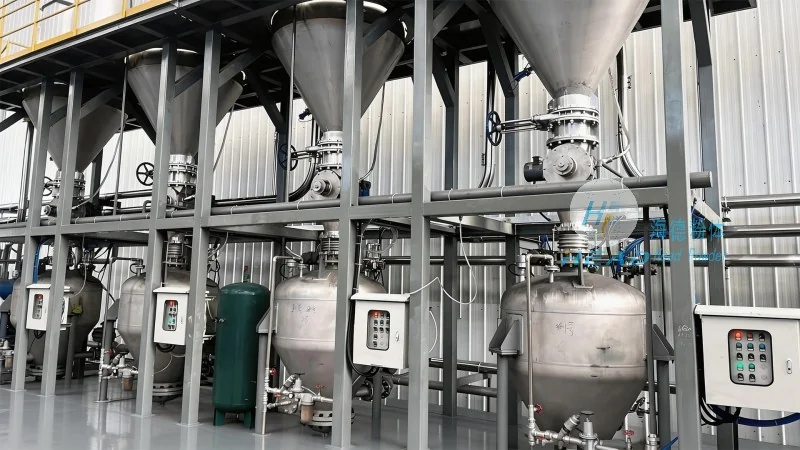
2. Rail Transportation: Efficient for Bulk and Long-Distance Moves
Rail is an increasingly popular method for transporting frac sand, especially for bulk shipments over long distances. This method involves loading sand into railcars, which can carry substantial volumes in a single trip. Rail transportation is often more cost-effective for large-scale operations, as it reduces the number of trips required compared to trucking. Additionally, it has a lower carbon footprint per ton-mile, making it a more sustainable option for companies focused on environmental responsibility. The process typically involves loading the sand at a rail terminal, where it is then transported to a railyard near the well site before being transferred to trucks for final delivery. This combination of rail and truck, known as intermodal transport, maximizes efficiency and reduces logistical complexity.
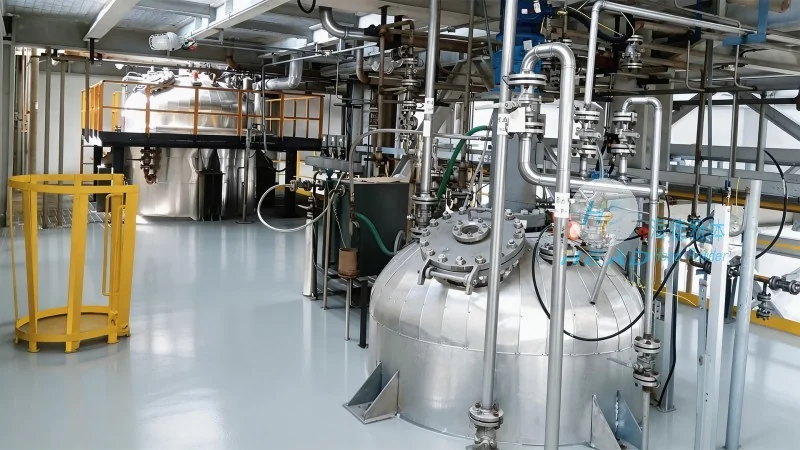
3. Barge and Waterway Transport: Ideal for Coastal and Riverine Regions
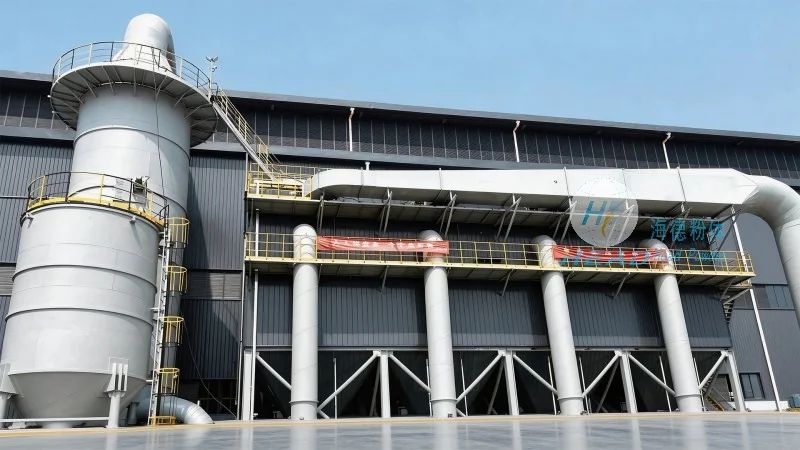
For projects located near waterways, barge and waterway transport is a viable option for frac sand delivery. This method involves loading sand into barges, which are then navigated along rivers, canals, or coastal routes to the well site. Barge transport is particularly advantageous in areas with extensive water infrastructure, as it can handle large volumes of sand with fewer logistical constraints compared to road or rail. However, it is limited to regions with suitable waterways and may require additional infrastructure, such as loading docks or transfer facilities, to connect the barges to the well site. The use of covered barges helps protect the sand from moisture and contamination, preserving its quality and effectiveness in fracturing operations.
4. Pipeline Transport: Emerging Technology for High-Volume, Low-Pressure Moves
While less common than trucking or rail, pipeline transport is an emerging technology for frac sand transportation. This method involves pumping sand through a pipeline system, which is particularly suitable for high-volume, low-pressure applications. The pipeline can be designed to transport sand over long distances with minimal loss or degradation, making it ideal for operations with multiple well sites along a pipeline route. However, pipeline transport requires significant upfront investment in infrastructure, including the pipeline itself, pumping stations, and control systems. It is most effective for companies with consistent, high-volume demand and well-defined transportation routes. The technology is still developing, but it offers the potential for significant efficiency gains and reduced environmental impact compared to traditional trucking methods.

 Shandong Headpowder Engineering Co., Ltd.
 156-6277-7102(Quản lý Trương)
  0531-83386006
  Thành phố Tế Nam, Tỉnh Sơn Đông, Trung Quốc
Điện thoại
WeChatTư vấn
Lên đầu