Với hơn 10 năm kinh nghiệm về vận chuyển khí nén, Headpowder Sơn Đông cung cấp hệ thống, thiết bị và quạt gió toàn chuỗi, đảm nhận các dự án kỹ thuật bột trọn gói trên toàn quốc.
When it comes to efficiently delivering fertilizers to agricultural fields, various methods are employed to ensure optimal distribution and application. Understanding these common transport methods is crucial for farmers and agricultural professionals seeking to enhance productivity and resource management. This article explores the primary approaches used in fertilizer transport, highlighting the technologies and systems that facilitate the movement of these essential nutrients from production sites to the fields.
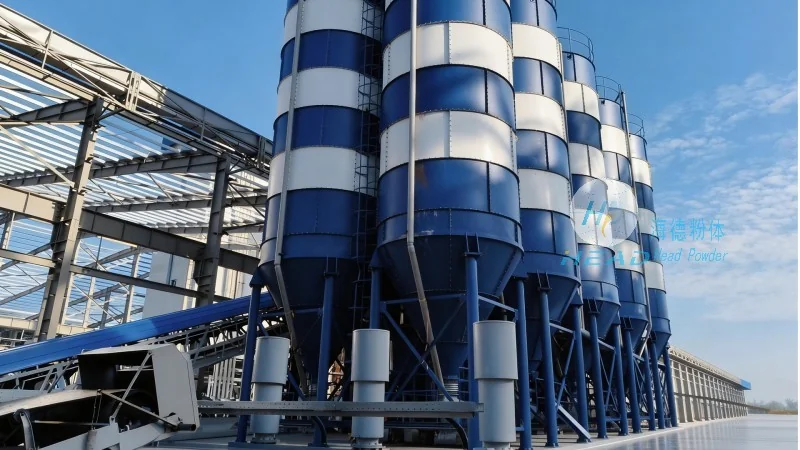
1. Pipeline and Piping Systems for Fertilizer Transport
One of the most prevalent methods for fertilizer transport is through pipeline and piping systems. These systems involve the use of specialized pipes and valves to convey liquid fertilizers, such as nitrogen solutions or liquid manures, from storage tanks to application points. The pipeline infrastructure can be either permanent, installed along the field boundaries or within the farm layout, or temporary, set up for seasonal application. The design of these systems typically includes pressure regulation components, flow meters, and filtration units to maintain the quality and consistency of the fertilizer solution. For agricultural operations, especially those with large-scale irrigation or fertigation needs, pipeline systems offer a continuous and automated delivery method, reducing labor costs and minimizing the risk of spills or contamination. The choice of materials for the pipes, such as polyethylene or steel, depends on the type of fertilizer being transported and the environmental conditions of the farm. Polyethylene pipes are often preferred for their flexibility, corrosion resistance, and cost-effectiveness, making them suitable for both permanent and temporary installations. In contrast, steel pipes may be used for high-pressure applications or in areas with aggressive soil conditions, providing durability and strength. The integration of these pipeline systems with pump stations allows for controlled pressure and flow rates, ensuring that the fertilizer is delivered at the appropriate rate for precise application. This method is particularly effective for large farms or agricultural cooperatives that require consistent and reliable supply of fertilizers across multiple fields.
2. Pumping Systems and Fertigation Technology
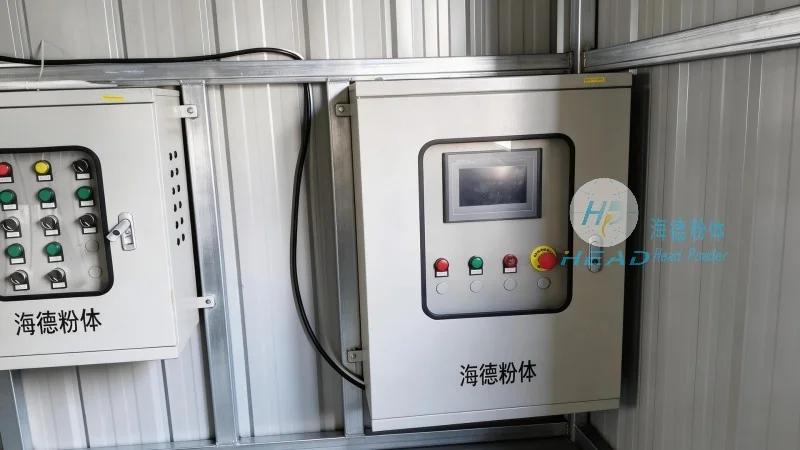
Another critical component in fertilizer transport is the pumping system, which is often combined with fertigation technology. Fertigation refers to the process of applying fertilizers through an irrigation system, allowing for simultaneous water and nutrient delivery. This approach is widely used in modern agriculture to optimize water usage and nutrient uptake by plants. The pumping systems used in fertigation typically include centrifugal pumps, diaphragm pumps, or submersible pumps, depending on the specific requirements of the application. Centrifugal pumps are commonly used for high-volume, low-pressure applications, such as distributing liquid fertilizers from storage tanks to the irrigation network. They are efficient and capable of handling large quantities of fluid, making them suitable for extensive agricultural operations. Diaphragm pumps, on the other hand, are ideal for low-flow, high-pressure applications, where precise control over the fertilizer dosage is essential. These pumps use a flexible diaphragm to displace fluid, providing accurate dosing and minimizing the risk of clogging. Submersible pumps, installed directly in the fertilizer storage tank, are used for applications where the tank is located at a lower level, allowing gravity to assist in the flow. The selection of the pump type depends on factors such as the viscosity of the fertilizer solution, the required flow rate, and the system pressure. In addition to the pump itself, the fertigation system includes components like pressure regulators, flow meters, and injection valves. These components work together to mix the fertilizer with water at the correct ratio and inject it into the irrigation lines. The injection valves are typically located at the beginning of the irrigation system, ensuring that the fertilizer is evenly distributed throughout the water flow. The use of advanced control systems, such as programmable logic controllers (PLCs) or automated dosing units, allows for precise management of the fertilizer application rate, adapting to changing crop needs or environmental conditions. This technology enhances the efficiency of fertilizer use, reduces waste, and minimizes environmental impact by preventing over-application or under-application.
3. Tanker and Truck Transport for Bulk Fertilizers
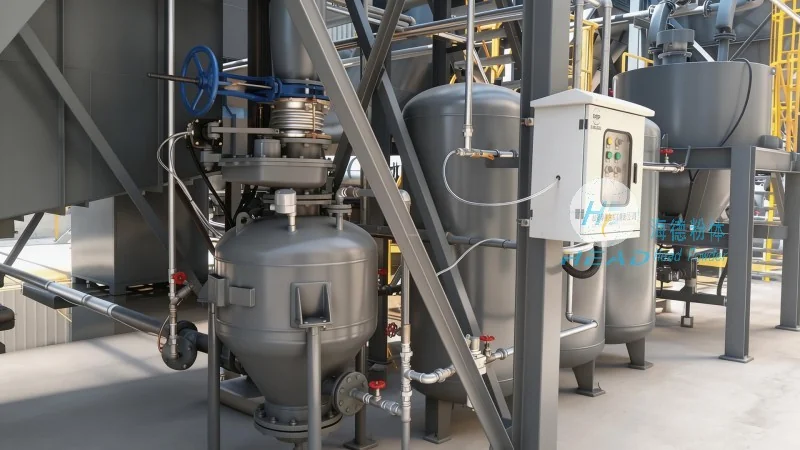
Bulk fertilizers, such as solid or granular materials like urea, ammonium nitrate, or phosphate-based fertilizers, are often transported using tanker trucks or specialized transport vehicles. These vehicles are designed to carry large quantities of fertilizer in bulk, reducing the need for frequent loading and unloading. The transport process involves loading the fertilizer into the tanker at the production facility or storage yard, then delivering it to the farm or distribution center. The tanker trucks are equipped with agitators or mixing mechanisms to prevent the fertilizer from settling or clogging during transit. For solid fertilizers, the trucks may use hopper or bin systems to ensure even distribution of the material. The transport of bulk fertilizers requires careful handling to maintain the quality of the product, as some fertilizers can degrade or lose their effectiveness if exposed to moisture or temperature fluctuations. The trucks are typically insulated or equipped with temperature control systems to protect the fertilizer during transit, especially for sensitive products like nitrogen-based fertilizers. The delivery process involves unloading the fertilizer using specialized equipment, such as augers or conveyor belts, and transferring it to storage silos or application equipment on the farm. This method is particularly suitable for large-scale agricultural operations that require significant quantities of fertilizer, as it offers cost-effective and efficient delivery compared to smaller, more frequent shipments. The use of bulk transport also reduces the environmental impact by minimizing the number of vehicles on the road and the associated emissions. However, it requires proper storage and handling facilities on the farm to ensure the fertilizer remains in optimal condition until application.
4. Manual and Mechanical Spreader Systems
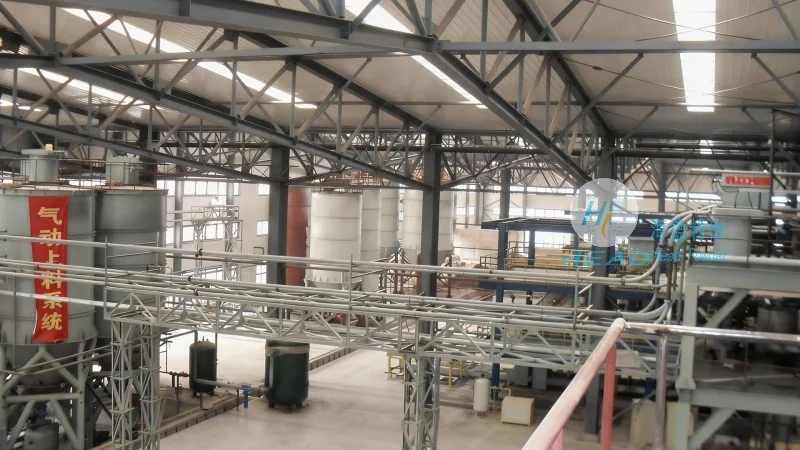
For smaller-scale agricultural operations or specific applications, manual and mechanical spreader systems are used to transport and apply fertilizers. These systems are designed to distribute granular or solid fertilizers over the soil surface, ensuring even coverage and proper nutrient distribution. Manual spreaders, such as broadcast spreaders or hand-held spreaders, are commonly used in small farms or for spot applications. These tools are typically operated by the farmer or an assistant, who spreads the fertilizer evenly across the field by walking or moving the spreader back and forth. The amount of fertilizer applied is controlled by adjusting the spreader settings, such as the opening size or the rate of material release. Mechanical spreaders, on the other hand, are more advanced and can be attached to tractors or other machinery, allowing for larger areas to be covered in a shorter time. These systems include centrifugal spreaders, which use rotating discs to throw the fertilizer material outwards, or broadcast spreaders, which distribute the material in a wider pattern. The mechanical spreaders are equipped with calibration mechanisms to ensure accurate application rates, which is crucial for preventing over-fertilization or under-fertilization. The choice between manual and mechanical spreaders depends on the size of the farm, the type of fertilizer, and the specific application requirements. For example, mechanical spreaders are more suitable for large fields or when high application rates are needed, while manual spreaders are ideal for smaller plots or when precise control over the application is required. The use of these systems allows farmers to apply fertilizers efficiently, even in challenging terrain or during adverse weather conditions. However, it is important to maintain the spreaders regularly to ensure proper functioning and accurate dosing, as worn or damaged parts can lead to uneven application and reduced effectiveness.

 Shandong Headpowder Engineering Co., Ltd.
 156-6277-7102(Quản lý Trương)
  0531-83386006
  Thành phố Tế Nam, Tỉnh Sơn Đông, Trung Quốc
Điện thoại
WeChatTư vấn
Lên đầu