Với hơn 10 năm kinh nghiệm về vận chuyển khí nén, Headpowder Sơn Đông cung cấp hệ thống, thiết bị và quạt gió toàn chuỗi, đảm nhận các dự án kỹ thuật bột trọn gói trên toàn quốc.
When it comes to handling and transporting magnesium oxide powder, selecting the right conveyance method is crucial for ensuring efficiency, safety, and product integrity. Magnesium oxide, also known as magnesia, is a white, odorless powder commonly used in various industries, including construction, pharmaceuticals, and chemical manufacturing. Its properties, such as its fine particle size and potential for dust generation, make the choice of conveyance system critical. This article explores the primary methods used for transporting magnesium oxide powder, highlighting their advantages, applications, and considerations for optimal performance.
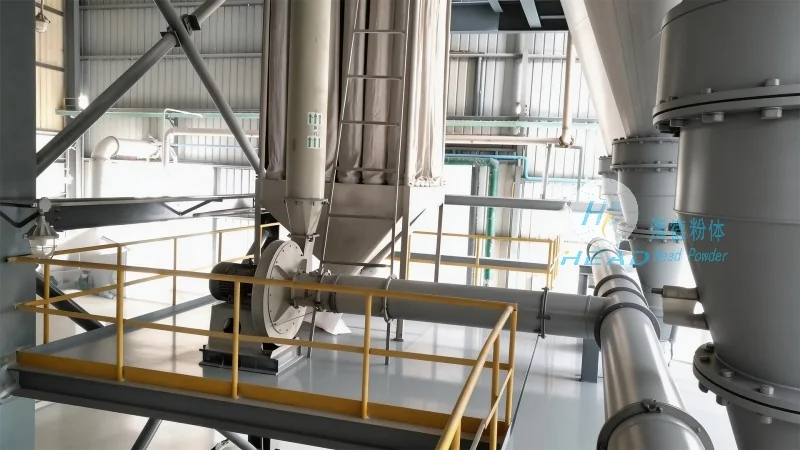
1. Air-Pressure Conveying Systems
One of the most common and effective methods for conveying magnesium oxide powder is air-pressure conveying, also known as pneumatic conveying. This system uses compressed air to move the powder through a pipeline from the source to the destination. There are two main types of pneumatic conveying systems: pressure and vacuum. Pressure systems are typically used for long-distance or high-volume transport, where the material is pushed through the pipeline using positive pressure. Vacuum systems, on the other hand, draw the powder into the pipeline using negative pressure, making them suitable for shorter distances or when the material needs to be collected from multiple points.
For magnesium oxide powder, pressure pneumatic conveying is often preferred due to its ability to handle fine particles and minimize product degradation. The system typically consists of a hopper, a rotary valve, a conveyor line, and a receiver. The rotary valve controls the flow of powder from the hopper into the conveyor line, while the compressed air propels the powder through the pipeline. The receiver collects the powder at the end of the line, allowing for easy discharge. Key advantages of air-pressure conveying include its ability to transport materials over long distances, its compact design, and its suitability for handling dusty or abrasive powders. However, it requires careful control of air pressure and flow rates to prevent blockages or material degradation.
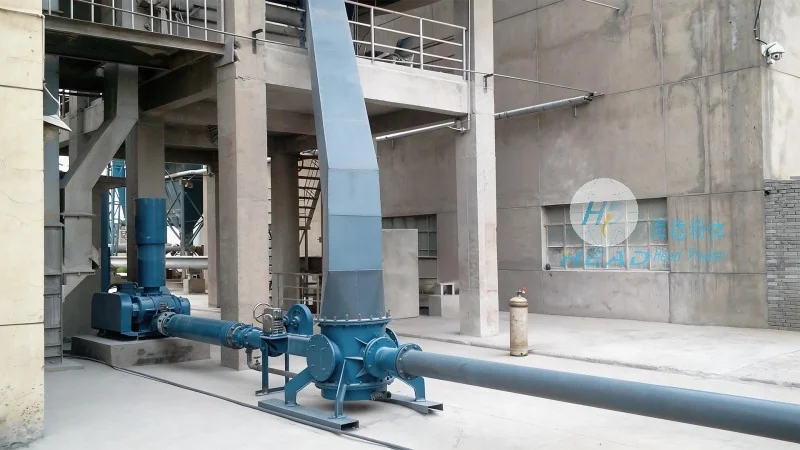
2. Screw Conveyors
Screw conveyors, also known as auger conveyors, are another popular method for transporting magnesium oxide powder. These systems use a rotating screw (auger) to move the material along a trough or tube. The screw is typically made of stainless steel or other corrosion-resistant materials to withstand the abrasive nature of the powder. Screw conveyors are particularly effective for horizontal or slightly inclined transport, as they can handle a wide range of particle sizes and flow rates. They are often used in applications where the powder needs to be moved from a storage silo to a processing unit or for feeding into other equipment.
The design of a screw conveyor includes a trough or tube, a rotating screw, and a drive mechanism. The screw rotates, pushing the powder forward along the trough. The speed of the screw and the pitch (distance between the screw flights) can be adjusted to control the flow rate and prevent material buildup. Screw conveyors are known for their simplicity, low maintenance, and ability to handle bulk materials. However, they may not be suitable for very fine or cohesive powders, as these can cause the screw to stall or the material to stick to the trough walls. For magnesium oxide powder, which has a relatively fine particle size but is not overly cohesive, screw conveyors are a reliable option.
3. Belt Conveyors
Belt conveyors are widely used in bulk material handling and are suitable for transporting magnesium oxide powder over medium to long distances. These systems consist of a continuous belt that moves over rollers or idlers, carrying the powder from the loading point to the discharge point. The belt is typically made of rubber or other durable materials, and the rollers are designed to support the weight of the material and the belt itself. Belt conveyors are particularly effective for horizontal or gently inclined transport and can handle large volumes of material with minimal maintenance.
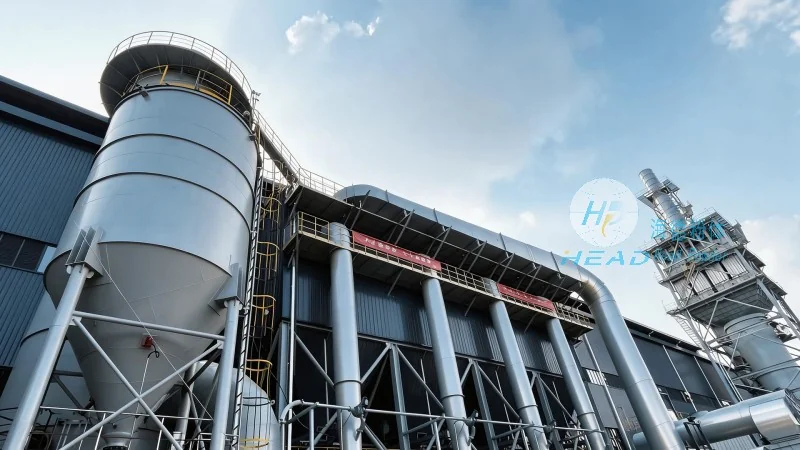
The key components of a belt conveyor include the drive motor, pulleys, idlers, and the belt itself. The drive motor rotates the drive pulley, which pulls the belt, moving the material along the path. The idlers support the belt and keep it at the correct tension. Belt conveyors are known for their high capacity, low cost, and ability to handle a variety of materials, including powders. However, they require regular maintenance to ensure the belt remains in good condition and to prevent material spillage. For magnesium oxide powder, belt conveyors are a good choice when the transport distance is moderate and the material needs to be moved in large quantities.
4. Bucket Elevators
Bucket elevators are vertical or inclined conveyor systems that use a series of buckets attached to a chain or belt to transport material. These systems are particularly useful for moving magnesium oxide powder vertically or over steep inclines, such as from a storage silo to an upper level of a processing plant. The buckets are filled with the powder as they pass through the upper portion of the conveyor and then discharge the material at the lower end.
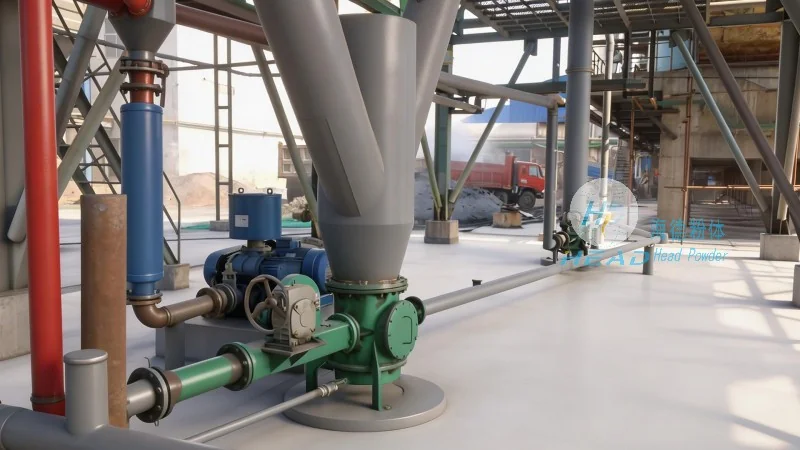
The design of a bucket elevator includes a head pulley, a tail pulley, a drive mechanism, and a series of buckets attached to a chain or belt. The drive mechanism rotates the head pulley, moving the buckets upward. The buckets are filled with the powder as they travel, and the material is discharged as the buckets turn over at the top. Bucket elevators are known for their high vertical lift capacity and ability to handle dusty or abrasive materials. However, they require careful alignment and maintenance to prevent bucket damage or material spillage. For magnesium oxide powder, which can be abrasive and dusty, bucket elevators are a suitable option when vertical transport is necessary.
About Shandong HeadPowder Engineering Co., Ltd.
Shandong HeadPowder Engineering Co., Ltd., commonly known as HeadPowder, is a leading manufacturer and supplier of bulk material handling equipment and solutions. With a focus on innovation and quality, HeadPowder specializes in designing and producing systems tailored to the unique needs of industries handling fine powders, including magnesium oxide. The company's headquarters is located in Shandong, China, and it serves clients worldwide with reliable, efficient, and durable conveyance solutions. HeadPowder's commitment to customer satisfaction and product excellence has made it a trusted partner for businesses in the chemical, construction, and pharmaceutical sectors.

 Shandong Headpowder Engineering Co., Ltd.
 156-6277-7102(Quản lý Trương)
  0531-83386006
  Thành phố Tế Nam, Tỉnh Sơn Đông, Trung Quốc
Điện thoại
WeChatTư vấn
Lên đầu