Với hơn 10 năm kinh nghiệm về vận chuyển khí nén, Headpowder Sơn Đông cung cấp hệ thống, thiết bị và quạt gió toàn chuỗi, đảm nhận các dự án kỹ thuật bột trọn gói trên toàn quốc.
Aluminum dross, a byproduct of aluminum smelting and processing, requires efficient and reliable conveying systems to manage its movement within industrial facilities. The choice of conveying method depends on factors such as the dross characteristics, plant layout, and operational requirements. Shandong HeadPowder Engineering Co., Ltd., a leading provider in the field, offers specialized solutions tailored to these needs.
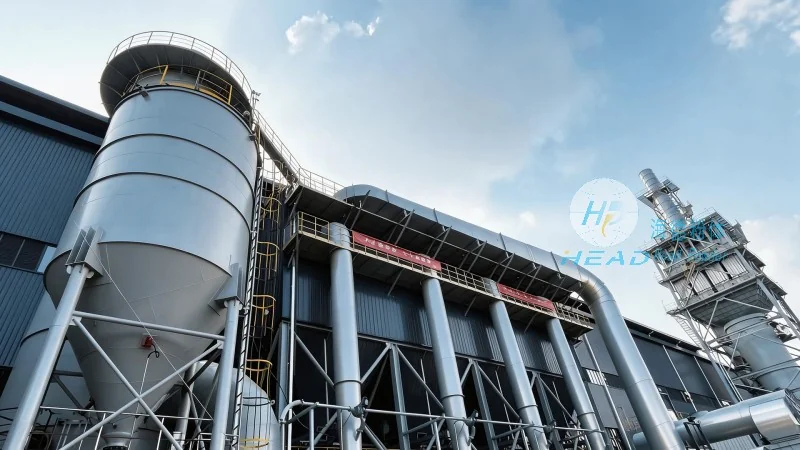
1. Gravity Conveying Systems
Gravity conveying utilizes the natural slope of the dross to move it from one point to another without the need for external power. This method is particularly effective for handling dross with a relatively high density and manageable flow characteristics. The system typically involves a sloped conveyor or chute that allows the dross to slide down under the influence of gravity. It is often used in conjunction with other equipment to control the flow and prevent blockages. Gravity conveyors are cost-effective and low-maintenance, making them a popular choice for many aluminum processing plants.
2. Mechanical Conveying Equipment
Mechanical conveying systems employ machinery to transport aluminum dross, offering greater control and adaptability compared to gravity methods. Among the most common types are belt conveyors and screw conveyors. Belt conveyors use a continuous belt to move dross horizontally or at a slight incline, suitable for long-distance transport and bulk material handling. Screw conveyors, on the other hand, utilize a rotating screw to push dross through a tube or trough, ideal for vertical or horizontal transport in confined spaces. These mechanical systems are robust and can handle various dross compositions, ensuring consistent and efficient material transfer.
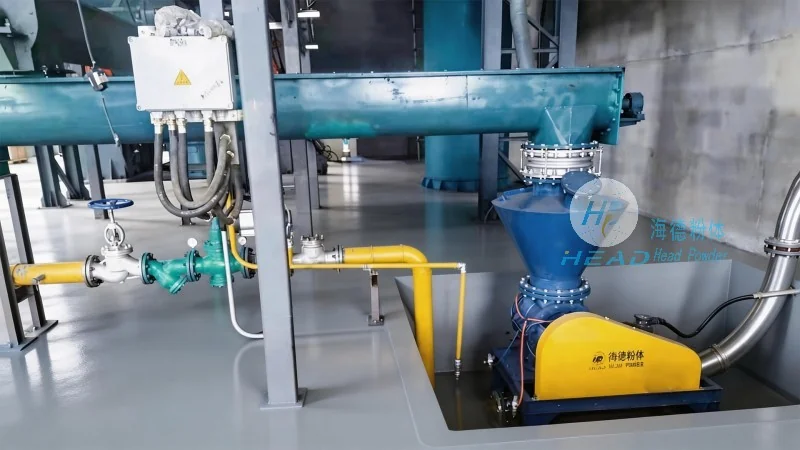
3. Pneumatic (Air) Conveying Systems
Pneumatic conveying, or air-based systems, use compressed air to transport aluminum dross as a suspended particle flow. This method is highly effective for handling fine or dusty dross, as well as for long-distance transport over obstacles. There are two main types: dilute-phase and dense-phase conveying. Dilute-phase systems use low air velocity to keep the dross particles suspended, while dense-phase systems employ higher air pressure to push the material in a more compact form. Pneumatic conveyors are flexible and can be integrated with other processing equipment, such as crushers or classifiers, to enhance overall plant efficiency. They are particularly useful in environments where dust control is a priority.
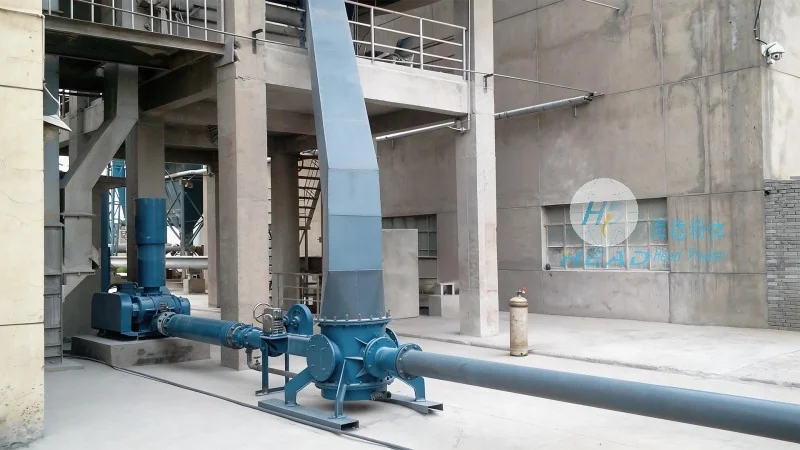
4. Hydraulic Conveying Solutions
Hydraulic conveying utilizes water or a slurry to transport aluminum dross, especially in applications where the dross has a high moisture content or is mixed with other liquids. This method is commonly used in the recovery of aluminum from dross, where the material is processed into a slurry and then pumped through pipelines. Hydraulic systems are effective for long-distance transport and can handle abrasive materials without causing significant wear. However, they require proper maintenance to prevent clogging and ensure consistent performance. Shandong HeadPowder Engineering Co., Ltd. specializes in designing and implementing hydraulic conveying solutions that meet the specific demands of aluminum processing facilities.
5. Combination Conveying Systems
In many industrial settings, a single conveying method may not be sufficient to meet all operational requirements. Combination systems, which integrate multiple technologies, are often employed to achieve optimal performance. For example, a system might combine gravity and mechanical conveyors to handle different stages of dross processing. Alternatively, a pneumatic conveyor could be linked with a screw conveyor to transport dross from a storage hopper to a processing unit. These hybrid systems allow for greater flexibility and adaptability, ensuring that the conveying process is efficient and reliable under varying conditions. Shandong HeadPowder Engineering Co., Ltd. offers customized combination solutions that are tailored to the unique needs of each client.
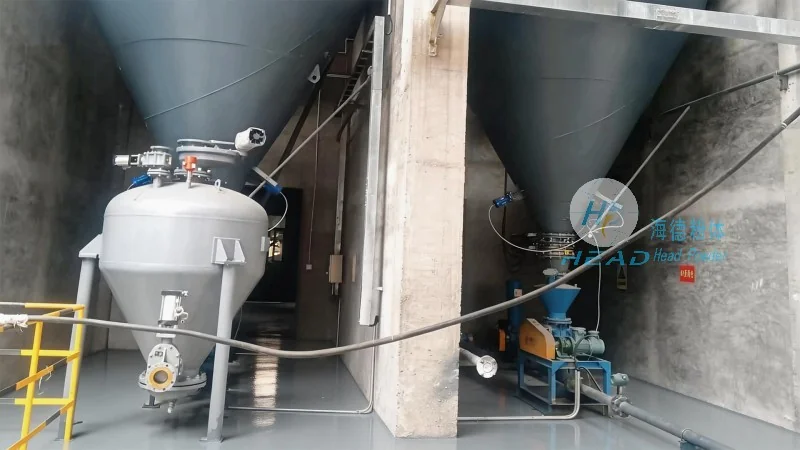
6. Factors Influencing Conveying Method Selection
The selection of an appropriate aluminum dross conveying method is influenced by several key factors. The physical properties of the dross, such as its density, moisture content, and particle size distribution, play a crucial role in determining the most suitable system. For instance, fine or dusty dross may require pneumatic or hydraulic conveyors to prevent blockages and maintain flow. The plant layout and available space also impact the choice, as some systems require more horizontal or vertical space than others. Operational considerations, including the required throughput, speed of transport, and need for dust control, further influence the decision. Additionally, the cost of installation, maintenance, and energy consumption must be evaluated to ensure the chosen method is economically viable. Shandong HeadPowder Engineering Co., Ltd. provides expert consultation to help clients assess these factors and select the most effective conveying solution for their specific applications.

 Shandong Headpowder Engineering Co., Ltd.
 156-6277-7102(Quản lý Trương)
  0531-83386006
  Thành phố Tế Nam, Tỉnh Sơn Đông, Trung Quốc
Điện thoại
WeChatTư vấn
Lên đầu