Với hơn 10 năm kinh nghiệm về vận chuyển khí nén, Headpowder Sơn Đông cung cấp hệ thống, thiết bị và quạt gió toàn chuỗi, đảm nhận các dự án kỹ thuật bột trọn gói trên toàn quốc.
When it comes to the efficient and reliable transportation of alloy powders, selecting the right conveying method is crucial for maintaining product quality and operational efficiency. As a leading manufacturer in the field, Shandong HeadPowder Engineering Co., Ltd. specializes in providing advanced solutions tailored to the unique requirements of alloy powder handling. This article explores the primary alloy powder conveying methods, highlighting their applications, advantages, and considerations for optimal performance.
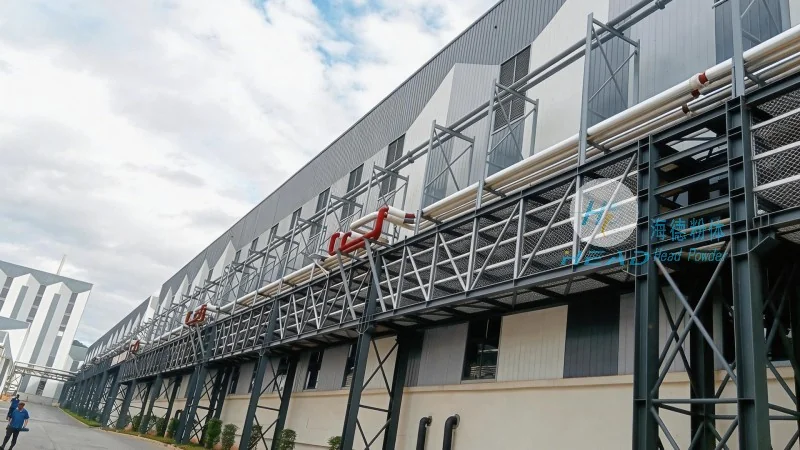
1. Air-Pressure Conveying Systems
Air-pressure conveying, also known as pneumatic conveying, is a widely used method for transporting alloy powders due to its ability to handle fine and abrasive materials. This system operates by creating a pressure differential between the material source and the receiving hopper, using compressed air to move the powder through a pipeline. There are two main types of pneumatic conveying: pressure and vacuum systems. Pressure systems are ideal for long-distance transport and high-volume applications, as they can maintain consistent flow rates and prevent material degradation. Vacuum systems, on the other hand, are suitable for shorter distances and require less energy, making them a cost-effective option for smaller-scale operations. The choice between pressure and vacuum depends on factors such as the distance between the source and destination, the volume of material to be transported, and the specific characteristics of the alloy powder, including its particle size, density, and moisture content. For example, Shandong HeadPowder Engineering Co., Ltd. offers customized air-pressure conveying systems that can handle various alloy powders, ensuring smooth and efficient transport while minimizing product loss and contamination.
2. Screw Conveyors
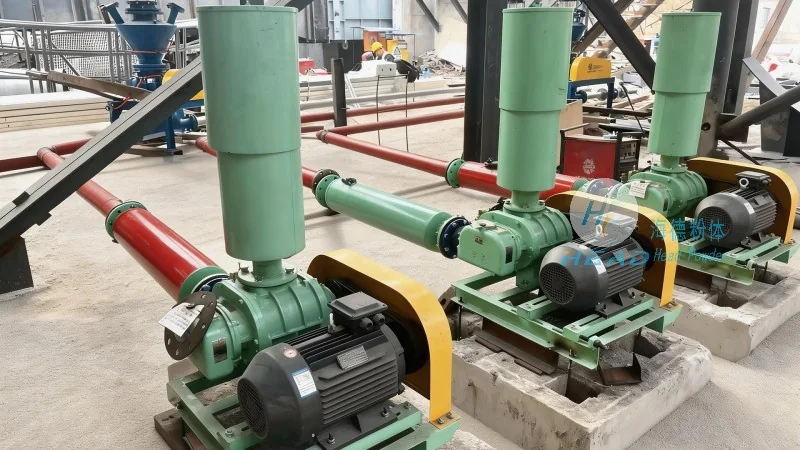
Screw conveyors, also known as auger conveyors, are another common method for alloy powder transportation. These systems consist of a rotating screw (auger) enclosed in a trough or tube, which moves the powder along the length of the conveyor. Screw conveyors are particularly effective for handling dry, free-flowing powders and can be used in both horizontal and inclined configurations. The key advantage of screw conveyors is their simplicity and low maintenance requirements, making them a cost-effective solution for many industrial applications. They are also capable of handling a wide range of materials, including abrasive and corrosive alloys, without causing significant wear or damage. However, screw conveyors may not be suitable for very fine or cohesive powders, as these materials can stick to the screw or the trough walls, leading to reduced efficiency and potential blockages. To address this, Shandong HeadPowder Engineering Co., Ltd. provides screw conveyors with special coatings or materials that minimize friction and prevent material buildup, ensuring consistent performance even with challenging alloy powders.
3. Belt Conveyors
Belt conveyors are a versatile and widely used method for transporting alloy powders, especially in bulk material handling applications. These systems feature a continuous belt that moves the powder from the source to the destination, supported by rollers or idlers. Belt conveyors are capable of handling large volumes of material and can be configured in various configurations, including horizontal, inclined, and even vertical lifts. One of the main advantages of belt conveyors is their high capacity and ability to transport materials over long distances with minimal energy consumption. They are also suitable for handling a variety of alloy powders, including those with different particle sizes and moisture levels. However, belt conveyors require regular maintenance to ensure the belt remains in good condition and to prevent material spillage or contamination. Shandong HeadPowder Engineering Co., Ltd. offers high-quality belt conveyors designed to handle alloy powders, with features such as reinforced belts and adjustable speed controls to optimize performance and reduce downtime.
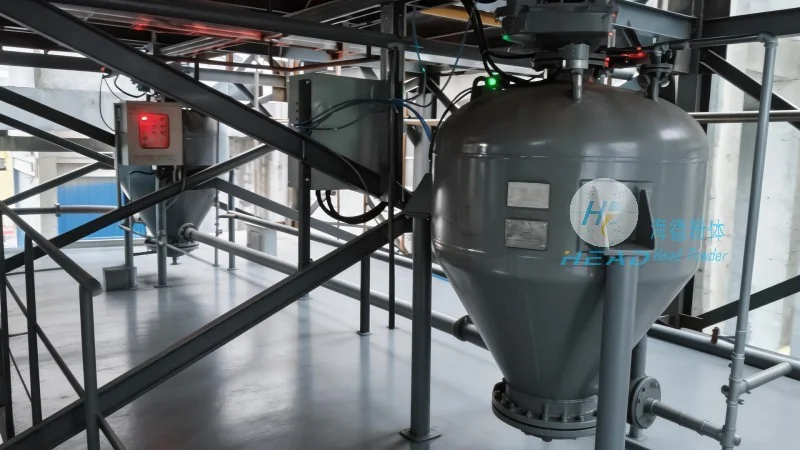
4. Vibrating Conveyors
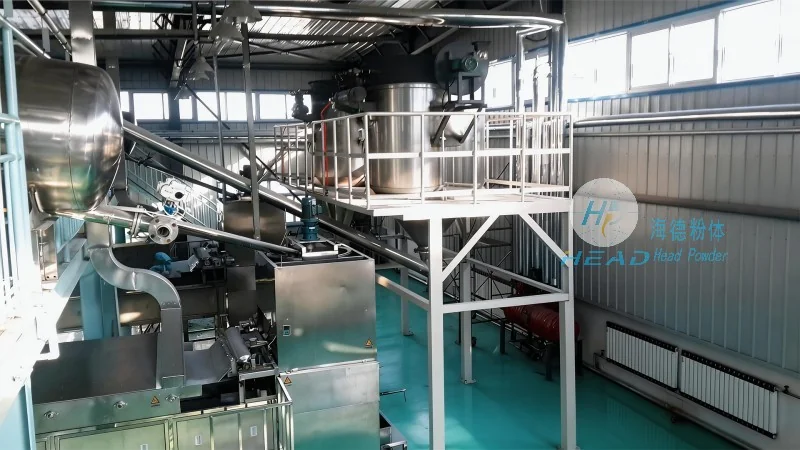
Vibrating conveyors use mechanical vibrations to move alloy powders along a trough or conveyor bed. These systems consist of a conveyor trough that is mounted on a vibrating mechanism, which causes the powder to move forward due to the vibration. Vibrating conveyors are particularly effective for handling cohesive or sticky powders, as the vibrations help to break up clumps and prevent material buildup. They are also suitable for transporting materials with high moisture content or those that are prone to caking. The main advantage of vibrating conveyors is their ability to handle a wide range of materials, including those that are difficult to transport with other methods. However, they may not be as efficient for very fine powders, as the vibrations can cause the material to become airborne and cause dust issues. To mitigate this, Shandong HeadPowder Engineering Co., Ltd. provides vibrating conveyors with dust collection systems and adjustable vibration frequencies to ensure safe and efficient operation.
5. Hydraulic Conveying
Hydraulic conveying is a less common but effective method for transporting alloy powders, especially in applications where other methods are not suitable. This system uses a liquid medium, typically water or a specialized fluid, to transport the powder through a pipeline. The liquid is pumped through the system, carrying the powder along with it. Hydraulic conveying is particularly useful for handling abrasive or corrosive alloys, as the liquid medium helps to protect the pipeline and reduce wear. However, this method requires careful control of the fluid pressure and temperature to prevent material degradation or clogging. The main advantage of hydraulic conveying is its ability to handle very fine powders and high volumes of material, making it suitable for large-scale industrial operations. Shandong HeadPowder Engineering Co., Ltd. offers hydraulic conveying systems that are designed to handle various alloy powders, with features such as adjustable fluid flow rates and temperature controls to ensure optimal performance.

 Shandong Headpowder Engineering Co., Ltd.
 156-6277-7102(Quản lý Trương)
  0531-83386006
  Thành phố Tế Nam, Tỉnh Sơn Đông, Trung Quốc
Điện thoại
WeChatTư vấn
Lên đầu