Với hơn 10 năm kinh nghiệm về vận chuyển khí nén, Headpowder Sơn Đông cung cấp hệ thống, thiết bị và quạt gió toàn chuỗi, đảm nhận các dự án kỹ thuật bột trọn gói trên toàn quốc.
When it comes to the efficient and reliable transportation of stabilizer powder, selecting the right conveying method is crucial for industrial operations. The choice of method depends on various factors including the powder's properties, production scale, and the specific requirements of the application. This article explores several effective approaches for stabilizer powder conveying, highlighting the capabilities and considerations of each option.
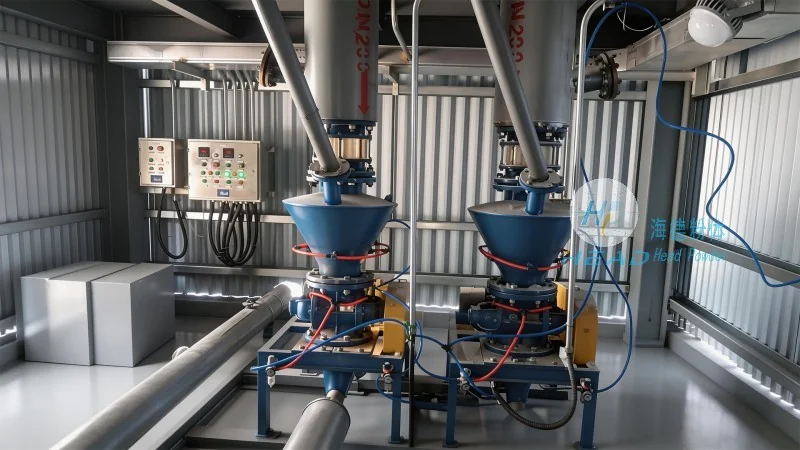
Introduction to Stabilizer Powder Conveying
Stabilizer powders are essential in many industrial processes, such as in the production of plastics, rubber, and other materials. These powders require careful handling to maintain their quality and prevent issues like caking or segregation. Conveying systems must be designed to handle these materials without compromising their integrity. The following methods are commonly used for stabilizer powder transportation, each with its own advantages and suitable applications.
1. Screw Conveyors for Stabilizer Powder
Screw conveyors, also known as auger conveyors, are widely used for stabilizer powder handling due to their simplicity and effectiveness. These systems consist of a rotating helical screw inside a tube or trough, which moves the powder from one point to another through gravity or mechanical force. Screw conveyors are particularly suitable for horizontal or slightly inclined transport of bulk materials. They are easy to install, maintain, and can handle a wide range of powder types, including those with varying moisture content. The smooth operation of screw conveyors helps minimize product degradation and ensures consistent flow rates, making them a popular choice in many industries.
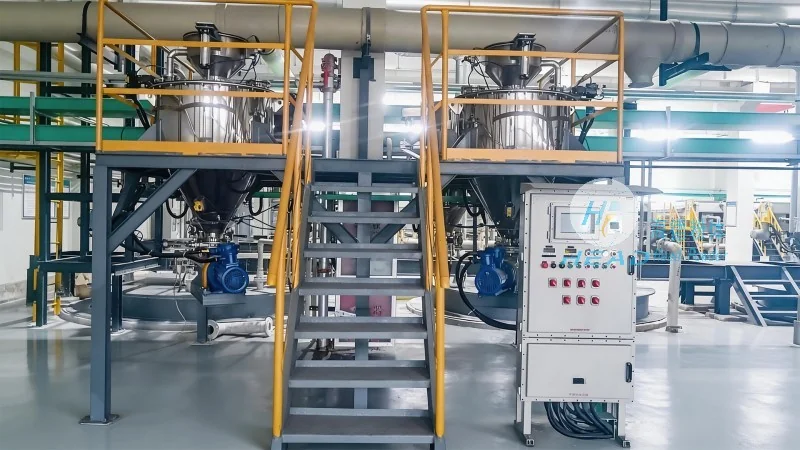
2. Pneumatic Conveying Systems
Pneumatic conveying, or air-based transport, is another effective method for stabilizer powder. This technique uses compressed air to move the powder through a pipeline. There are two main types: dilute-phase and dense-phase systems. Dilute-phase systems are suitable for long-distance transport and high-volume applications, as they use a higher air-to-powder ratio, resulting in faster and more efficient movement. Dense-phase systems, on the other hand, use a lower air-to-powder ratio, which is ideal for transporting sensitive materials that require gentle handling. Pneumatic conveying systems are advantageous because they can handle powders with high moisture content and can be integrated with other processing equipment, such as mixers and reactors. However, they require proper air filtration and pressure control to prevent material loss and ensure system efficiency.
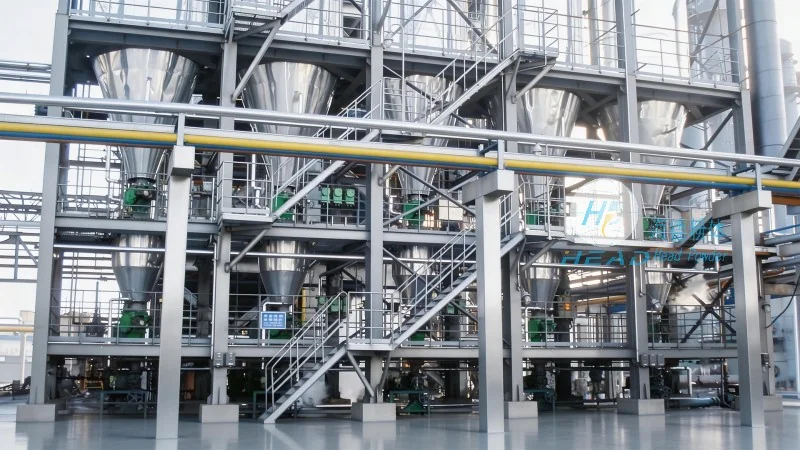
3. Belt Conveyors in Stabilizer Powder Handling
Belt conveyors are commonly used for the horizontal and inclined transport of stabilizer powders, especially in large-scale production facilities. These systems consist of a continuous belt that moves the material along a path, supported by rollers or idlers. Belt conveyors are capable of handling high volumes of material and can be designed to transport powders over long distances. They are particularly effective for materials that are prone to segregation or require gentle handling. The use of belt conveyors allows for consistent and reliable transport, with minimal product degradation. However, they may require more space and maintenance compared to other methods, and the design must consider factors like belt tension and material friction to prevent slippage or damage.
4. Bucket Elevators for Vertical Transport
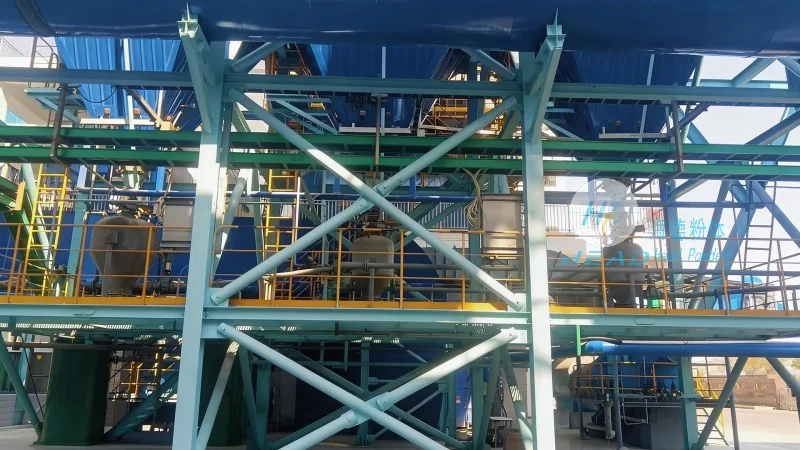
For vertical transport of stabilizer powders, bucket elevators are a reliable option. These systems use a series of buckets attached to a belt or chain that moves vertically, lifting the powder from a lower to a higher level. Bucket elevators are ideal for applications where the material needs to be elevated to a significant height, such as in storage silos or processing plants. They are capable of handling a wide range of powder types and can operate at high speeds, ensuring efficient material movement. The design of bucket elevators includes features like sealing and lubrication to prevent material spillage and ensure smooth operation. This method is particularly useful when space is limited and vertical transport is necessary, making it a versatile choice for stabilizer powder handling.
5. Combined Conveying Systems
In many industrial settings, a single conveying method may not be sufficient to meet all the requirements. Therefore, combined systems that integrate multiple technologies are often used for stabilizer powder transport. For example, a screw conveyor might be used for initial transport, followed by a pneumatic system for final delivery to a processing unit. Such hybrid systems allow for flexibility and optimization of the conveying process. The choice of a combined system depends on the specific production flow and the need to handle different powder characteristics. By combining the strengths of various methods, these systems can achieve higher efficiency, reduce energy consumption, and improve overall operational performance.
Conclusion
Choosing the right method for stabilizer powder conveying is essential for maintaining product quality and ensuring smooth industrial operations. Each method has its own advantages and limitations, and the selection should be based on the specific needs of the application. Whether using screw conveyors, pneumatic systems, belt conveyors, or bucket elevators, or a combination of these, the goal is to achieve efficient, reliable, and cost-effective transport of stabilizer powders. By understanding the properties of the powder and the requirements of the process, industrial operators can select the most suitable conveying method to enhance productivity and maintain product integrity.

 Shandong Headpowder Engineering Co., Ltd.
 156-6277-7102(Quản lý Trương)
  0531-83386006
  Thành phố Tế Nam, Tỉnh Sơn Đông, Trung Quốc
Điện thoại
WeChatTư vấn
Lên đầu