Với hơn 10 năm kinh nghiệm về vận chuyển khí nén, Headpowder Sơn Đông cung cấp hệ thống, thiết bị và quạt gió toàn chuỗi, đảm nhận các dự án kỹ thuật bột trọn gói trên toàn quốc.
Coffee processing is a complex process that involves multiple stages, from roasting to packaging. Efficient material handling is a critical component of this process, as it directly impacts product quality, operational efficiency, and overall cost. The choice of coffee conveying method plays a pivotal role in ensuring that coffee beans and ground coffee are transported safely and effectively throughout the production line. In this article, we delve into the various coffee conveying methods used in the industry, exploring their mechanisms, applications, and benefits. We also highlight how Shandong HeadPowder Engineering Co., Ltd., commonly known as HeadPowder, provides tailored solutions to meet the specific needs of coffee processing facilities.
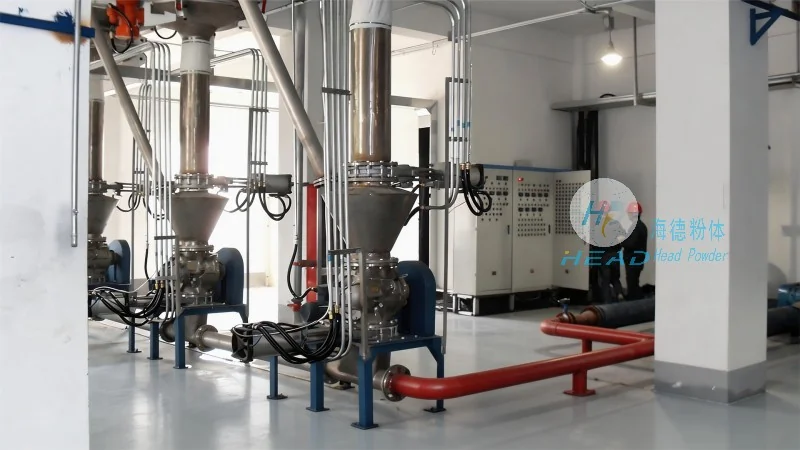
1. Gravity Conveying Systems: The Simple and Cost-Effective Option
Gravity conveying systems utilize the natural force of gravity to move coffee materials from one location to another. This method is based on the principle that materials with a higher density will flow downward when placed on a sloped surface. In coffee processing, gravity chutes or sloped conveyors are commonly used to transfer whole coffee beans or ground coffee between processing stages. For example, after roasting, coffee beans may be moved from the roaster to a cooling tray using a gravity chute, allowing the beans to slide down a slight incline without the need for mechanical power. This approach is particularly advantageous for short-distance transfers and when the product is free-flowing and non-abrasive. Gravity systems are simple to install, require minimal maintenance, and have low operational costs. However, they are limited by the need for a suitable elevation difference and are not suitable for vertical or long-distance transfers without additional mechanical assistance. HeadPowder offers customized gravity chutes designed to minimize bean breakage and ensure a smooth flow, enhancing the product's quality and reducing waste.
2. Mechanical Conveying Systems: Versatility and Control
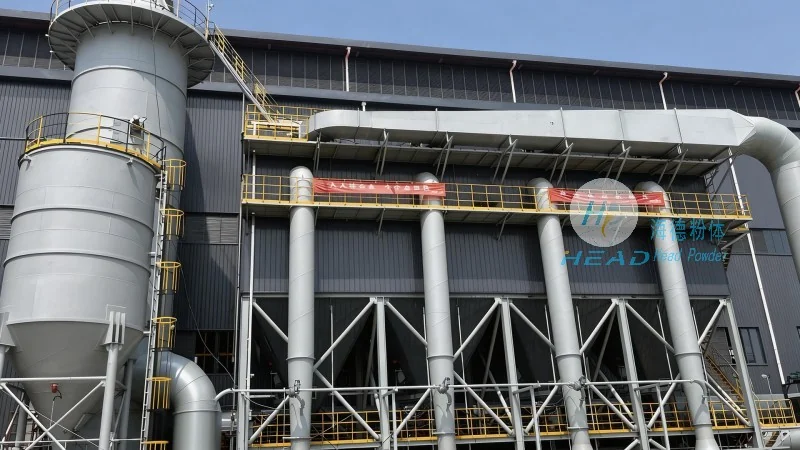
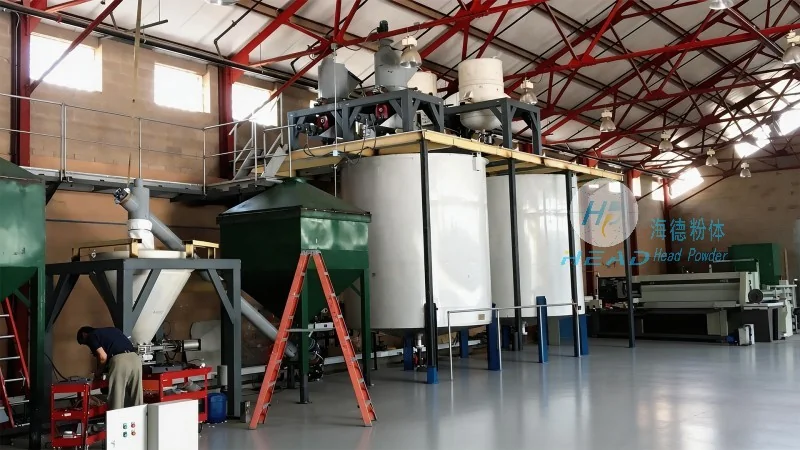
Mechanical conveying systems employ mechanical components to transport coffee, offering greater control and adaptability compared to gravity methods. The two most prevalent types are belt conveyors and screw (auger) conveyors. Belt conveyors consist of a continuous belt that moves over rollers or pulleys, capable of handling both bulk and packaged coffee. They are widely used in coffee packaging lines, where they transport coffee bags or containers from one station to another. Belt conveyors can be adjusted for speed and direction, making them suitable for high-speed operations. For instance, in a large-scale coffee roasting plant, belt conveyors may be used to move roasted beans from the roaster to a packaging machine, ensuring a continuous flow. Screw conveyors, on the other hand, use a rotating screw to push material forward. They are ideal for handling fine powders, such as ground coffee, and can operate in vertical or horizontal orientations. Screw conveyors are often used to transport ground coffee from a grinding machine to a storage silo or packaging line. Both belt and screw conveyors provide reliable performance and can handle high volumes, making them essential in modern coffee processing facilities. HeadPowder specializes in designing and manufacturing mechanical conveyors that meet the specific requirements of coffee producers, ensuring durability and efficiency.
3. Pneumatic Conveying Systems: Flexibility and Dust Control
Pneumatic conveying systems use compressed air to transport coffee through a sealed pipeline, offering high flexibility and the ability to move materials over long distances, including vertical or horizontal paths. There are two main categories: dilute-phase and dense-phase systems. Dilute-phase systems operate by suspending coffee particles in a high-velocity stream of air, suitable for short to medium distances and handling fine powders. This method is effective for transferring ground coffee from a grinding unit to a packaging machine. Dense-phase systems, in contrast, use lower air velocity and higher material concentration, making them ideal for transporting bulk materials like whole coffee beans over longer distances. Dense-phase systems are preferred when maintaining product integrity is critical, as they minimize particle degradation and reduce the risk of dust generation. Pneumatic systems excel in applications where dust control is essential, as the material is enclosed in a pipeline, preventing contamination and environmental issues. However, they require more energy and may have higher installation costs compared to other methods. HeadPowder provides advanced pneumatic conveying solutions, including both dilute and dense-phase systems, tailored to the specific needs of coffee processing facilities. Their systems are designed to ensure efficient material transport while maintaining the quality and flavor of the coffee.

 Shandong Headpowder Engineering Co., Ltd.
 156-6277-7102(Quản lý Trương)
  0531-83386006
  Thành phố Tế Nam, Tỉnh Sơn Đông, Trung Quốc
Điện thoại
WeChatTư vấn
Lên đầu