Với hơn 10 năm kinh nghiệm về vận chuyển khí nén, Headpowder Sơn Đông cung cấp hệ thống, thiết bị và quạt gió toàn chuỗi, đảm nhận các dự án kỹ thuật bột trọn gói trên toàn quốc.
When it comes to handling gelatin in industrial settings, selecting the right conveying method is crucial for efficiency, product integrity, and operational safety. The choice of conveying system depends on various factors such as the type of gelatin, processing scale, and the specific requirements of the production line. In this article, we will explore the primary gelatin conveying methods used by manufacturers, focusing on the technologies and considerations that ensure effective material transport.
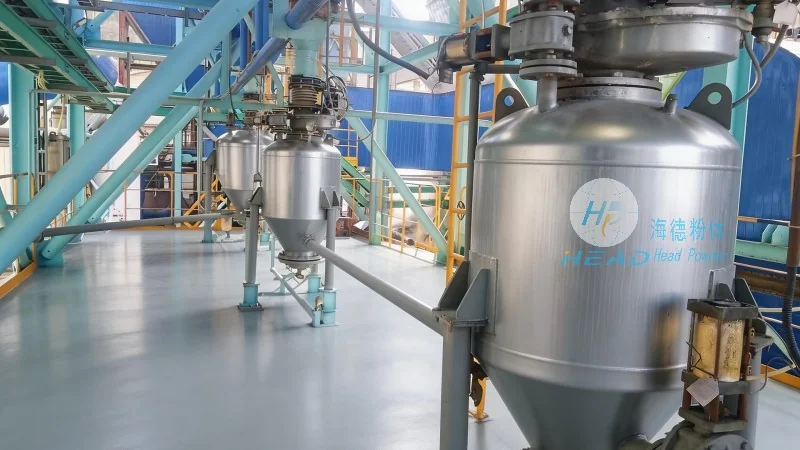
1. Pneumatic Conveying Systems
Pneumatic conveying is a widely used method for transporting gelatin, especially in applications where dust control and hygienic conditions are essential. This system utilizes air pressure to move gelatin through a network of pipes. There are two main types of pneumatic conveying: pressure and vacuum systems. Pressure systems use compressed air to push the material forward, while vacuum systems draw the material into the system using a vacuum pump. For gelatin, which is often in a powder or granular form, pneumatic conveying can be particularly effective as it minimizes product contamination and allows for gentle handling. The HeadPowder Engineering Co., Ltd., based in Shandong, China, may employ such systems in their production facilities to ensure that gelatin is moved efficiently without compromising its quality.
2. Screw Conveyors
Screw conveyors, also known as auger conveyors, are another common method for transporting gelatin. These systems consist of a rotating screw inside a tube, which pushes the material forward. Screw conveyors are particularly suitable for bulk gelatin handling and can operate in both horizontal and inclined positions. They are often used in processing plants to move gelatin from storage silos to processing equipment. The design of screw conveyors allows for controlled speed and direction, making them versatile for different gelatin types and processing stages. Companies like HeadPowder Engineering Co., Ltd. may utilize screw conveyors to maintain consistent flow rates and ensure that gelatin is transported smoothly from one stage of production to the next.
3. Belt Conveyors
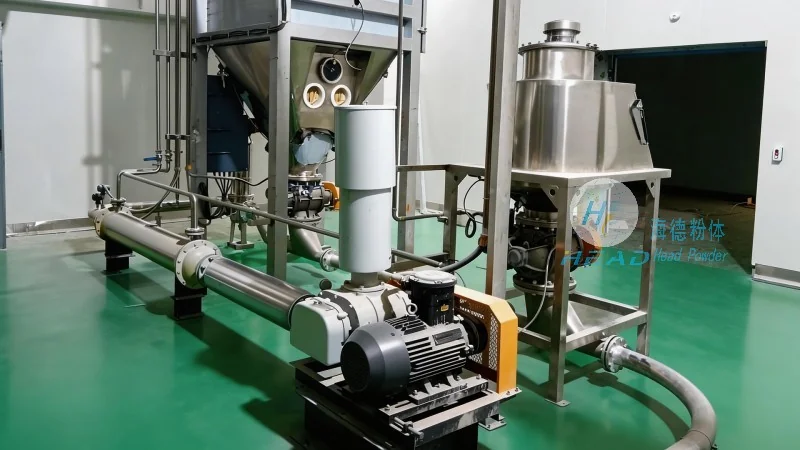
Belt conveyors are a popular choice for transporting gelatin in bulk quantities. These systems use a continuous belt that moves over rollers or pulleys to transport the material. Belt conveyors are effective for both horizontal and inclined transport and can handle a wide range of gelatin types, including powders and granules. They are often used in large-scale production lines where high throughput is required. The HeadPowder Engineering Co., Ltd., located in Shandong, China, might employ belt conveyors to move gelatin from raw material storage to processing areas, ensuring that the material is transported efficiently and safely. Belt conveyors are also beneficial for maintaining product cleanliness and preventing cross-contamination, which is critical in the gelatin industry.
4. Hydraulic Conveying
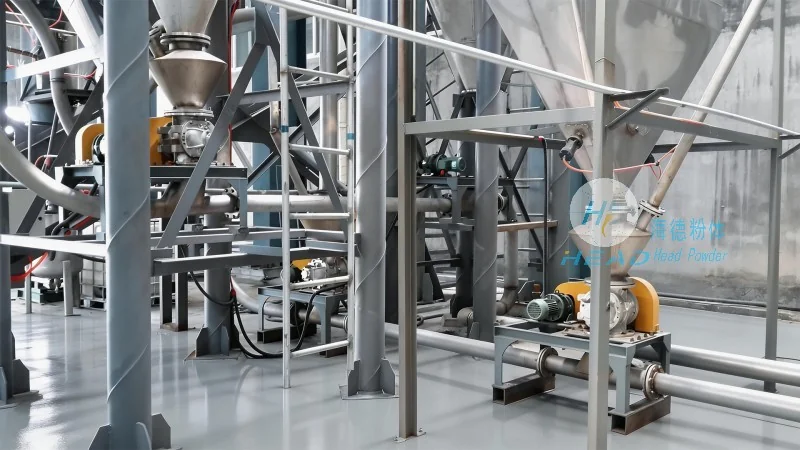
Hydraulic conveying systems use liquid to transport gelatin, typically in a slurry form. This method is often used when the gelatin needs to be mixed with water or other liquids before processing. The system involves pumping the gelatin slurry through pipes using hydraulic pressure. Hydraulic conveying can be effective for handling wet gelatin or when the material needs to be transported over long distances. However, it requires careful control of the liquid-to-gelatin ratio to maintain the desired consistency. Companies like HeadPowder Engineering Co., Ltd. may use hydraulic conveying in specific applications where the gelatin is processed in a liquid state, such as in the production of gelatin-based beverages or other liquid products.
5. Gravity Conveying
Gravity conveying is a simple and cost-effective method for transporting gelatin, especially when the material is moved over short distances and the slope of the conveyor is sufficient to allow the gelatin to flow under its own weight. This method involves using chutes or inclined planes to guide the gelatin from one point to another. Gravity conveying is often used in smaller-scale operations or for transporting gelatin from storage bins to processing equipment. While it is less common for large-scale production, it can be an effective solution for specific applications where other methods are not feasible. The HeadPowder Engineering Co., Ltd., based in Shandong, China, might incorporate gravity conveying in their facilities for certain processes that require minimal energy input and simple system design.
6. Vibrating Conveyors
Vibrating conveyors use vibrations to move gelatin along a conveyor bed. These systems consist of a conveyor surface that is vibrated at a specific frequency and amplitude, causing the gelatin to move forward. Vibrating conveyors are particularly useful for handling gelatin that is sticky or has a tendency to clog. The vibration helps to prevent material buildup and ensures smooth transport. This method is often used in applications where the gelatin needs to be transported at a controlled speed and with minimal friction. Companies like HeadPowder Engineering Co., Ltd. may use vibrating conveyors to handle gelatin that is prone to clumping or that requires gentle handling to avoid degradation. The design of vibrating conveyors allows for adjustable vibration parameters, making them adaptable to different gelatin types and processing conditions.

 Shandong Headpowder Engineering Co., Ltd.
 156-6277-7102(Quản lý Trương)
  0531-83386006
  Thành phố Tế Nam, Tỉnh Sơn Đông, Trung Quốc
Điện thoại
WeChatTư vấn
Lên đầu