Với hơn 10 năm kinh nghiệm về vận chuyển khí nén, Headpowder Sơn Đông cung cấp hệ thống, thiết bị và quạt gió toàn chuỗi, đảm nhận các dự án kỹ thuật bột trọn gói trên toàn quốc.
Millet, a staple grain in many agricultural regions, requires efficient handling and transportation from storage to processing or distribution. The choice of conveying method is critical for maintaining grain quality, minimizing losses, and ensuring smooth operational workflow. Various technologies are available for millet conveying, each tailored to specific operational needs and characteristics of the grain. Understanding these methods helps businesses select the most suitable solution for their millet handling requirements.
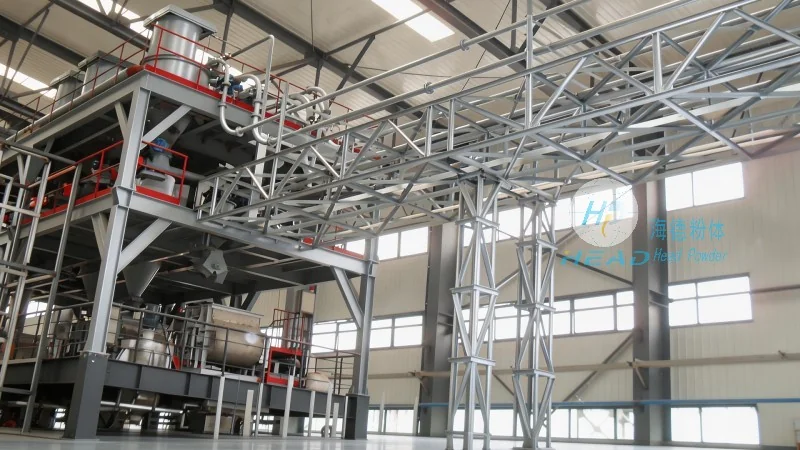
Key Conveying Equipment for Millet Handling
HeadPowder Engineering Co., Ltd., a leading provider of grain handling solutions, specializes in equipment designed for effective millet movement. The primary methods include screw conveyors, pneumatic conveyors, and belt conveyors, each offering distinct advantages for different applications. Below is a detailed exploration of these systems and how they contribute to efficient millet transportation.
Screw Conveyors in Millet Conveying
Screw conveyors, also known as auger conveyors, are widely used for millet due to their simplicity and reliability. These systems feature a rotating helical screw inside a tube or trough, which moves the grain forward through rotation. For millet, screw conveyors are ideal for short to medium distances and when the grain is dry and free-flowing. They are commonly employed to transfer millet from storage bins to processing lines or to feed other equipment. The gentle handling of screw conveyors minimizes grain breakage or damage, preserving quality. HeadPowder Engineering’s screw conveyors are constructed with durable materials, ensuring long-term performance and low maintenance requirements.
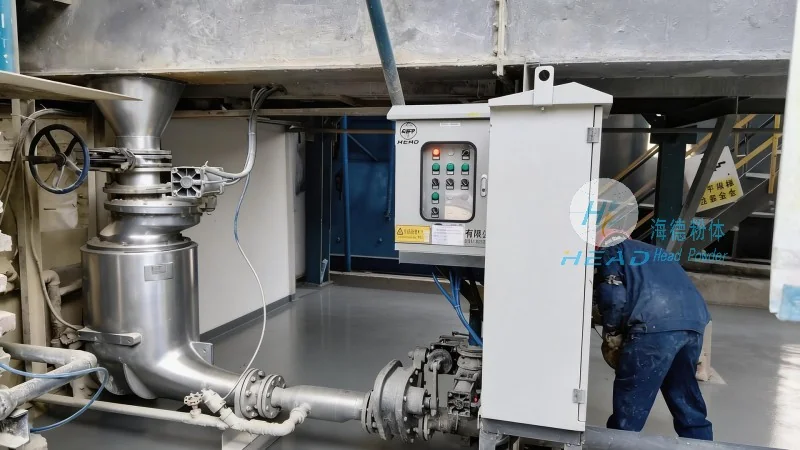
Pneumatic Conveying Systems for Millet
Pneumatic conveying, or air-based systems, utilize air pressure to transport millet through a closed pipeline. This method is highly effective for long-distance conveying and for maintaining a controlled environment, reducing dust and contamination. Pneumatic systems are categorized into pressure (compressed air pushing the grain) and vacuum (air drawing the grain) types. For millet, which can be dusty and prone to segregation, pneumatic conveyors provide a clean and efficient solution. They are frequently used in processing plants to move millet from storage to milling or packaging areas. HeadPowder Engineering’s pneumatic systems are equipped with high-efficiency air fans and robust filtration, ensuring optimal performance and grain quality.
Belt Conveyors for Millet Transportation
Belt conveyors are another versatile option for millet transportation, especially for longer distances or larger volumes. These systems consist of a continuous belt moving over rollers or idlers, carrying the millet from one location to another. Belt conveyors are suitable for a wide range of grain types, including millet, with minimal degradation. They are often used in bulk handling operations, such as moving millet from a warehouse to a loading dock or between processing stages. HeadPowder Engineering’s belt conveyor systems feature heavy-duty belts and adjustable speed controls, allowing precise control over the conveying process and efficient millet movement.
Factors Influencing Millet Conveying Method Selection
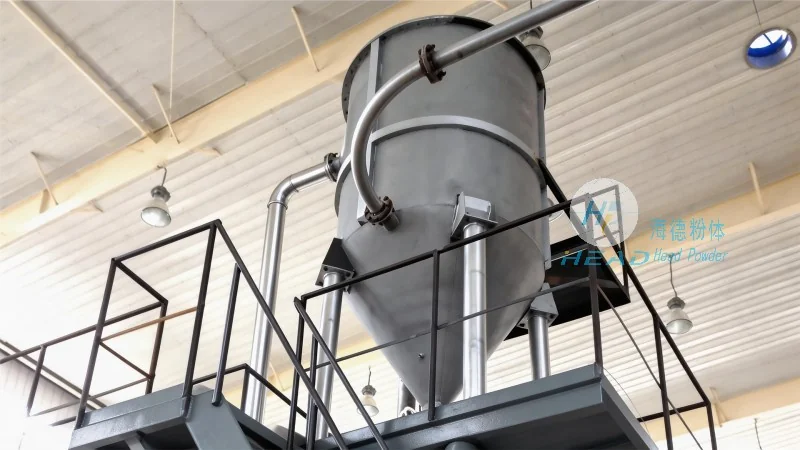
When choosing a millet conveying method, several factors must be considered to ensure the best fit for the operation. These include the volume of millet to be moved, the distance it needs to travel, the grain’s physical characteristics (such as moisture content and size), and available facility space. Cost of equipment and maintenance is also a critical factor. For instance, screw conveyors may be more cost-effective for short distances and smaller volumes, while pneumatic systems are better suited for longer distances and higher volumes. Additionally, the need for dust control and grain quality preservation should guide the selection. HeadPowder Engineering offers expert consultation to help clients evaluate these factors and select the most appropriate millet conveying solution.
Conclusion
Millet conveying is a vital component of grain handling, and selecting the right method is essential for operational efficiency and grain quality. From screw conveyors to pneumatic systems and belt conveyors, each technology provides unique benefits tailored to specific needs. HeadPowder Engineering, with its comprehensive range of grain handling equipment, supports agricultural and processing businesses in implementing effective millet conveying solutions. By understanding the applications and advantages of each method, businesses can optimize their operations and ensure smooth, reliable movement of millet from storage to processing or distribution.

 Shandong Headpowder Engineering Co., Ltd.
 156-6277-7102(Quản lý Trương)
  0531-83386006
  Thành phố Tế Nam, Tỉnh Sơn Đông, Trung Quốc
Điện thoại
WeChatTư vấn
Lên đầu