Với hơn 10 năm kinh nghiệm về vận chuyển khí nén, Headpowder Sơn Đông cung cấp hệ thống, thiết bị và quạt gió toàn chuỗi, đảm nhận các dự án kỹ thuật bột trọn gói trên toàn quốc.
When it comes to managing the transportation of crystalline materials in industrial processes, selecting the appropriate pneumatic conveying system is crucial for efficiency, safety, and cost-effectiveness. The right system can significantly enhance production flow, reduce downtime, and ensure the integrity of the crystals being handled. This article will guide you through the key considerations and factors to evaluate when choosing a pneumatic conveying system for your crystal handling operations.
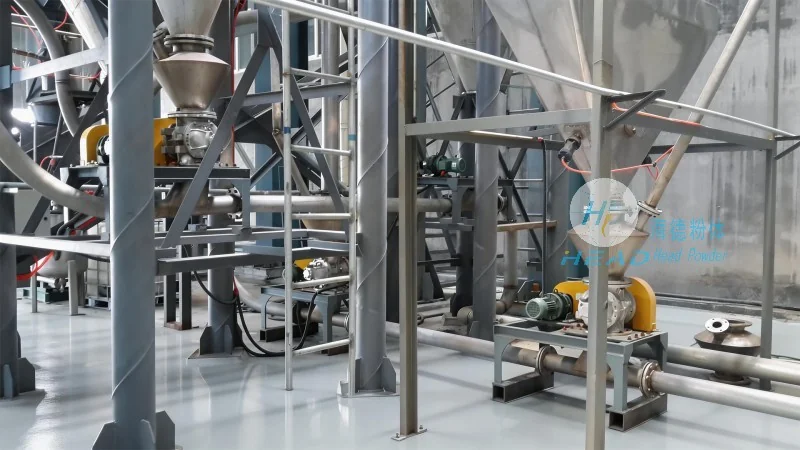
Understanding the Importance of Pneumatic Conveying for Crystals
Crystalline materials, such as pharmaceutical powders, chemical compounds, or food-grade ingredients, often require specialized handling due to their delicate nature and potential for dust generation. Traditional methods like bucket elevators or belt conveyors may not be suitable for these materials as they can cause product degradation, contamination, or increased maintenance costs. Pneumatic conveying systems offer a solution by transporting materials in a closed, controlled environment, minimizing exposure to external factors and preserving product quality.
Types of Pneumatic Conveying Systems for Crystal Handling
There are several types of pneumatic conveying systems available, each with distinct characteristics and applications. The most common types include:
Positive Pressure Systems: These systems use a blower or compressor to generate positive pressure, pushing the material through the system. They are ideal for short to medium distances and are suitable for materials that are not highly abrasive or corrosive.
Negative Pressure (Vacuum) Systems: In these systems, a vacuum is created to draw the material into the system. They are commonly used for long-distance transport and for handling materials that are sensitive to pressure changes or require gentle handling.
Combination Systems: These systems integrate both positive and negative pressure components, offering flexibility for complex material handling routes. They can be adapted to various process requirements and material characteristics.
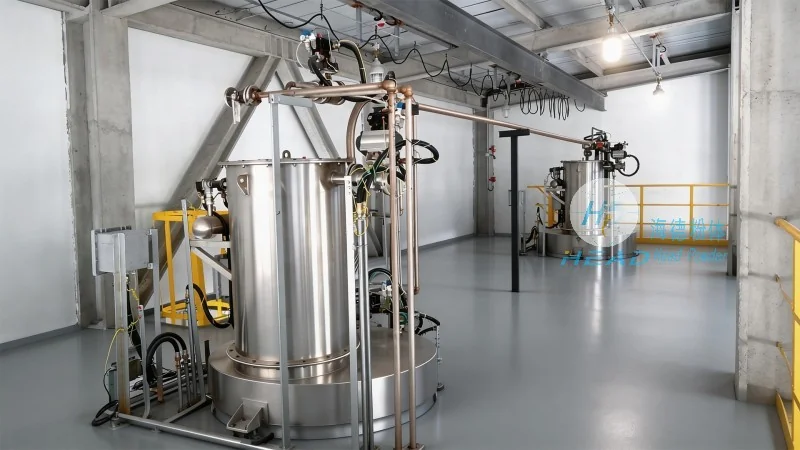
Key Factors to Consider When Selecting a Pneumatic Conveying System
Choosing the right pneumatic conveying system involves evaluating several critical factors to ensure optimal performance and compatibility with your specific crystal handling process. The following aspects should be carefully considered:
1. Material Properties and Characteristics
The physical and chemical properties of the crystalline material are paramount. Factors such as particle size, density, moisture content, and flowability will influence the choice of system. For example, fine, powdery crystals may require a system with higher air velocity to prevent clogging, while larger, denser crystals might benefit from a system with higher pressure or a different conveying method.
2. Process Requirements and Distance
The distance over which the material needs to be transported and the overall process flow requirements will dictate the system type. Short-distance applications may use simple positive pressure systems, while long-distance or multi-stage processes may require more complex systems with multiple stages or combination methods.
3. System Capacity and Throughput
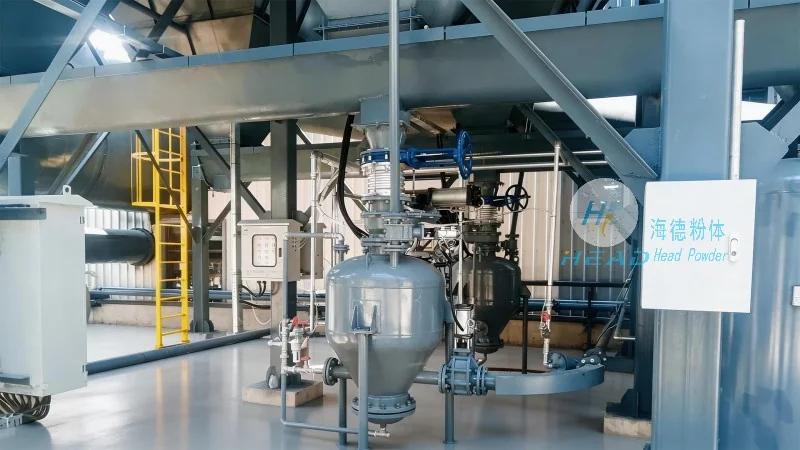
Ensuring the system can handle the required throughput is essential to avoid bottlenecks and maintain production efficiency. The capacity of the conveying system should be matched to the production rate and the volume of material to be transported.
4. Environmental and Safety Considerations
Crystalline materials often pose health and safety risks due to dust generation. Pneumatic conveying systems can be designed with dust collection and filtration systems to minimize exposure and comply with environmental regulations. Additionally, the system should be constructed from materials that are compatible with the chemical properties of the crystals to prevent corrosion or contamination.
HeadPowder: Your Partner in Crystal Handling Solutions
Shandong HeadPowder Engineering Co., Ltd. is a leading provider of specialized engineering solutions for the handling and transportation of crystalline materials. With years of experience in the industry, HeadPowder understands the unique challenges associated with crystal handling and offers tailored pneumatic conveying systems that meet the specific needs of each client.
Our team of experts works closely with clients to assess their process requirements, material characteristics, and operational constraints. By leveraging advanced technology and engineering expertise, we design and implement pneumatic conveying systems that enhance efficiency, reduce costs, and ensure product quality. Whether you need a simple positive pressure system for short-distance transport or a complex combination system for multi-stage processes, HeadPowder provides comprehensive solutions that are customized to your unique needs.
HeadPowder is committed to delivering high-quality, reliable equipment and services that meet the highest industry standards. Our systems are built to withstand the demands of industrial environments and are backed by robust after-sales support to ensure long-term performance and customer satisfaction.

 Shandong Headpowder Engineering Co., Ltd.
 156-6277-7102(Quản lý Trương)
  0531-83386006
  Thành phố Tế Nam, Tỉnh Sơn Đông, Trung Quốc
Điện thoại
WeChatTư vấn
Lên đầu