Với hơn 10 năm kinh nghiệm về vận chuyển khí nén, Headpowder Sơn Đông cung cấp hệ thống, thiết bị và quạt gió toàn chuỗi, đảm nhận các dự án kỹ thuật bột trọn gói trên toàn quốc.
When it comes to the efficient handling and transportation of titanium dioxide, selecting the right conveying method is crucial for industrial operations. As a leading provider in the field, Shandong HeadPowder Engineering Co., Ltd. specializes in offering reliable solutions tailored to meet diverse industrial needs. This article explores the common methods used for titanium dioxide conveying, highlighting their applications, advantages, and practical considerations.
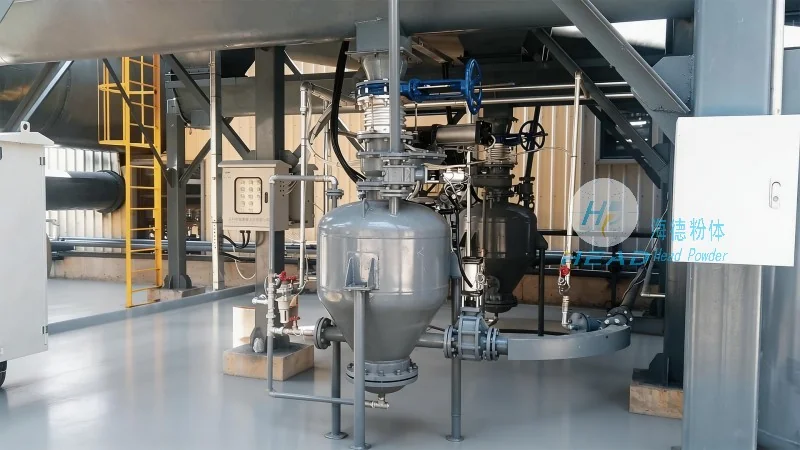
Understanding Titanium Dioxide and Conveying Requirements
Titanium dioxide, a widely used white pigment and sunscreen agent, is often handled in bulk quantities in industrial settings. The material's fine particle size and high bulk density require specialized conveying systems to ensure safety, efficiency, and minimal product degradation. Proper selection of a conveying method depends on factors such as material characteristics, plant layout, production scale, and environmental regulations. Shandong HeadPowder Engineering Co., Ltd. recognizes these challenges and designs systems that optimize performance while adhering to industry standards.
Common Conveying Methods for Titanium Dioxide
Several methods are commonly employed for the transportation of titanium dioxide, each with its own set of advantages and suitable applications. The choice of method often depends on the specific operational conditions and the desired level of automation. Below are some of the most prevalent approaches used in industrial settings:
1. Screw Conveyors
Screw conveyors, also known as auger conveyors, are among the most widely used equipment for handling bulk materials, including titanium dioxide. These systems consist of a rotating helical screw blade inside a U-shaped or tubular housing. As the screw rotates, it moves the material forward through the housing, providing a continuous and controlled flow. Screw conveyors are particularly effective for horizontal or slightly inclined transport, making them suitable for short to medium distances. They are also capable of handling materials with varying moisture content and can be easily integrated into existing processing lines. Shandong HeadPowder Engineering Co., Ltd. offers customized screw conveyor designs that ensure smooth operation and minimal product attrition, which is critical for maintaining the quality of titanium dioxide.
2. Pneumatic Conveying Systems
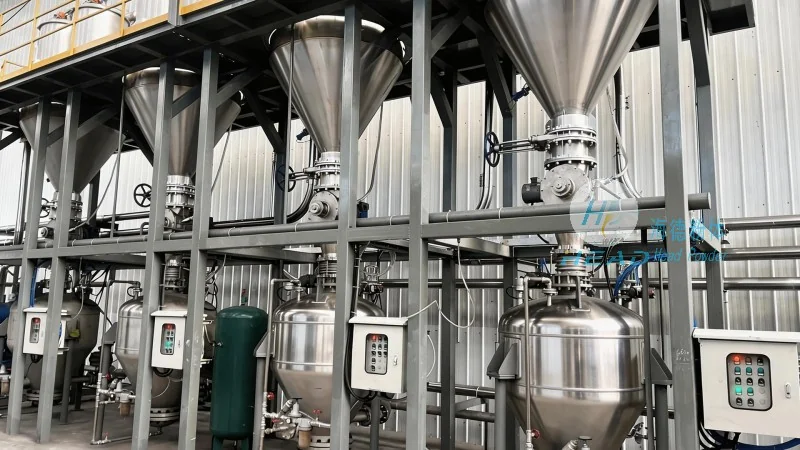
Pneumatic conveying systems utilize air or other gases to transport materials through a pipeline network. This method is particularly advantageous for handling fine powders like titanium dioxide, as it eliminates the need for mechanical components in the conveying path. There are two main types of pneumatic conveying: pressure and vacuum systems. Pressure systems use compressed air to push the material forward, while vacuum systems use suction to draw the material into the pipeline. Pneumatic conveying offers high flexibility in terms of layout and can handle long distances with minimal maintenance. However, it requires careful control of air pressure and flow rates to prevent material degradation or blockages. Shandong HeadPowder Engineering Co., Ltd. specializes in designing efficient pneumatic systems that ensure consistent material flow and maintain the purity of titanium dioxide throughout the conveying process.
3. Belt Conveyors
Belt conveyors are another common method for transporting titanium dioxide, especially in applications requiring long-distance or heavy load transport. These systems consist of a continuous belt that moves over rollers or pulleys, carrying the material from one point to another. Belt conveyors are highly effective for horizontal and inclined transport, with the ability to handle large volumes of material. They are often used in conjunction with other equipment, such as hoppers and feeders, to form a complete material handling system. Shandong HeadPowder Engineering Co., Ltd. provides robust belt conveyor solutions that are designed for durability and low maintenance, ensuring reliable operation in demanding industrial environments.
4. Bucket Elevators
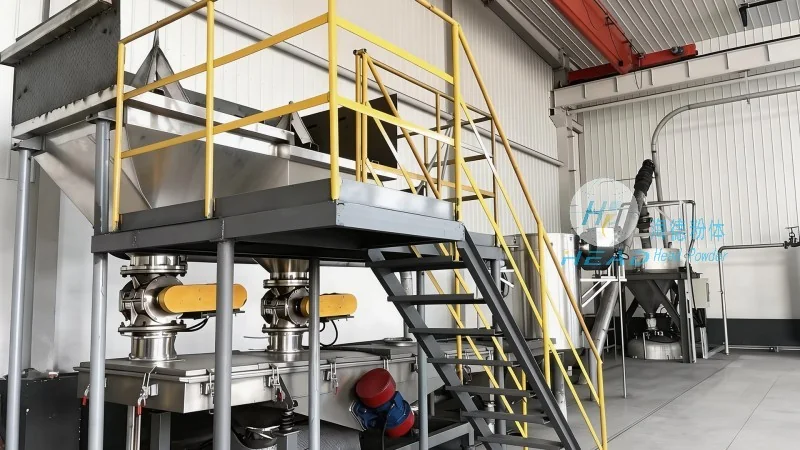
Bucket elevators are vertical or inclined conveyors that use a series of buckets attached to a chain or belt to lift and transport materials. This method is ideal for vertical or steeply inclined transport, allowing for efficient movement of titanium dioxide between different levels of a facility. Bucket elevators are capable of handling high volumes of material and can be integrated with other processing equipment, such as mixers and classifiers. They are particularly useful in applications where space is limited or where vertical transport is necessary. Shandong HeadPowder Engineering Co., Ltd. designs bucket elevators that ensure smooth and consistent material flow, minimizing the risk of product spillage or degradation.
5. Hydraulic Conveying
Hydraulic conveying systems use water or other liquids to transport materials through pipelines. This method is suitable for handling wet or slurry-like materials, though it can also be adapted for dry powders like titanium dioxide under certain conditions. Hydraulic conveyors are known for their ability to handle high volumes of material with minimal energy consumption. However, they require careful maintenance to prevent clogging and ensure consistent flow. Shandong HeadPowder Engineering Co., Ltd. offers hydraulic conveying solutions that are tailored to specific operational requirements, ensuring efficient and reliable transport of titanium dioxide.
Choosing the Right Conveying Method for Titanium Dioxide
Selecting the appropriate conveying method for titanium dioxide is a critical decision that impacts operational efficiency, product quality, and overall cost. Shandong HeadPowder Engineering Co., Ltd. recommends considering several factors when making this choice. First, the material's physical properties, such as particle size, bulk density, and moisture content, should be evaluated to determine the most suitable equipment. Second, the plant layout and available space must be taken into account to ensure the chosen system fits seamlessly into the existing infrastructure. Third, the required conveying distance and throughput must be considered to select a system that meets production demands. Finally, maintenance requirements and long-term operational costs should be evaluated to ensure the chosen method is sustainable and cost-effective.
Conclusion
Efficient titanium dioxide conveying is essential for maintaining productivity and product quality in industrial applications. Shandong HeadPowder Engineering Co., Ltd. provides a range of conveying solutions, including screw conveyors, pneumatic systems, belt conveyors, bucket elevators, and hydraulic conveyors, each designed to meet specific operational needs. By understanding the advantages and limitations of each method, industrial operators can select the most suitable conveying system for their titanium dioxide handling requirements. With a focus on quality, reliability, and customer satisfaction, Shandong HeadPowder Engineering Co., Ltd. continues to be a trusted partner in the material handling industry.

 Shandong Headpowder Engineering Co., Ltd.
 156-6277-7102(Quản lý Trương)
  0531-83386006
  Thành phố Tế Nam, Tỉnh Sơn Đông, Trung Quốc
Điện thoại
WeChatTư vấn
Lên đầu