Với hơn 10 năm kinh nghiệm về vận chuyển khí nén, Headpowder Sơn Đông cung cấp hệ thống, thiết bị và quạt gió toàn chuỗi, đảm nhận các dự án kỹ thuật bột trọn gói trên toàn quốc.
Shandong HeadPowder Engineering Co., Ltd. is a professional enterprise specializing in silicate transport solutions, headquartered in Shandong, China. The company focuses on providing efficient and reliable methods for transporting silicates, which are widely used in various industrial applications such as construction, ceramics, and chemical manufacturing. Understanding the common methods for silicate transport is crucial for industries to ensure safe, efficient, and cost-effective material handling.
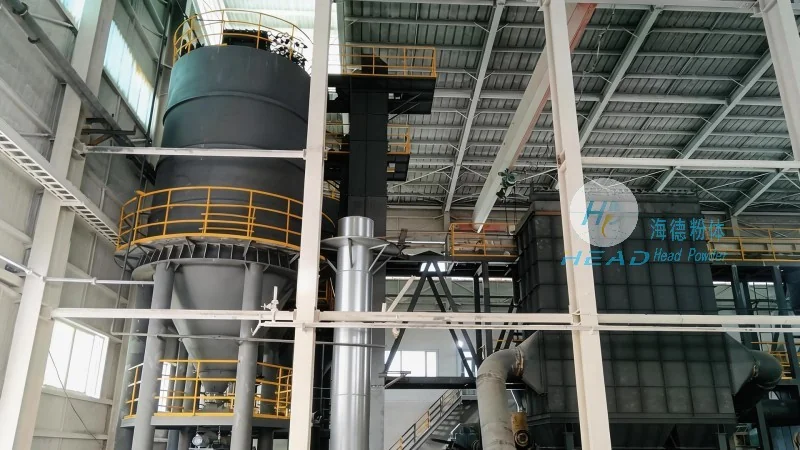
1. Piping Systems for Silicate Transport
Piping systems are one of the most common methods for transporting silicates. These systems typically consist of pipelines made from materials like stainless steel, PVC, or special alloys that can withstand the corrosive nature of silicate solutions. The design of the piping system includes components such as valves, pumps, and filters to control the flow and maintain the quality of the silicate. Piping systems are suitable for both short and long-distance transport, and they can be integrated with other industrial processes to enhance overall operational efficiency. The advantages of using piping systems include continuous flow, reduced labor costs, and the ability to handle large volumes of silicate. However, they require regular maintenance to prevent blockages and corrosion, and the initial installation cost can be high.
2. Pumping Systems for Silicate Transport
Pumping systems are essential for moving silicates from one location to another, especially when the material needs to be elevated or moved against gravity. There are several types of pumps used in silicate transport, including centrifugal pumps, positive displacement pumps, and diaphragm pumps. Centrifugal pumps are commonly used for transporting low to medium viscosity silicates due to their high flow rates and ability to handle large volumes. Positive displacement pumps, like gear pumps or piston pumps, are ideal for high viscosity or shear-sensitive silicates as they provide consistent pressure and flow. The choice of pump depends on the specific properties of the silicate, such as its viscosity, temperature, and corrosiveness. Proper maintenance of the pumps is crucial to ensure their longevity and performance, as silicates can cause wear and tear on pump components.
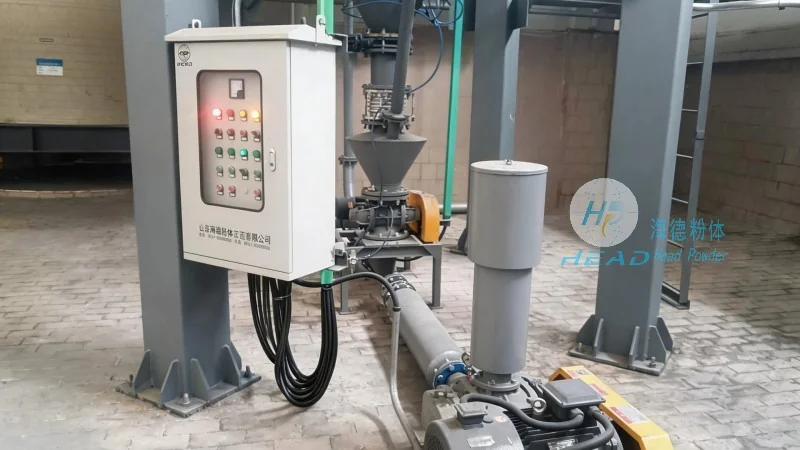
3. Truck Transportation for Silicate Transport
Truck transportation is another common method for transporting silicates, particularly for bulk quantities or when the destination is not connected by a pipeline network. Specialized trucks, often equipped with tankers or bulk containers, are used to transport silicates. The tankers are designed to prevent leakage and maintain the integrity of the silicate during transit. Truck transportation offers flexibility in terms of delivery locations and can be used for both local and long-distance transport. However, it is generally more expensive than pipeline transport and may have longer lead times. The safety of truck transportation is also a critical consideration, as silicates can be hazardous if not handled properly. Proper labeling, secure loading, and adherence to transportation regulations are essential to ensure safe delivery.
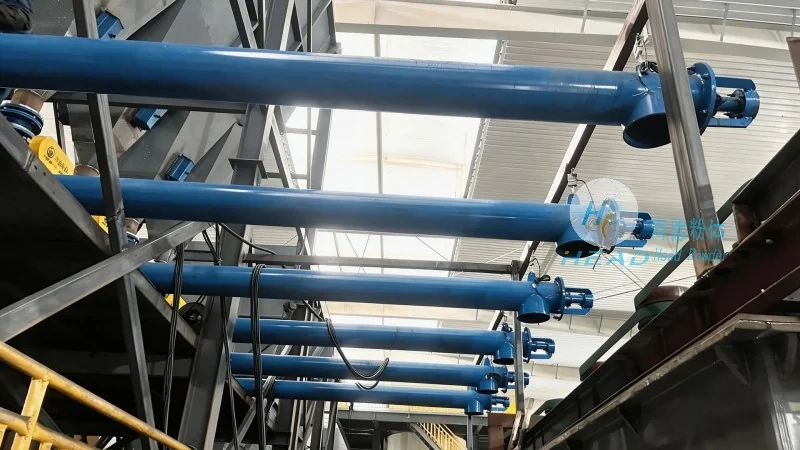
4. Bulk Handling and Storage Solutions
Bulk handling and storage solutions are often integrated with silicate transport systems to ensure smooth operations. These solutions include silos, hoppers, and storage tanks that are designed to store silicates before or after transport. Silos are commonly used for storing bulk silicates, providing a large capacity and easy access for loading and unloading. Hoppers are used to control the flow of silicates from storage to processing equipment, preventing blockages and ensuring consistent feed rates. The storage solutions must be compatible with the silicate's properties to prevent degradation or contamination. Proper maintenance of storage equipment is important to prevent material buildup and ensure the silicate remains in optimal condition.
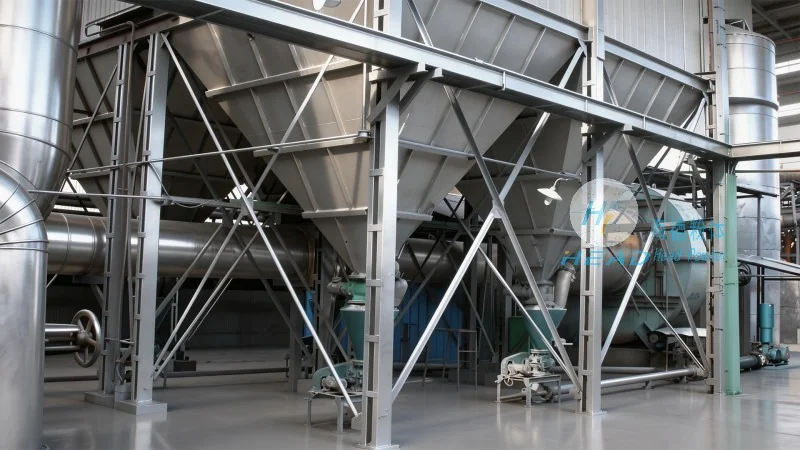
5. Integration of Automation and Control Systems
Modern silicate transport systems often incorporate automation and control systems to enhance efficiency and safety. These systems include sensors, control panels, and automated valves that monitor and regulate the flow of silicates. Sensors can detect changes in temperature, pressure, or flow rate, triggering alarms or adjustments to maintain optimal conditions. Control systems allow operators to manage the transport process remotely, reducing the need for manual intervention and minimizing the risk of human error. Automation also helps in maintaining consistent quality and reducing downtime. However, the implementation of these systems requires proper training and maintenance to ensure they function effectively.
Shandong HeadPowder Engineering Co., Ltd. specializes in providing comprehensive silicate transport solutions that combine these methods and technologies to meet the specific needs of their clients. By leveraging their expertise in material handling and industrial engineering, the company helps industries optimize their silicate transport processes, improve operational efficiency, and reduce costs. Whether through piping systems, pumping equipment, truck transportation, or advanced automation, HeadPowder offers tailored solutions that ensure safe and reliable transport of silicates in various industrial applications.

 Shandong Headpowder Engineering Co., Ltd.
 156-6277-7102(Quản lý Trương)
  0531-83386006
  Thành phố Tế Nam, Tỉnh Sơn Đông, Trung Quốc
Điện thoại
WeChatTư vấn
Lên đầu