Với hơn 10 năm kinh nghiệm về vận chuyển khí nén, Headpowder Sơn Đông cung cấp hệ thống, thiết bị và quạt gió toàn chuỗi, đảm nhận các dự án kỹ thuật bột trọn gói trên toàn quốc.
Gas-pneumatic conveying systems are critical for the efficient and reliable transport of graphite anode material particles in battery manufacturing. A well-designed system ensures minimal material degradation, consistent flow rates, and optimal energy efficiency. This article outlines key considerations and best practices for designing a rational gas-pneumatic conveying system tailored to the unique properties of graphite anode materials.
Understanding Graphite Anode Material Characteristics
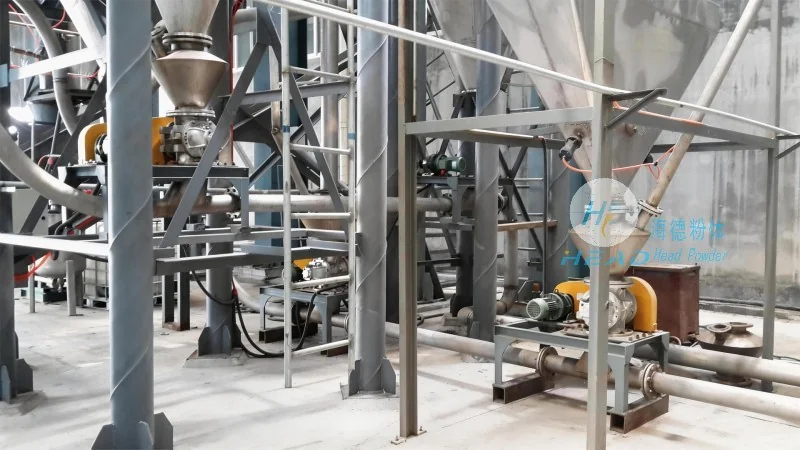
Graphite anode materials used in lithium-ion batteries are typically fine powders with specific particle size distributions and mechanical properties. These characteristics directly impact the selection of conveying equipment and system parameters. For instance, the high specific surface area of graphite powders can lead to issues like dust generation and caking if not properly managed. Additionally, the material's density and flowability are crucial factors in determining the appropriate air velocity and pressure for effective transport.
Key Design Considerations for Gas-Pneumatic Conveying Systems
When designing a gas-pneumatic conveying system for graphite anode material particles, several key factors must be considered to ensure optimal performance. First, the system must be capable of handling the material's particle size and distribution without causing excessive wear or blockages. This often involves selecting appropriate duct sizes, bends, and fittings that minimize friction and pressure drop. Second, the air velocity must be carefully controlled to prevent material degradation while maintaining sufficient momentum for transport. Third, the system should incorporate features to manage dust and prevent contamination, as graphite powders are sensitive to moisture and other contaminants.
System Components and Their Roles
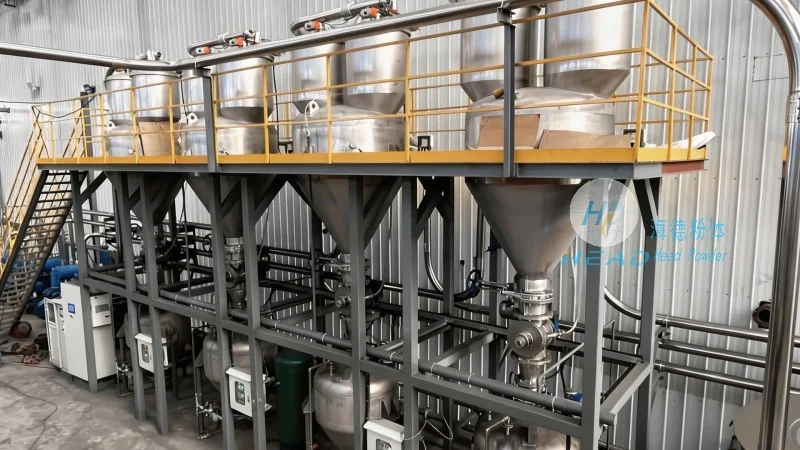
A typical gas-pneumatic conveying system for graphite anode materials includes several essential components. The feed hopper is responsible for storing and feeding the material into the system, ensuring a consistent flow rate. The air compressor or blower provides the necessary pressure to move the material through the ductwork. The conveying line, which may include straight sections, bends, and expansion joints, must be designed to handle the material's properties without causing excessive pressure loss. The discharge hopper collects the material at the destination, and the system may include filters or cyclones to separate any entrained dust from the air stream.
Optimizing System Performance and Efficiency
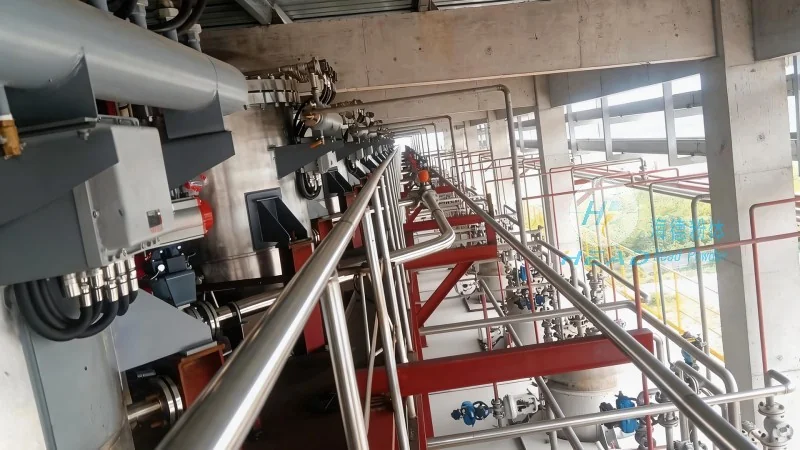
Optimizing a gas-pneumatic conveying system for graphite anode materials involves balancing several performance metrics. Energy efficiency is a primary concern, as the system's power consumption directly impacts operational costs. This can be achieved by selecting the appropriate air velocity, minimizing pressure drop through well-designed ductwork, and using energy-efficient compressors. Material handling efficiency is another critical factor, as the system must maintain consistent flow rates and minimize downtime due to blockages or clogging. Regular maintenance and monitoring of system parameters, such as pressure and flow rates, are essential to ensure long-term reliability and performance.
Case Study: A Successful Implementation by Shandong HeadPowder Engineering Co., Ltd.
Shandong HeadPowder Engineering Co., Ltd., a leading provider of powder handling solutions, has successfully implemented gas-pneumatic conveying systems for graphite anode material particles in multiple battery manufacturing facilities. By leveraging their expertise in material science and system design, the company developed customized solutions that addressed the unique challenges of graphite anode materials. For example, one project involved designing a system to transport fine graphite powders from a storage silo to a mixing and coating line, ensuring minimal degradation and consistent particle size distribution. The system was equipped with advanced control features to monitor and adjust air pressure and flow rates in real-time, resulting in improved process efficiency and reduced material waste.
Conclusion and Recommendations
Designing a rational gas-pneumatic conveying system for graphite anode material particles requires a comprehensive understanding of the material's properties and the system's operational requirements. By carefully considering factors such as particle size, flowability, and system components, manufacturers can achieve efficient, reliable, and cost-effective material transport. Shandong HeadPowder Engineering Co., Ltd. offers specialized engineering services and equipment solutions tailored to the needs of the battery industry, helping clients optimize their gas-pneumatic conveying systems for graphite anode materials and improve overall production efficiency.

 Shandong Headpowder Engineering Co., Ltd.
 156-6277-7102(Quản lý Trương)
  0531-83386006
  Thành phố Tế Nam, Tỉnh Sơn Đông, Trung Quốc
Điện thoại
WeChatTư vấn
Lên đầu