Với hơn 10 năm kinh nghiệm về vận chuyển khí nén, Headpowder Sơn Đông cung cấp hệ thống, thiết bị và quạt gió toàn chuỗi, đảm nhận các dự án kỹ thuật bột trọn gói trên toàn quốc.
When it comes to designing an efficient and reliable polyacrylamide pneumatic conveying system, several key factors must be considered to ensure optimal performance and longevity. This guide will walk you through the essential steps and considerations for creating a well-engineered system, with a focus on practical application and industry standards.
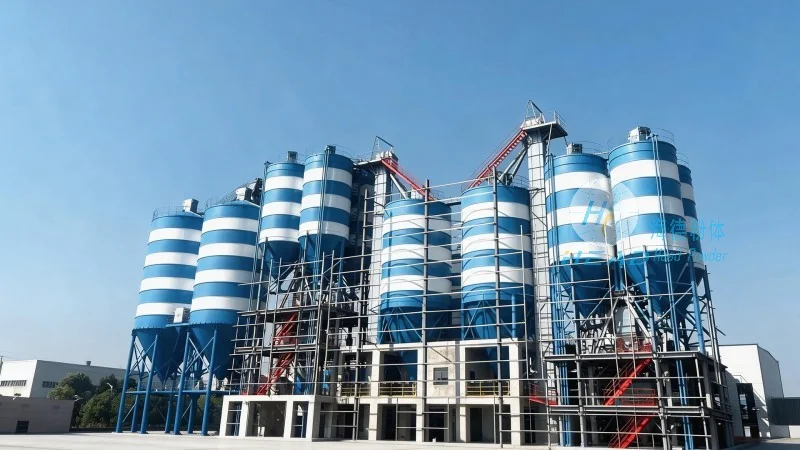
Understanding the Core Components of a Polyacrylamide Pneumatic Conveying System
A polyacrylamide pneumatic conveying system typically consists of several critical components, each playing a vital role in the overall operation. These include the hopper for material storage, the air compressor or blower to generate the conveying air, the pipeline network for material transport, and the control system to regulate flow and pressure. Proper integration of these components is crucial for achieving consistent and efficient material transfer.
Key Design Considerations for System Efficiency
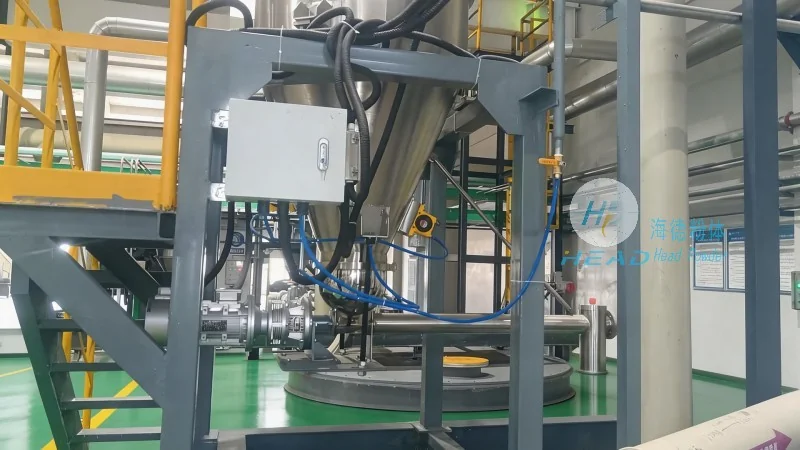
Designing a pneumatic conveying system for polyacrylamide requires careful attention to material properties, such as particle size, density, and moisture content. These factors directly impact the air velocity, pressure, and flow rate needed to move the material through the system. Additionally, the system's layout, including pipeline length, elevation changes, and bends, must be optimized to minimize energy consumption and prevent material degradation or blockages.
Calculating Conveying Parameters: Air Velocity and Pressure Requirements
Accurate calculation of air velocity and pressure is fundamental to system design. The air velocity must be sufficient to lift and transport the polyacrylamide particles while preventing excessive wear on the pipeline and components. Typically, air velocities range from 20 to 30 meters per second for fine powders like polyacrylamide. The pressure required depends on the system's length, elevation, and number of bends, with higher pressures needed for longer or more complex systems.
Equipment Selection: Compressors, Hoppers, and Pipelines
Choosing the right equipment is essential for system performance. The air compressor or blower should be matched to the system's air volume and pressure requirements. For polyacrylamide, which is often handled as a fine powder, a positive displacement blower or a centrifugal compressor may be suitable, depending on the specific application. The hopper design should allow for uniform material discharge and prevent bridging or caking. Stainless steel or corrosion-resistant materials are often preferred for the hopper and pipeline to ensure durability and prevent contamination.
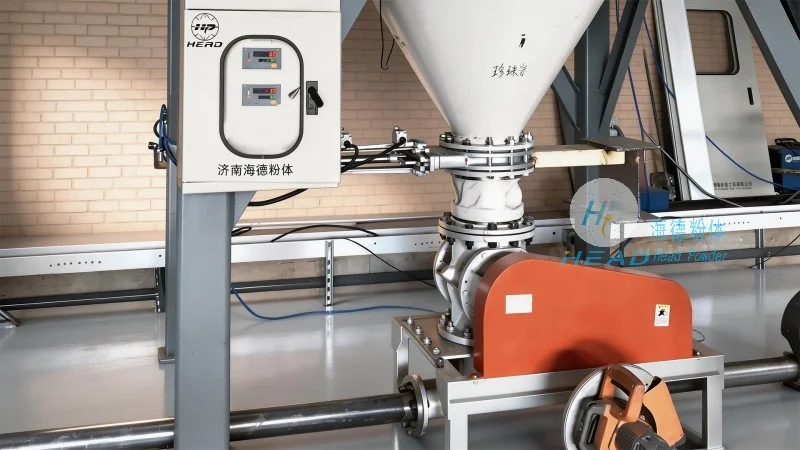
Control and Monitoring Systems for Optimal Operation
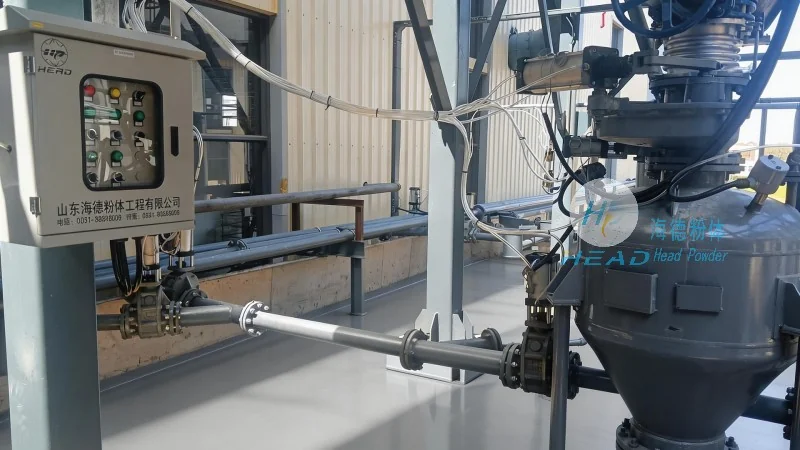
Implementing a robust control system is vital for maintaining consistent operation and preventing issues such as overpressure or material blockages. Sensors and monitoring devices can be integrated to track pressure, flow rate, and material level, providing real-time data for system adjustments. Automated controls can help optimize energy use and ensure the system operates within safe parameters.
Case Study: A Successful Polyacrylamide Pneumatic Conveying Implementation by Shandong HeadPowder Engineering Co., Ltd.
Shandong HeadPowder Engineering Co., Ltd., a leading provider of engineering solutions for material handling, has successfully designed and implemented numerous polyacrylamide pneumatic conveying systems. By leveraging their expertise in system design and material handling, they have helped clients achieve efficient and reliable material transfer. Their approach emphasizes thorough analysis of material properties, precise calculation of conveying parameters, and the use of high-quality equipment to ensure long-term performance.
Conclusion: Building a Reliable Polyacrylamide Pneumatic Conveying System
Designing a reasonable polyacrylamide pneumatic conveying system requires a systematic approach, considering material properties, system layout, and equipment selection. By following industry best practices and leveraging the expertise of experienced engineering firms like Shandong HeadPowder Engineering Co., Ltd., you can ensure your system operates efficiently, reliably, and cost-effectively. Proper design not only enhances performance but also extends the lifespan of the system, reducing maintenance costs and downtime.

 Shandong Headpowder Engineering Co., Ltd.
 156-6277-7102(Quản lý Trương)
  0531-83386006
  Thành phố Tế Nam, Tỉnh Sơn Đông, Trung Quốc
Điện thoại
WeChatTư vấn
Lên đầu