Với hơn 10 năm kinh nghiệm về vận chuyển khí nén, Headpowder Sơn Đông cung cấp hệ thống, thiết bị và quạt gió toàn chuỗi, đảm nhận các dự án kỹ thuật bột trọn gói trên toàn quốc.
When it comes to handling carbon fiber materials in industrial applications, selecting the appropriate pneumatic conveying system is crucial for maintaining material integrity, ensuring efficient operation, and minimizing downtime. Carbon fiber is a high-value material with unique properties that require specialized handling solutions. The right system can significantly impact production efficiency, product quality, and overall operational costs. This article provides guidance on the key factors to consider when choosing a pneumatic conveying system for carbon fiber handling processes.
Understanding the Core Requirements of Carbon Fiber Handling
Carbon fiber is known for its exceptional strength-to-weight ratio, high tensile strength, and thermal stability. These properties make it an ideal material for aerospace, automotive, and sports equipment manufacturing. However, its handling presents unique challenges due to its fine particle size, abrasive nature, and tendency to generate static electricity. Effective material handling requires systems that can maintain the fiber's quality while ensuring safe and efficient transport. The choice of pneumatic conveying system must address these specific challenges to prevent material degradation, clogging, or loss during transport.
Key Factors in Choosing a Pneumatic Conveying System for Carbon Fiber
Several critical factors must be evaluated when selecting a pneumatic conveying system for carbon fiber applications. The first consideration is the material's physical characteristics, including particle size distribution, density, and flowability. Carbon fiber powders and fibers vary widely in these properties, affecting the system's design. For instance, fine powders may require high-pressure systems or special ducting to prevent particle degradation, while larger fibers might need low-pressure or vacuum systems with larger duct diameters. The system's capacity and throughput requirements are also essential, as production volumes can range from small batches to continuous high-volume operations. Additionally, the system must be compatible with the existing facility layout and infrastructure, including space constraints, existing air supply, and integration with other processing equipment.
Types of Pneumatic Conveying Systems for Carbon Fiber Handling
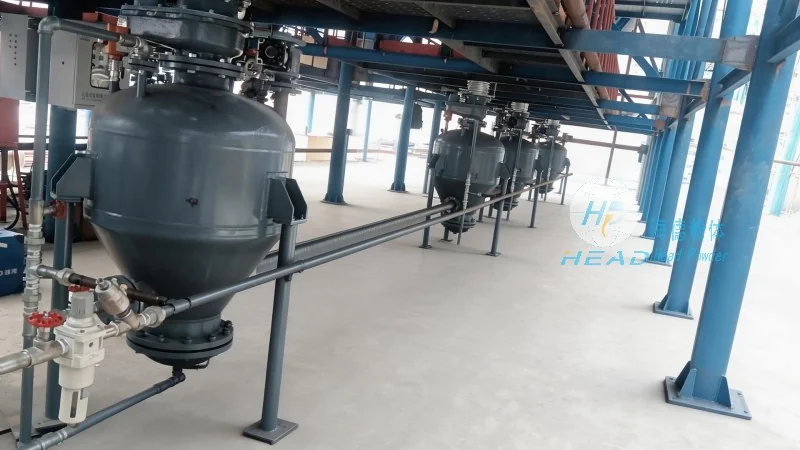
There are several types of pneumatic conveying systems suitable for carbon fiber handling, each with distinct advantages and applications. The most common types include pressure systems, vacuum systems, and hybrid systems. Pressure systems use compressed air to push material through the system, typically operating at pressures ranging from 5 to 100 psi. These systems are ideal for short to medium distances and can handle abrasive materials effectively. Vacuum systems, on the other hand, use suction to draw material into the system, operating at pressures below atmospheric. They are suitable for longer distances and can handle lighter materials with lower pressure requirements. Hybrid systems combine both pressure and vacuum capabilities, offering flexibility for complex material handling routes. For carbon fiber, pressure systems are often preferred for their ability to maintain material integrity and prevent clogging, especially with fine powders. The choice of system type depends on the specific application, material characteristics, and operational requirements.
Importance of Material Handling Equipment for Carbon Fiber
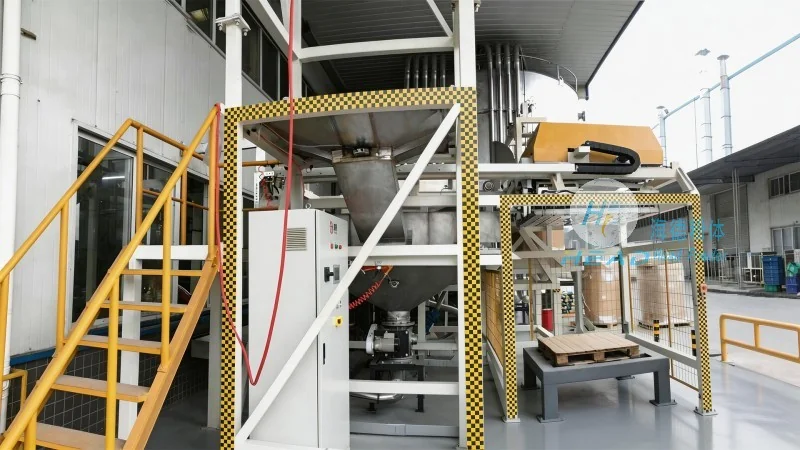
The equipment used in the pneumatic conveying system, such as hoppers, feeders, and ducting, plays a critical role in the overall performance and efficiency of the system. Hoppers must be designed to prevent material bridging and segregation, which can lead to uneven flow and system inefficiencies. For carbon fiber, hoppers with smooth, non-stick surfaces and proper venting are essential to maintain material flow. Feeders, such as rotary valves or screw feeders, must be capable of handling abrasive materials without wear or damage. The ducting material is also crucial, as carbon fiber can be abrasive and may cause wear on metal surfaces. Stainless steel or specialized plastic ducting is often recommended to ensure durability and prevent material degradation. Additionally, the system must include proper filtration and dust collection to maintain air quality and comply with environmental regulations. These components work together to ensure the system operates efficiently and safely, protecting both the material and the equipment.
Role of HeadPowder in Carbon Fiber Pneumatic Conveying Solutions
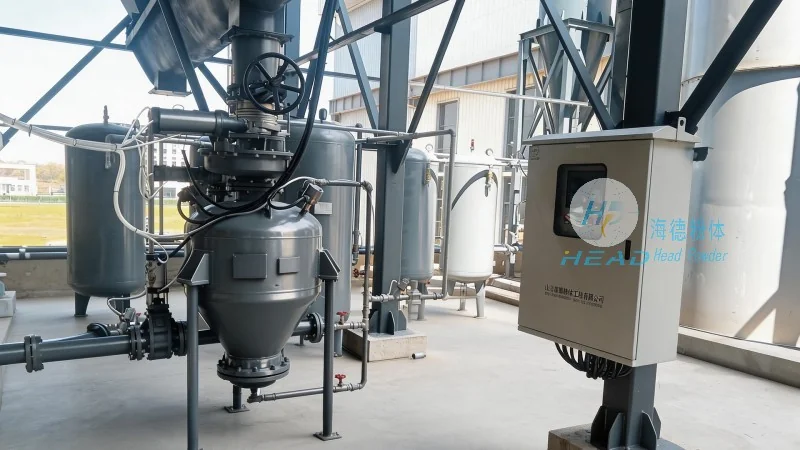
Shandong HeadPowder Engineering Co., Ltd., a leading manufacturer of pneumatic conveying systems, specializes in providing customized solutions for carbon fiber handling applications. With years of experience in the industry, HeadPowder understands the unique challenges of carbon fiber processing and designs systems tailored to meet specific customer needs. The company's expertise lies in understanding the material's properties and translating them into effective handling solutions. HeadPowder offers a range of pneumatic conveying systems, including pressure and vacuum systems, designed to handle carbon fiber powders and fibers efficiently. The systems are engineered to maintain material quality, ensure smooth operation, and minimize downtime. The company's commitment to quality and customer satisfaction has made it a trusted partner for many industries relying on carbon fiber materials. HeadPowder's solutions are designed to integrate seamlessly with existing facilities, providing a cost-effective and reliable way to enhance material handling processes.
Conclusion: Selecting the Right Pneumatic Conveying System for Carbon Fiber
Choosing the right pneumatic conveying system for carbon fiber handling is a critical decision that impacts production efficiency, material quality, and operational costs. By considering the material's physical characteristics, system requirements, and the available options, manufacturers can select a system that meets their specific needs. The key is to work with experienced suppliers who understand the unique challenges of carbon fiber processing and can provide customized solutions. Shandong HeadPowder Engineering Co., Ltd. offers such expertise, providing reliable and efficient pneumatic conveying systems that enhance carbon fiber handling processes. With their commitment to quality and customer satisfaction, HeadPowder is a trusted partner for industries seeking to optimize their carbon fiber handling operations.

 Shandong Headpowder Engineering Co., Ltd.
 156-6277-7102(Quản lý Trương)
  0531-83386006
  Thành phố Tế Nam, Tỉnh Sơn Đông, Trung Quốc
Điện thoại
WeChatTư vấn
Lên đầu