Với hơn 10 năm kinh nghiệm về vận chuyển khí nén, Headpowder Sơn Đông cung cấp hệ thống, thiết bị và quạt gió toàn chuỗi, đảm nhận các dự án kỹ thuật bột trọn gói trên toàn quốc.
When it comes to designing an efficient and reliable pneumatic conveying system, selecting the right materials and system configuration is paramount. For applications involving abrasive or corrosive materials, acrylate rubber components offer superior durability and performance. This article explores the key considerations and steps to design a well-structured acrylate rubber pneumatic conveying system, presented by Shandong HeadPowder Engineering Co., Ltd., a leading provider in the field.
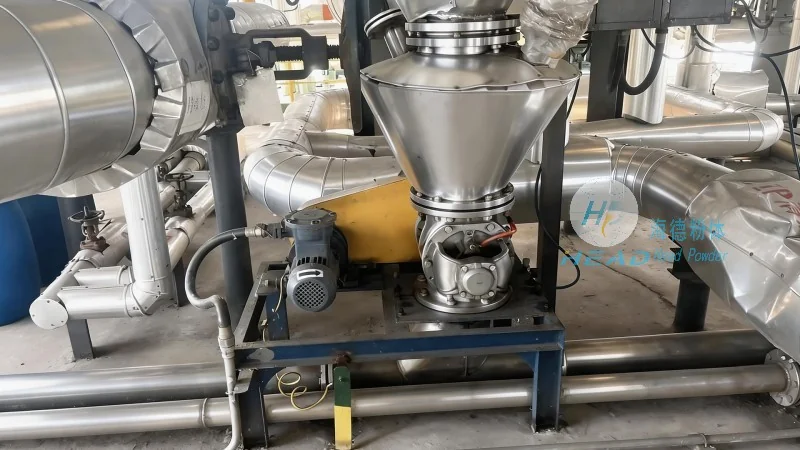
About HeadPowder: Your Trusted Partner in Pneumatic Conveying Solutions
Shandong HeadPowder Engineering Co., Ltd., commonly known as HeadPowder, is a professional engineering company based in Shandong, China. With years of experience in the pneumatic conveying industry, HeadPowder specializes in designing, manufacturing, and supplying high-quality acrylate rubber components and complete pneumatic conveying systems. Our team of experts combines technical expertise with practical knowledge to deliver customized solutions that meet the unique demands of various industries, including chemical, food, and pharmaceutical sectors.
Key Factors in Designing an Acrylate Rubber Pneumatic Conveying System
The success of a pneumatic conveying system largely depends on the careful selection of materials and the proper configuration of components. Acrylate rubber, known for its excellent resistance to abrasion, chemicals, and temperature variations, is an ideal choice for handling challenging materials. When designing such a system, several critical factors must be considered to ensure optimal performance and longevity.
First, the material properties of the conveyed product play a crucial role. Understanding the particle size, density, and flow characteristics of the material helps in determining the appropriate air velocity and system pressure. For instance, fine powders may require lower air velocities to prevent clogging, while bulkier materials might need higher pressures to maintain flow. HeadPowder’s engineers conduct thorough material analysis to recommend the most suitable system parameters.
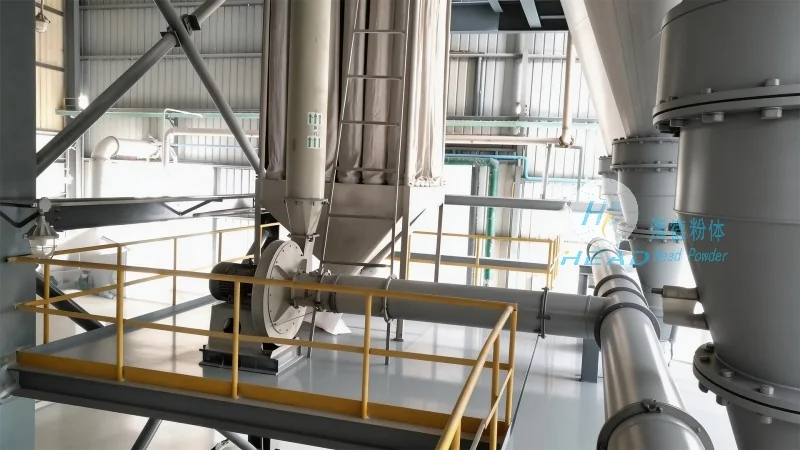
Second, the selection of acrylate rubber components is a critical step. These components, including hoses, elbows, and fittings, must be able to withstand the mechanical stress and chemical exposure of the conveyed material. Our products are engineered with reinforced structures and advanced compounding techniques to ensure durability and minimal wear. For example, our high-performance acrylate rubber hoses are designed to handle pressures up to 10 bar and temperatures ranging from -20°C to 120°C, making them suitable for a wide range of applications.
Third, the system layout and configuration are essential for efficient operation. The design should minimize the number of bends and transitions to reduce pressure losses and prevent material buildup. HeadPowder provides comprehensive system design services, including 3D modeling and simulation, to optimize the layout and ensure smooth material transport. Our engineers work closely with clients to understand their operational requirements and tailor the system to meet specific needs, such as vertical or horizontal conveying, or vacuum or pressure systems.
Step-by-Step Guide to Designing an Acrylate Rubber Pneumatic Conveying System
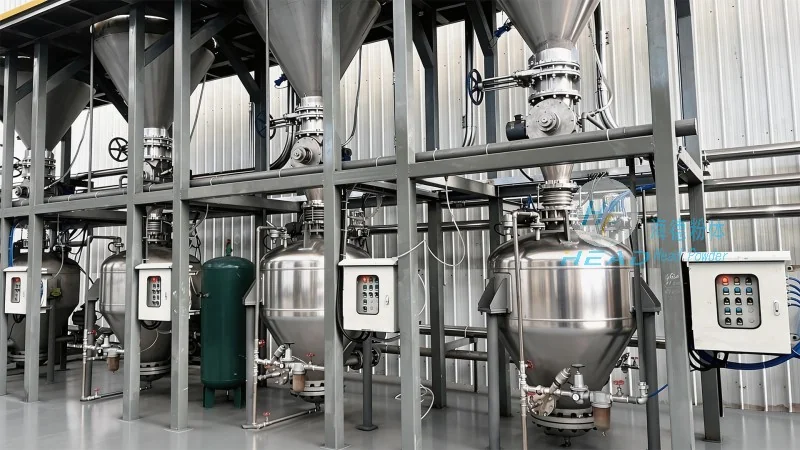
Designing a pneumatic conveying system with acrylate rubber components involves a systematic approach to ensure reliability and efficiency. Here are the key steps followed by HeadPowder:
1. **Material Analysis**: The first step is to analyze the properties of the material to be conveyed. This includes determining particle size distribution, bulk density, flowability, and any potential abrasive or corrosive characteristics. HeadPowder’s technical team uses advanced testing methods to gather accurate data, which forms the basis for system design.
2. **System Type Selection**: Based on the material analysis, the appropriate system type is selected. Common types include pressure, vacuum, and combined systems. For example, pressure systems are suitable for horizontal or slightly inclined conveying, while vacuum systems are ideal for vertical or long-distance transport. The choice of system type affects the required air velocity and pressure levels.
3. **Component Selection**: Once the system type is determined, the next step is to select the acrylate rubber components. HeadPowder offers a range of hoses, elbows, and fittings designed for specific applications. For instance, our flexible acrylate rubber hoses are suitable for horizontal conveying, while our reinforced elbows are used in areas with high stress points. The selection is based on factors such as pressure rating, temperature range, and material compatibility.
4. **System Layout Design**: The system layout is designed to optimize material flow and minimize energy consumption. This involves determining the number and location of components, such as inlets, outlets, and control valves. HeadPowder uses 3D modeling software to simulate the system and identify potential bottlenecks or areas of high stress. The layout is adjusted to ensure smooth material transport and prevent clogging or wear.

 Shandong Headpowder Engineering Co., Ltd.
 156-6277-7102(Quản lý Trương)
  0531-83386006
  Thành phố Tế Nam, Tỉnh Sơn Đông, Trung Quốc
Điện thoại
WeChatTư vấn
Lên đầu