Với hơn 10 năm kinh nghiệm về vận chuyển khí nén, Headpowder Sơn Đông cung cấp hệ thống, thiết bị và quạt gió toàn chuỗi, đảm nhận các dự án kỹ thuật bột trọn gói trên toàn quốc.
When it comes to managing your silage handling operations, selecting the right pneumatic conveying system is crucial for efficiency, cost-effectiveness, and operational reliability. Silage, a key component in livestock feed, requires specialized handling to maintain its quality and prevent spoilage. This article will guide you through the essential considerations for choosing a suitable pneumatic conveying system tailored to your specific silage processing needs.
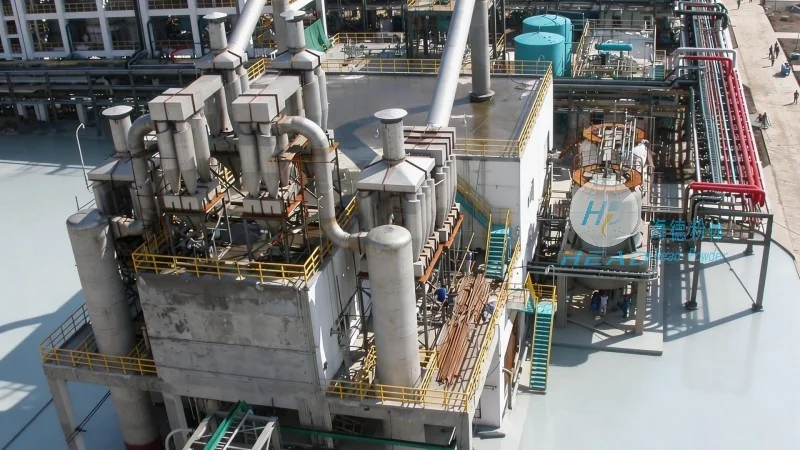
As a leading provider in the field, Shandong HeadPowder Engineering Co., Ltd. specializes in designing and manufacturing advanced pneumatic conveying solutions. With a focus on innovation and customer-centric engineering, HeadPowder delivers systems that optimize silage transport while ensuring compliance with industry standards.
Key Factors to Consider When Selecting a Pneumatic Conveying System for Silage
Choosing the appropriate pneumatic conveying system for silage involves evaluating several critical factors. The first consideration is the type of silage material and its physical properties. Silage can vary in moisture content, particle size, and density, which directly impacts the system's design. For example, high-moisture silage may require systems with enhanced air flow capabilities to prevent clogging and maintain consistent transport rates. Particle size is another key factor; finer silage particles may necessitate systems with finer filtration and more precise air control mechanisms to ensure smooth operation.
Another critical factor is the distance and layout of the conveying route. The system's capacity and pressure requirements are directly linked to the length and elevation changes of the transport path. Horizontal and vertical distances, as well as any obstacles or turns, must be carefully assessed to determine the optimal system configuration. For instance, if the silage needs to be transported over long distances or through multiple levels, a high-pressure or positive displacement system might be more suitable than a low-pressure system.
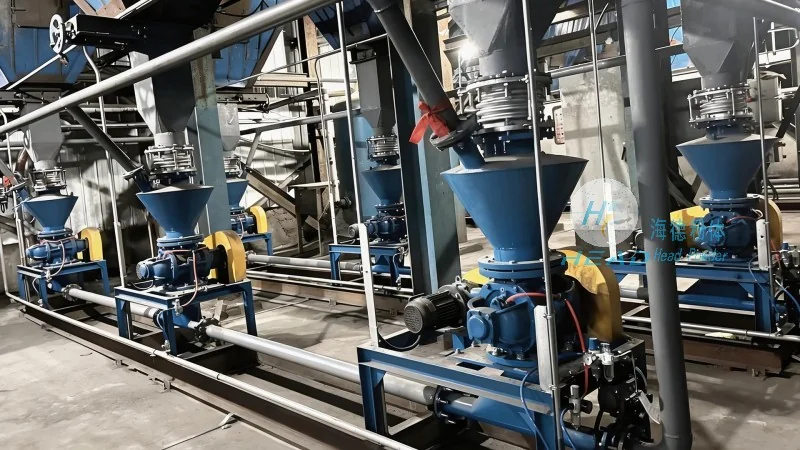
Energy efficiency is also a significant consideration. Modern pneumatic conveying systems are designed to minimize energy consumption while maximizing throughput. Factors such as air compressor efficiency, system pressure management, and material handling speed all contribute to overall energy costs. HeadPowder's systems incorporate advanced technology to reduce energy usage without compromising performance, making them a cost-effective choice for long-term operation.
Types of Pneumatic Conveying Systems for Silage Handling
There are primarily two types of pneumatic conveying systems used in silage handling: positive displacement and negative pressure (or suction) systems. Positive displacement systems, such as rotary lobe or piston pumps, use mechanical components to push material through the system using compressed air. These systems are ideal for high-capacity, long-distance transport and are particularly effective for handling dense or abrasive silage materials. They offer consistent flow rates and can handle a wide range of particle sizes, making them suitable for large-scale operations.
Negative pressure systems, on the other hand, use suction to draw material into the system. These systems are often more suitable for shorter distances and applications where the material is already in a loose or free-flowing state. They are generally less expensive to install and maintain compared to positive displacement systems. However, they may have limitations in terms of capacity and the ability to handle dense or sticky silage without clogging.
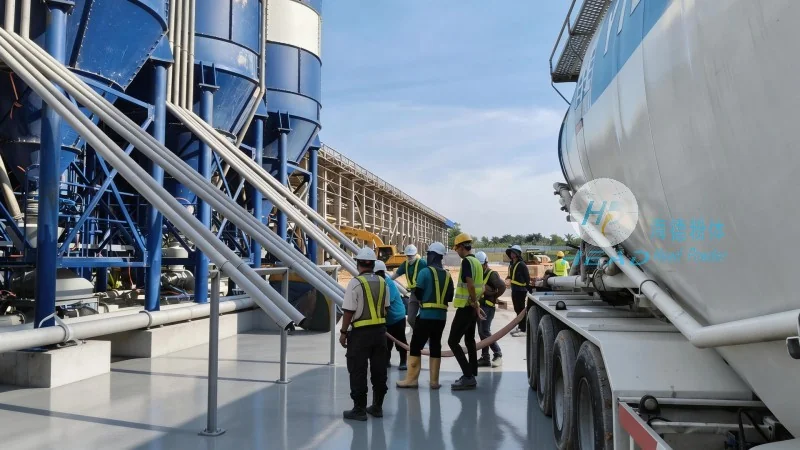
Key Components of a Pneumatic Conveying System for Silage
A well-designed pneumatic conveying system for silage consists of several key components that work together to ensure efficient operation. The primary components include the material feed hopper, air compressor, conveying line, and material discharge unit. The feed hopper is responsible for storing and feeding the silage into the system, ensuring a consistent flow of material. It is typically equipped with a gate or valve to control the amount of material entering the system.
The air compressor provides the necessary pressure or suction to move the silage through the conveying line. The choice of compressor depends on the system type and the required pressure. Positive displacement systems often use high-pressure compressors, while negative pressure systems may use vacuum pumps. The conveying line, usually made of stainless steel or other corrosion-resistant materials, is designed to withstand the abrasive nature of silage and prevent material buildup or clogging.
The material discharge unit is where the silage is released from the system, typically into a storage silo or processing equipment. This component is critical for maintaining the quality of the silage and preventing contamination. It may include features such as a rotary valve or a pressure relief valve to control the discharge rate and prevent overfilling.
Why Choose HeadPowder for Your Silage Pneumatic Conveying Needs
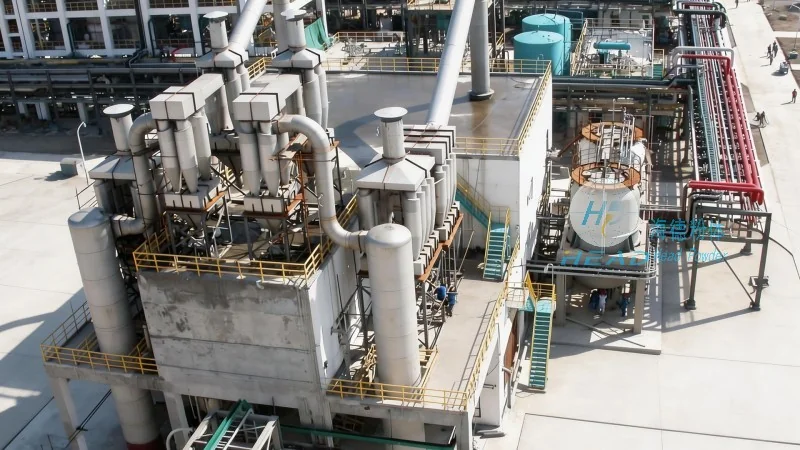
Shandong HeadPowder Engineering Co., Ltd. stands out in the market for its comprehensive approach to silage handling solutions. Our team of experienced engineers works closely with clients to understand their specific operational requirements and design systems that meet their unique needs. We prioritize durability and reliability, using high-quality materials and advanced manufacturing techniques to ensure our systems perform consistently over time.
HeadPowder's pneumatic conveying systems are designed with flexibility in mind. Whether you need a system for short-term transport or a long-term solution for large-scale operations, our products can be customized to fit your budget and operational goals. Our commitment to customer satisfaction is reflected in our after-sales support, which includes maintenance services, technical assistance, and system upgrades to keep your equipment running at peak performance.
Conclusion
Selecting the right pneumatic conveying system for your silage handling process is a critical decision that impacts your operational efficiency and long-term success. By considering factors such as material properties, transport distance, and energy efficiency, you can choose a system that meets your needs while delivering optimal performance. With its expertise and commitment to quality, Shandong HeadPowder Engineering Co., Ltd. is a trusted partner for businesses seeking reliable and effective silage conveying solutions.

 Shandong Headpowder Engineering Co., Ltd.
 156-6277-7102(Quản lý Trương)
  0531-83386006
  Thành phố Tế Nam, Tỉnh Sơn Đông, Trung Quốc
Điện thoại
WeChatTư vấn
Lên đầu