Với hơn 10 năm kinh nghiệm về vận chuyển khí nén, Headpowder Sơn Đông cung cấp hệ thống, thiết bị và quạt gió toàn chuỗi, đảm nhận các dự án kỹ thuật bột trọn gói trên toàn quốc.
When it comes to the efficient and reliable transportation of gypsum sand, the design of a pneumatic conveying system plays a crucial role in ensuring optimal performance and minimizing operational challenges. For businesses in the construction and industrial sectors, selecting the right system design is paramount to achieve seamless material handling and enhance overall productivity. This article provides a detailed guide on how to design a reasonable gypsum sand pneumatic conveying system, focusing on key considerations and practical steps to ensure a successful implementation.
HeadPowder, a leading engineering company based in Shandong, China, specializes in providing comprehensive solutions for material handling systems. With years of experience in the industry, HeadPowder understands the complexities involved in designing pneumatic conveying systems for gypsum sand, a material known for its specific properties such as particle size, moisture content, and flow characteristics. The following sections outline the essential steps and factors to consider when developing an effective gypsum sand pneumatic conveying system plan.
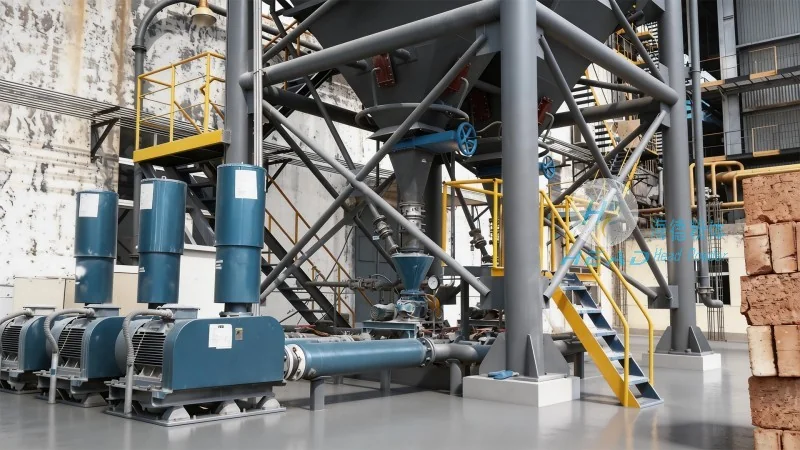
Understanding the Material Characteristics of Gypsum Sand
Before designing a pneumatic conveying system, it is crucial to thoroughly understand the properties of the material being transported. Gypsum sand, typically used in construction and industrial applications, has distinct characteristics that influence system design. Key factors include particle size distribution, bulk density, moisture content, and abrasiveness. These properties directly impact the choice of conveying method, equipment selection, and system configuration. For instance, finer particles may require higher air velocities to prevent blockages, while higher moisture content could affect the material's flowability and require additional drying or conditioning steps. HeadPowder emphasizes the importance of conducting material testing and analysis to gather accurate data on gypsum sand properties, ensuring that the system design is tailored to the specific material characteristics.
System Selection: Dilute or Dense Phase Conveying
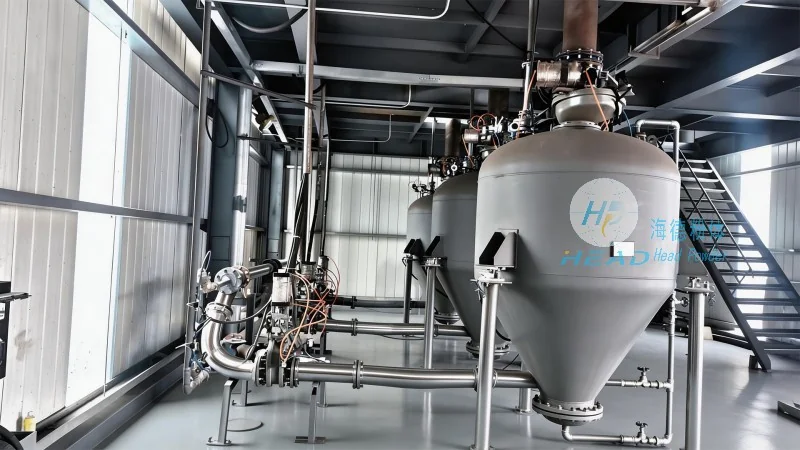
The first critical decision in designing a gypsum sand pneumatic conveying system is choosing between dilute phase and dense phase conveying. Dilute phase systems operate at higher air velocities, typically 20-30 m/s, and are suitable for short to medium distances and low to medium material loads. They are ideal for transporting fine particles like gypsum sand over short distances with minimal pressure drops. Dense phase systems, on the other hand, operate at lower air velocities (5-15 m/s) and higher pressure, suitable for longer distances and higher material loads. These systems are often preferred for abrasive or sensitive materials that require gentler handling to prevent degradation or equipment wear. HeadPowder recommends evaluating the specific application requirements, including distance, material volume, and system constraints, to determine the most appropriate conveying phase for the gypsum sand system. The choice between dilute and dense phase directly affects the system's efficiency, energy consumption, and equipment selection.
Key Design Parameters and Calculations
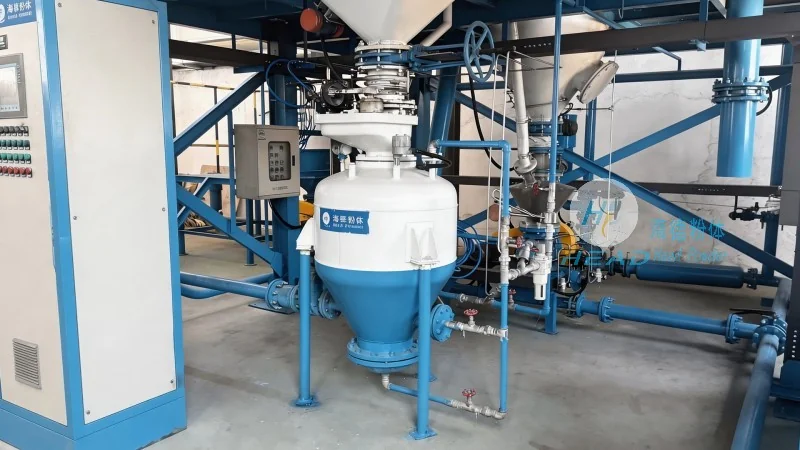
Once the conveying phase is determined, several key design parameters need to be calculated to ensure the system operates effectively. These include the required air volume, pressure drop, and power consumption. The air volume is calculated based on the material flow rate, particle size, and system configuration. For gypsum sand, the air velocity must be sufficient to overcome the material's resistance to flow while maintaining system efficiency. The pressure drop across the system components, such as the hopper, pipeline, and receiver, is a critical factor in determining the required blower or compressor capacity. HeadPowder uses advanced computational fluid dynamics (CFD) and material flow modeling to accurately calculate these parameters, ensuring that the system is designed for optimal performance and minimal energy loss. Additionally, the system's capacity and throughput are calculated based on the material's bulk density and the desired production rate, ensuring that the conveying system can meet the operational demands of the facility.
Equipment Selection and Integration
After determining the design parameters, the next step is selecting the appropriate equipment for the gypsum sand pneumatic conveying system. This includes the material feed hopper, conveying pipeline, air supply system (blower or compressor), and material receiver. The feed hopper must be designed to ensure consistent material flow and prevent blockages, especially for gypsum sand which may have varying moisture content. The pipeline material and diameter are selected based on the material's abrasiveness and flow characteristics. For gypsum sand, stainless steel or coated pipelines are often recommended to withstand wear and corrosion. The air supply system must provide the required air volume and pressure, with options including positive displacement blowers or centrifugal compressors. HeadPowder offers customized equipment solutions tailored to the specific requirements of each project, ensuring that the system components are compatible and optimized for the gypsum sand application. The integration of these equipment components is crucial for the system's overall efficiency and reliability.
System Layout and Installation Considerations
The layout of the pneumatic conveying system is another critical aspect of the design process. The system layout should be planned to minimize the number of bends, changes in direction, and vertical lifts, as these can increase pressure drop and reduce system efficiency. HeadPowder emphasizes the importance of a well-planned layout that considers the existing facility layout, space constraints, and material flow path. The installation of the system components, including the hopper, pipeline, and receiver, must comply with safety regulations and industry standards. Proper sealing and maintenance of the system components are essential to prevent material leakage and ensure long-term operation. Additionally, the system should be designed with provisions for maintenance and cleaning, such as access points and cleaning ports, to facilitate regular upkeep and prevent system downtime.

 Shandong Headpowder Engineering Co., Ltd.
 156-6277-7102(Quản lý Trương)
  0531-83386006
  Thành phố Tế Nam, Tỉnh Sơn Đông, Trung Quốc
Điện thoại
WeChatTư vấn
Lên đầu