Với hơn 10 năm kinh nghiệm về vận chuyển khí nén, Headpowder Sơn Đông cung cấp hệ thống, thiết bị và quạt gió toàn chuỗi, đảm nhận các dự án kỹ thuật bột trọn gói trên toàn quốc.
When it comes to the efficient and reliable transportation of foundry sand, the design of a pneumatic conveying system is a critical aspect of industrial operations. A well-designed system not only ensures the smooth flow of materials but also enhances overall production efficiency and reduces operational costs. This article aims to provide a comprehensive guide on how to design a reasonable foundry sand pneumatic conveying system, focusing on key considerations, design principles, and practical implementation strategies.
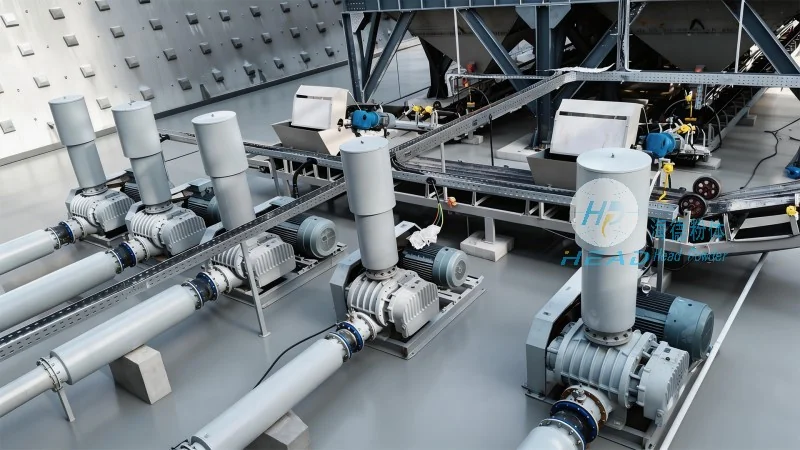
Understanding the Basics of Foundry Sand Pneumatic Conveying
Foundry sand, used extensively in metal casting processes, requires specialized handling due to its abrasive and sometimes dusty nature. Pneumatic conveying systems utilize air or gas to transport these materials, offering advantages such as reduced wear on equipment, minimal contamination, and the ability to handle a wide range of particle sizes. The core of an effective system lies in understanding the material characteristics, the required conveying distance, and the desired throughput. These factors directly influence the choice of system type, whether it is a pressure or vacuum system, and the specific components needed for optimal performance.
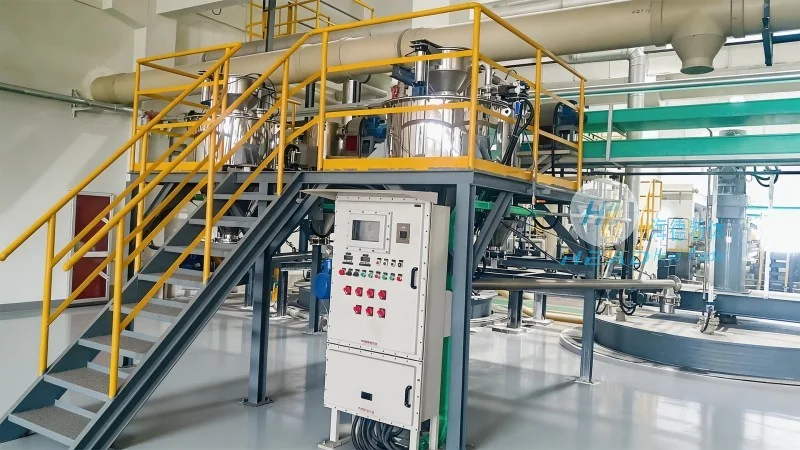
Key Design Considerations for Foundry Sand Pneumatic Conveying Systems
Several critical factors must be considered when designing a pneumatic conveying system for foundry sand. First, the material's physical properties, including particle size distribution, density, and moisture content, play a significant role. Larger or denser particles may require higher air velocities and more robust equipment to ensure consistent flow. Second, the distance over which the sand needs to be conveyed is a key determinant. Short-distance conveying can often use lower-pressure systems, while long-distance applications may necessitate high-pressure or multi-stage systems to maintain material velocity and prevent settling. Third, the required throughput or capacity of the system must be matched to production demands. Underdesigning can lead to bottlenecks, while overdesigning can increase unnecessary energy consumption and costs.
System Components and Their Roles
A pneumatic conveying system for foundry sand typically consists of several key components, each with a specific function. The primary components include a material feeder, which ensures a consistent flow of sand into the system; a conveying line, which can be made of metal or flexible tubing depending on the application; a separator or filter to remove air from the material stream and prevent dust from escaping; and a receiver or storage tank to collect the conveyed sand. The material feeder is often designed to handle the specific characteristics of foundry sand, such as a screw feeder or a rotary valve, to prevent clogging and maintain steady flow. The conveying line must be sized appropriately to handle the air and material mixture without excessive pressure drop or wear. The separator is crucial for maintaining air quality and preventing dust contamination in the workplace. Finally, the receiver should be designed to accommodate the volume of sand being conveyed and may include features like a discharge valve or a level indicator.
Design Process and Engineering Approach
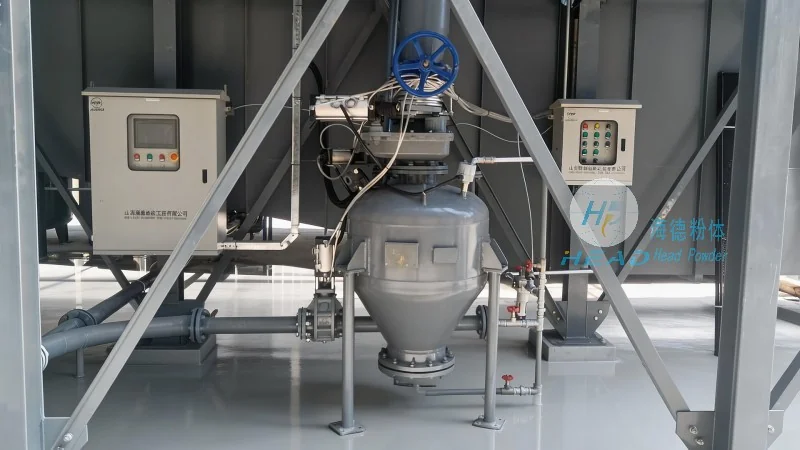
The design process for a foundry sand pneumatic conveying system involves a systematic approach to ensure all requirements are met. It typically begins with a thorough analysis of the material properties and operational parameters. Engineers then select the appropriate system type based on the conveying distance and throughput. The next step is to calculate the necessary air volume and pressure, considering factors like particle size, density, and system length. This involves using established equations and empirical data to determine the optimal air velocity and pressure drop. Once the system parameters are determined, the selection of components, such as the feeder, line size, and separator, is made. Prototyping and testing may be conducted to validate the design and make any necessary adjustments before final implementation. This iterative process ensures that the system is both efficient and reliable, meeting the specific needs of the foundry operation.
HeadPowder's Expertise in Foundry Sand Pneumatic Conveying Solutions
Shandong HeadPowder Engineering Co., Ltd., a leading provider of engineering solutions for material handling, specializes in designing and implementing pneumatic conveying systems tailored to the unique needs of foundry operations. With years of experience in the industry, HeadPowder's team of engineers has developed a deep understanding of the challenges associated with handling foundry sand. The company's approach is centered on providing customized solutions that address the specific requirements of each client, whether it's a new installation or an upgrade to an existing system. HeadPowder utilizes advanced engineering software and methodologies to ensure that each system is optimized for performance, energy efficiency, and durability. The company's commitment to quality and customer satisfaction is reflected in its comprehensive design, manufacturing, and installation services. By leveraging its expertise, HeadPowder helps foundries improve their material handling processes, reduce downtime, and enhance overall operational efficiency.

 Shandong Headpowder Engineering Co., Ltd.
 156-6277-7102(Quản lý Trương)
  0531-83386006
  Thành phố Tế Nam, Tỉnh Sơn Đông, Trung Quốc
Điện thoại
WeChatTư vấn
Lên đầu