Với hơn 10 năm kinh nghiệm về vận chuyển khí nén, Headpowder Sơn Đông cung cấp hệ thống, thiết bị và quạt gió toàn chuỗi, đảm nhận các dự án kỹ thuật bột trọn gói trên toàn quốc.
When it comes to handling magnesium powder in industrial applications, selecting the right conveying method is crucial for efficiency, safety, and cost-effectiveness. The choice of conveying system directly impacts the overall performance of production lines, especially in environments where magnesium powder is used in manufacturing processes such as aerospace, metallurgy, and chemical industries. This article provides a detailed comparison of common magnesium powder conveying methods, helping industrial operators make informed decisions based on their specific operational needs.
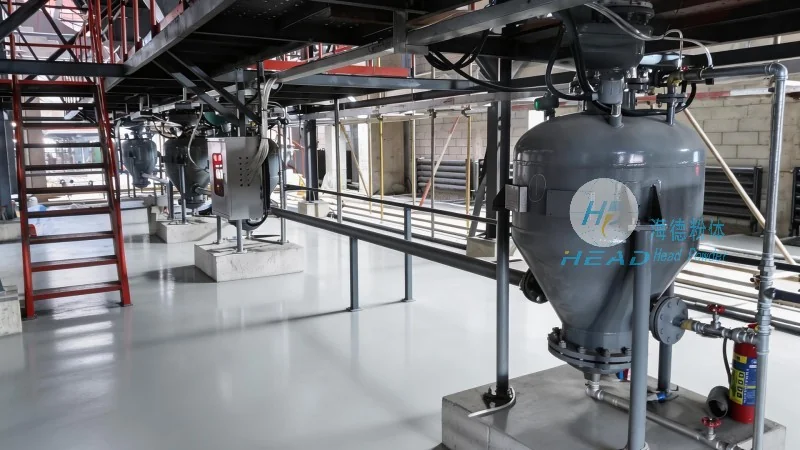
Overview of Magnesium Powder Conveying Methods
Magnesium powder, known for its lightweight and high reactivity, requires specialized handling to prevent dust explosions and ensure smooth material flow. Conveying systems for magnesium powder must be designed to minimize particle degradation, maintain consistent flow rates, and comply with safety regulations. The primary methods used in industrial settings include gravity flow, pneumatic (air-assisted) conveying, and mechanical conveying. Each method has distinct advantages and limitations, making it essential to evaluate them based on factors like material properties, distance, volume, and environmental conditions.
1. Gravity Conveying Systems
Gravity conveying relies on the natural force of gravity to move magnesium powder from a higher elevation to a lower one. This method is simple, low-cost, and ideal for short distances where the powder can flow freely without the need for external power. Common applications include chutes, hoppers, and inclined pipes. The system typically consists of a hopper that stores the magnesium powder, a sloped pipe or chute that allows the powder to slide down, and a receiving container at the end. The main advantages of gravity conveying are its low energy consumption and minimal maintenance requirements. However, it is limited by the need for a sufficient vertical drop and is not suitable for long distances or when the powder needs to be moved horizontally. For instance, in a magnesium powder production facility, gravity chutes can be used to transfer powder from a storage silo to a processing unit, ensuring a steady flow without the need for additional machinery.
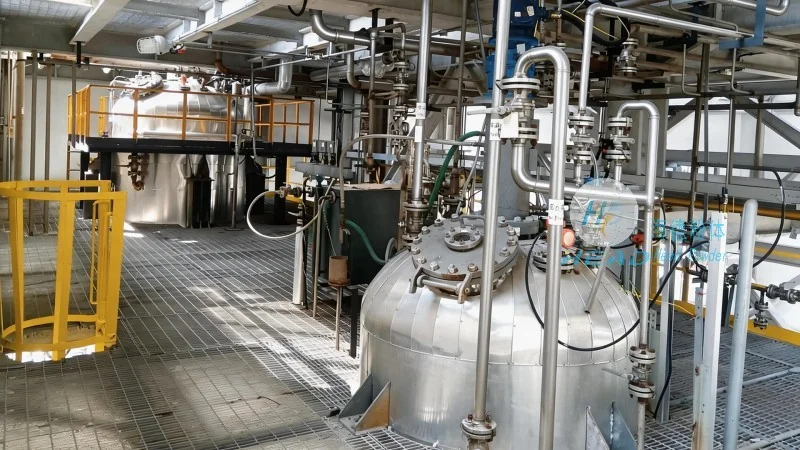
2. Pneumatic Conveying Systems
Pneumatic conveying uses compressed air or other gases to transport magnesium powder through a pipeline. This method is highly versatile and can handle both short and long distances, as well as vertical and horizontal movements. Pneumatic systems are further categorized into positive pressure (pressure) and negative pressure (vacuum) systems. Positive pressure systems push the powder using compressed air, while negative pressure systems pull the powder using a vacuum. The choice between the two depends on the distance, volume, and material characteristics. For magnesium powder, positive pressure systems are often preferred due to their ability to handle abrasive particles and maintain consistent flow rates. The system typically includes a feeder, a conveying line, a filter, and a receiver. The feeder meters the powder and introduces it into the pipeline, where compressed air propels it to the destination. The filter removes dust and particles from the air before it is released into the environment. Pneumatic conveying offers advantages such as flexibility, ability to handle multiple points of loading and unloading, and reduced risk of material degradation compared to mechanical systems. However, it requires more energy than gravity systems and may need regular maintenance of the air filtration system. In industrial settings, pneumatic conveying is commonly used to transport magnesium powder from a production line to a storage silo or to different processing units within a facility.
3. Mechanical Conveying Systems
Mechanical conveying systems use mechanical components like belts, screws, or buckets to move magnesium powder. These systems are suitable for both dry and wet applications and can handle a wide range of particle sizes and flow rates. The most common types include belt conveyors, screw conveyors, and bucket elevators. Belt conveyors use a continuous belt to transport the powder horizontally or at a slight incline. Screw conveyors, also known as augers, use a rotating screw to push the powder forward. Bucket elevators use buckets attached to a chain or belt to lift the powder vertically. Mechanical conveying is often preferred for long distances or when the powder needs to be moved at high speeds. The main advantages of mechanical systems are their high capacity, reliability, and ability to handle abrasive materials without damage. However, they require more maintenance than pneumatic systems and may cause more particle degradation due to friction and impact. For magnesium powder applications, mechanical conveyors are commonly used in large-scale production facilities where high throughput is required, such as in the manufacturing of magnesium alloys or in chemical processing plants.
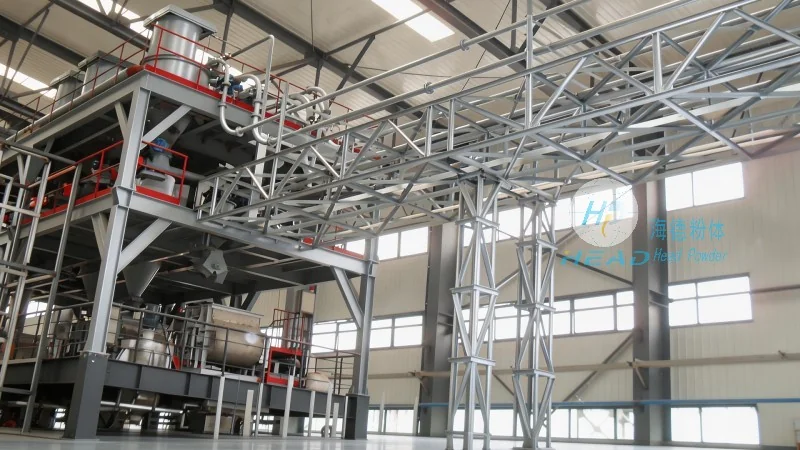
Factors to Consider When Choosing a Conveying Method
When selecting a magnesium powder conveying method, several factors must be considered to ensure optimal performance and safety. The first factor is the distance and layout of the production line. Short distances may be suitable for gravity conveying, while long distances or complex layouts may require pneumatic or mechanical systems. The second factor is the volume and flow rate of the powder. High-volume applications may benefit from mechanical or pneumatic systems, while low-volume applications can use gravity or smaller pneumatic systems. The third factor is the material properties of the magnesium powder, including particle size, moisture content, and reactivity. For example, fine magnesium powder may require a more gentle conveying method to prevent agglomeration, while coarse powder can be handled by mechanical systems. The fourth factor is safety considerations, as magnesium powder is flammable and can cause dust explosions. All conveying systems must comply with safety regulations, such as using explosion-proof components and proper ventilation. The fifth factor is cost, including initial investment and operating costs. Gravity systems are the most cost-effective for short distances, while pneumatic and mechanical systems may have higher upfront costs but lower operating costs in the long run.
HeadPowder's Expertise in Magnesium Powder Conveying
Shandong HeadPowder Engineering Co., Ltd., commonly known as HeadPowder, is a leading manufacturer of specialized conveying systems for magnesium powder and other reactive materials. With years of experience in the industry, HeadPowder provides customized solutions tailored to the specific needs of each client. The company's expertise lies in designing and manufacturing systems that meet the highest safety and performance standards. HeadPowder's products include gravity chutes, pneumatic conveying lines, and mechanical conveyors, all engineered to handle the unique challenges of magnesium powder. The company's team of engineers works closely with clients to understand their operational requirements and recommend the most suitable conveying method. HeadPowder also offers maintenance and support services to ensure the longevity and efficiency of the conveying systems. By choosing HeadPowder, industrial operators can ensure reliable and safe magnesium powder handling, reducing downtime and improving overall productivity.

 Shandong Headpowder Engineering Co., Ltd.
 156-6277-7102(Quản lý Trương)
  0531-83386006
  Thành phố Tế Nam, Tỉnh Sơn Đông, Trung Quốc
Điện thoại
WeChatTư vấn
Lên đầu