Với hơn 10 năm kinh nghiệm về vận chuyển khí nén, Headpowder Sơn Đông cung cấp hệ thống, thiết bị và quạt gió toàn chuỗi, đảm nhận các dự án kỹ thuật bột trọn gói trên toàn quốc.
When it comes to the efficient and reliable transportation of titanium ore powder, the design of a pneumatic conveying system is a critical factor that directly impacts operational efficiency, material integrity, and overall system longevity. For industrial applications where titanium ore powder is processed, the choice of a well-engineered pneumatic conveying system can significantly reduce downtime, minimize material loss, and enhance process safety. This article provides a comprehensive overview of the key considerations and steps involved in designing a rational titanium ore powder pneumatic conveying system, with a focus on practical implementation and optimal performance.
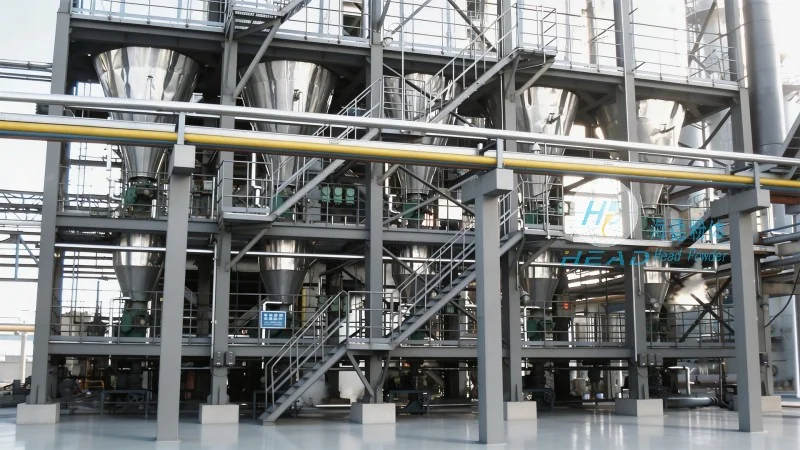
Understanding the Core Requirements for Titanium Ore Powder Pneumatic Conveying
Before diving into the design specifics, it is essential to understand the unique characteristics of titanium ore powder that influence system selection. Titanium ore powder typically has a fine particle size, which can lead to issues such as caking, agglomeration, and high dust generation during handling. Additionally, the material may have varying moisture content and specific gravity, which affect the air velocity and pressure requirements for effective conveying. The design process must account for these factors to ensure the system can handle the material without compromising performance or safety.
Choosing the Right Pneumatic Conveying System Type
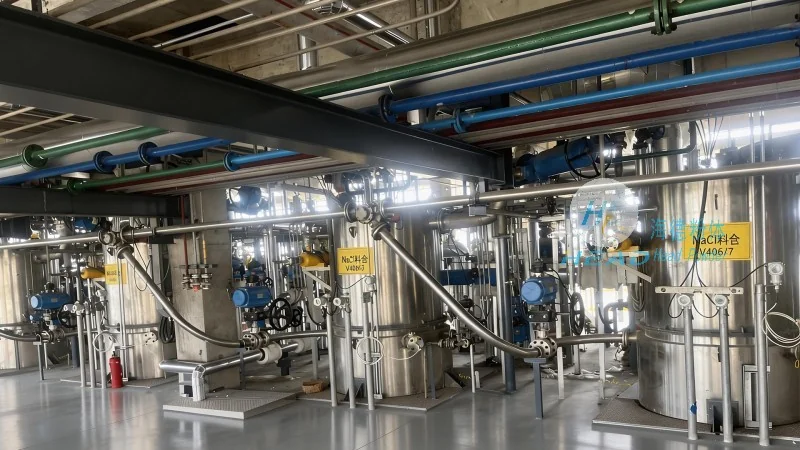
There are several types of pneumatic conveying systems, each with its own advantages and limitations. For titanium ore powder, the most common options include pressure systems, vacuum systems, and mixed systems. Pressure systems, which use positive pressure to move material through the pipeline, are often preferred for long-distance conveying and high-volume applications. They are capable of handling fine powders and can maintain consistent flow rates. Vacuum systems, on the other hand, use negative pressure to draw material into the system, making them suitable for short-distance or low-volume conveying, especially in environments where dust containment is a priority. Mixed systems combine elements of both pressure and vacuum, offering flexibility for complex conveying routes. The selection of the system type depends on factors such as the distance between the source and destination, the volume of material to be conveyed, and the need for dust control. For titanium ore powder, a pressure system is generally recommended due to its ability to handle fine particles and maintain stable flow.
Key Equipment Selection for Titanium Ore Powder Conveying
The success of a pneumatic conveying system hinges on the proper selection of key equipment components. The primary equipment includes the material feeder, which must be capable of handling fine powders without clogging or causing uneven flow. For titanium ore powder, a rotary valve or a star feeder is often used to ensure consistent material discharge. The air compressor is another critical component, as it provides the necessary pressure to move the material through the pipeline. The choice of compressor type—such as rotary screw or reciprocating—depends on factors like pressure requirements, noise levels, and maintenance needs. The pipeline system, including the main line and branch lines, must be designed with appropriate diameter and material to prevent material buildup and corrosion. For titanium ore powder, which may be corrosive or abrasive, stainless steel or high-grade plastic pipes are recommended to ensure durability and prevent contamination. The system also includes control valves, which regulate the flow of air and material, and dust collectors, which capture any airborne particles to maintain air quality and comply with environmental regulations.
Designing the Pipeline and Airflow System
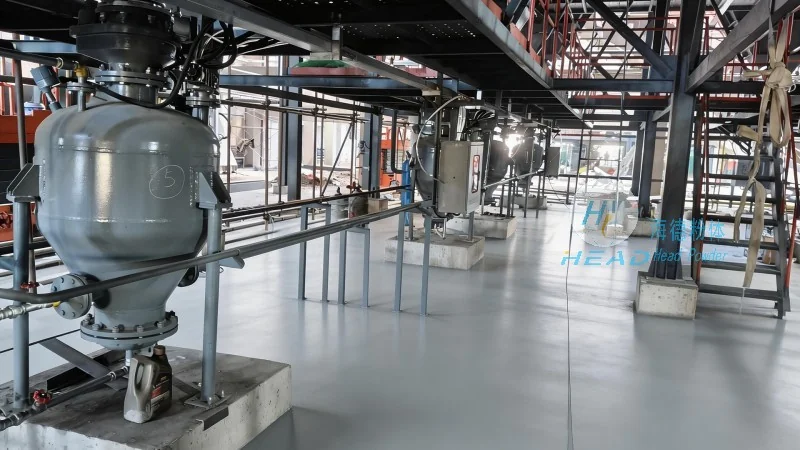
The design of the pipeline and airflow system is crucial for the efficient operation of the pneumatic conveying system. The pipeline layout should be as direct as possible to minimize pressure losses and energy consumption. The pipe diameter is determined based on the material flow rate and air velocity, which must be optimized to prevent material deposition and ensure smooth flow. For titanium ore powder, the air velocity is typically maintained between 20 to 30 meters per second to achieve a balance between conveying efficiency and energy consumption. The pipeline should also include appropriate fittings, such as elbows and tees, which are designed to minimize pressure drop and prevent material accumulation. The system may also include expansion joints to accommodate thermal expansion and reduce stress on the pipeline. Additionally, the airflow system must be equipped with pressure sensors and flow meters to monitor performance and detect any issues in real-time. This allows for timely adjustments to maintain optimal operation and prevent system failures.
Control and Safety Systems for Titanium Ore Powder Conveying
Implementing robust control and safety systems is essential to ensure the safe and reliable operation of the pneumatic conveying system. The control system should include sensors to monitor pressure, temperature, and flow rates, and a control panel to manage the system's operation. The system should be equipped with automatic start-up and shut-down features to prevent overloading and protect equipment. For titanium ore powder, which may be hazardous if not handled properly, the system must include safety features such as dust explosion prevention measures, such as explosion vents or flame arrestors. The system should also be designed with proper grounding and electrical safety to prevent electrical hazards. Regular maintenance and inspection of the system are also critical to ensure long-term reliability and safety. This includes checking for wear and tear on components, cleaning the dust collector, and replacing worn parts as needed.
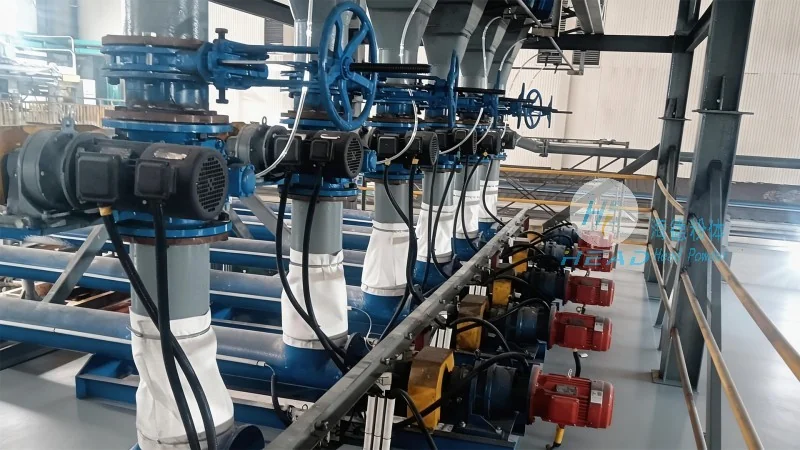
Case Study: A Successful Titanium Ore Powder Pneumatic Conveying System Implementation
Shandong HeadPowder Engineering Co., Ltd., a leading provider of engineering solutions for material handling, has successfully implemented a pneumatic conveying system for a titanium ore powder processing plant. The system was designed to transport fine titanium ore powder from a storage silo to a processing unit over a distance of 200 meters. The system used a pressure type design with a rotary valve feeder and a rotary screw air compressor. The pipeline was constructed using stainless steel pipes with a diameter of 100 mm, and the air velocity was maintained at 25 meters per second. The system included a dust collector and a control panel with real-time monitoring capabilities. The implementation resulted in a significant reduction in material loss, improved process efficiency, and enhanced safety. The system has been in operation for over two years with minimal downtime, demonstrating the effectiveness of the design and implementation.

 Shandong Headpowder Engineering Co., Ltd.
 156-6277-7102(Quản lý Trương)
  0531-83386006
  Thành phố Tế Nam, Tỉnh Sơn Đông, Trung Quốc
Điện thoại
WeChatTư vấn
Lên đầu