Với hơn 10 năm kinh nghiệm về vận chuyển khí nén, Headpowder Sơn Đông cung cấp hệ thống, thiết bị và quạt gió toàn chuỗi, đảm nhận các dự án kỹ thuật bột trọn gói trên toàn quốc.
Efficient and reliable pneumatic conveying systems are crucial for the smooth operation of joint compound production and distribution processes. A well-designed system ensures optimal material handling, reduces downtime, and maintains product quality. This article provides a comprehensive guide on designing a rational joint compound pneumatic conveying system, focusing on key considerations and best practices.
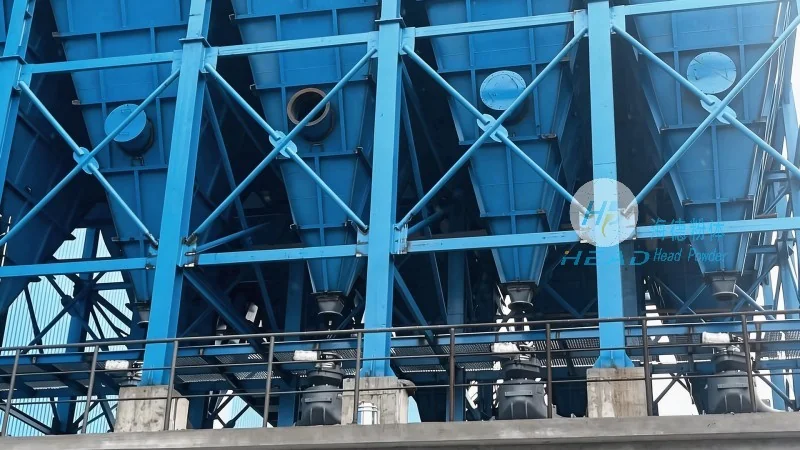
Company Profile: Shandong HeadPowder Engineering Co., Ltd.
Headpowder, a leading engineering firm based in Shandong, China, specializes in the design and implementation of advanced material handling solutions. With years of experience in the construction and industrial sectors, Headpowder has developed a deep understanding of the unique challenges associated with transporting joint compounds. The company’s expertise lies in creating customized pneumatic conveying systems that meet the specific needs of clients, ensuring efficiency and durability.
Understanding the Basics of Pneumatic Conveying for Joint Compounds
Joint compounds, commonly used in construction for finishing walls and ceilings, are typically fine powders with specific flow characteristics. Pneumatic conveying systems use air or gas to transport these materials from one location to another, eliminating the need for mechanical components like belts or buckets. The design of such a system must account for the material's density, particle size, and moisture content, as these factors significantly impact system performance.
Key Design Considerations for a Rational System
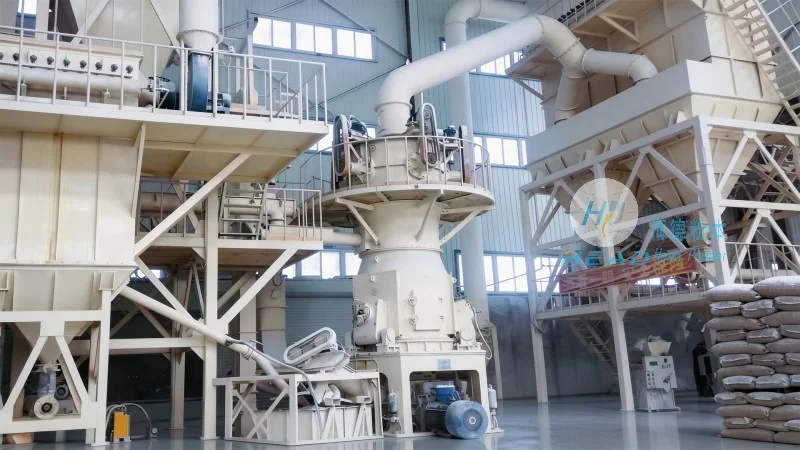
Several critical factors must be considered when designing a pneumatic conveying system for joint compounds. First, the system's capacity and flow rate must match the production and handling requirements. This involves calculating the required air volume and pressure to ensure the material is conveyed at an optimal speed without causing excessive wear on components. Second, the choice of conveying method—such as dilute phase or dense phase—depends on the material's properties and the distance to be covered. Dilute phase systems are suitable for short distances and fine powders, while dense phase systems are ideal for longer distances or bulkier materials.
System Components and Equipment Selection
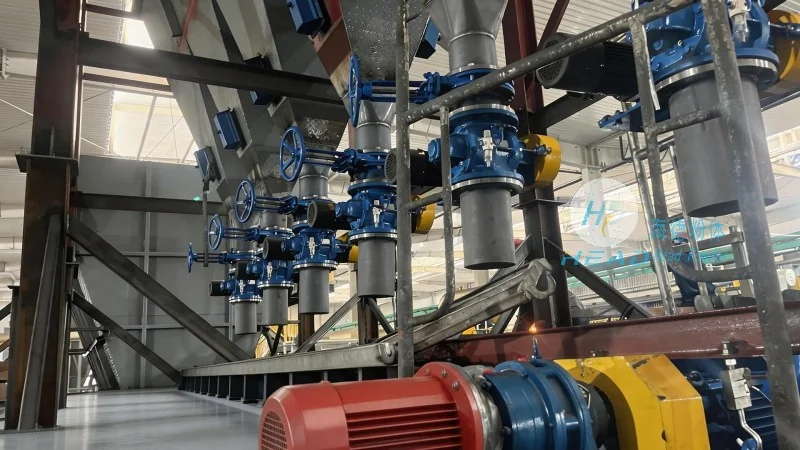
A rational pneumatic conveying system consists of several key components, each playing a vital role in the overall operation. The primary components include a hopper for material storage, a feeder to control the flow rate, a conveying line (often equipped with bends and straight sections), and a receiver for the material's final destination. The selection of these components is critical. For example, the feeder must be capable of handling the material's flow characteristics without clogging, and the conveying line must be made of materials resistant to corrosion and abrasion from the joint compound particles.
Designing the Conveying Line and Airflow
The layout of the conveying line is a crucial aspect of system design. The line should be as straight as possible to minimize pressure losses and reduce the risk of material deposition. Bends and changes in direction must be carefully designed to maintain consistent airflow and prevent material buildup. The use of appropriate fittings, such as elbows and tees, is essential to ensure smooth material transport. Additionally, the system must be equipped with pressure sensors and control valves to regulate airflow and maintain consistent pressure levels throughout the conveying process.
Material Handling and Safety Considerations
When designing a joint compound pneumatic conveying system, safety is a top priority. The system must be designed to prevent dust explosions, which can occur due to the fine nature of the material. This involves incorporating explosion-proof components and proper ventilation systems. Additionally, the system should be equipped with safety valves and pressure relief devices to protect against overpressure situations. Proper maintenance procedures must also be established to ensure the system operates safely and efficiently over time.
Integration with Production Processes
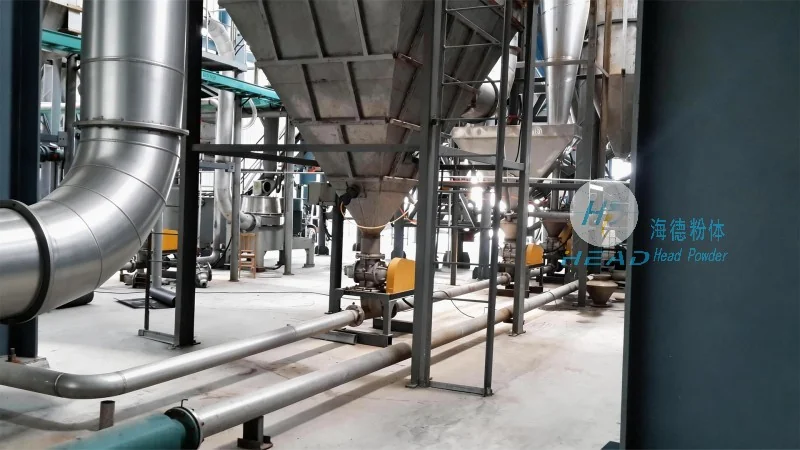
A rational pneumatic conveying system should be seamlessly integrated with the existing production processes. This includes coordinating with other equipment, such as mixers and packaging machines, to ensure a smooth flow of materials from production to storage or distribution. The system must be designed to handle the entire workflow, from raw material input to finished product output, minimizing bottlenecks and maximizing productivity.
Case Study: A Successful Joint Compound Pneumatic Conveying System Implementation
Headpowder recently completed a project for a large joint compound manufacturer in Shandong, China. The client required a system to transport 500 tons of joint compound per day from the production line to the packaging facility over a distance of 200 meters. The system was designed using a dense phase conveying method, which ensured efficient material transport while minimizing product degradation. The system included a hopper with a capacity of 10 tons, a rotary feeder, and a conveying line with stainless steel components to resist corrosion. The implementation resulted in a 30% reduction in labor costs and a 20% increase in production efficiency, demonstrating the effectiveness of a well-designed pneumatic conveying system.
Conclusion and Recommendations
Designing a rational joint compound pneumatic conveying system requires a comprehensive understanding of material properties, system components, and operational requirements. By considering factors such as capacity, airflow, and safety, engineers can create a system that maximizes efficiency and minimizes downtime. Headpowder, with its expertise in material handling solutions, offers tailored designs that meet the specific needs of clients, ensuring optimal performance and long-term reliability. For businesses in the joint compound industry, investing in a well-designed pneumatic conveying system is a critical step toward improving operational efficiency and maintaining a competitive edge.

 Shandong Headpowder Engineering Co., Ltd.
 156-6277-7102(Quản lý Trương)
  0531-83386006
  Thành phố Tế Nam, Tỉnh Sơn Đông, Trung Quốc
Điện thoại
WeChatTư vấn
Lên đầu