Với hơn 10 năm kinh nghiệm về vận chuyển khí nén, Headpowder Sơn Đông cung cấp hệ thống, thiết bị và quạt gió toàn chuỗi, đảm nhận các dự án kỹ thuật bột trọn gói trên toàn quốc.
Efficient and reliable cement powder conveying is a critical aspect of modern industrial operations, particularly in construction and manufacturing sectors. The proper selection of conveying methods ensures optimal performance, minimal material loss, and adherence to safety standards. This article explores the common methods used for cement powder transport, highlighting their applications, advantages, and considerations for implementation.
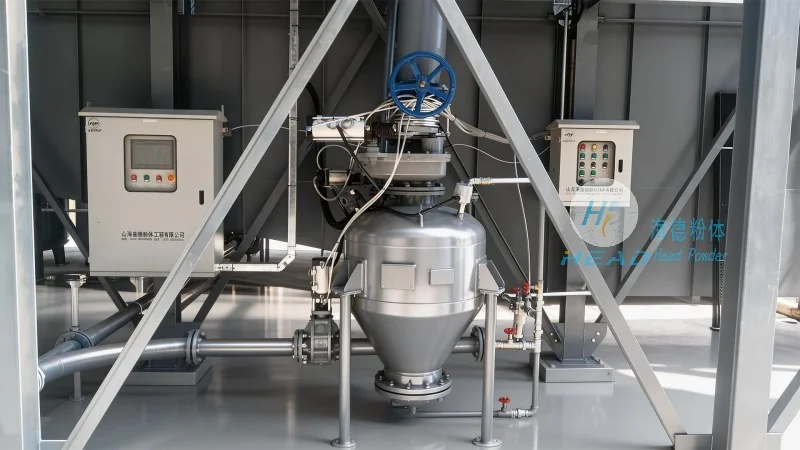
Introduction to Cement Powder Conveying
Cement powder, a fundamental component in concrete production and various construction materials, requires specialized handling due to its fine particle size and potential for dust generation. Conveying systems must be designed to maintain material integrity, prevent clogging, and ensure consistent flow rates. The choice of conveying method depends on factors such as material characteristics, distance, volume, and environmental requirements. In this context, Shandong HeadPowder Engineering Co., Ltd., a leading provider of cement powder handling solutions, offers advanced equipment tailored to diverse industrial needs.
1. Pneumatic Conveying Systems
Pneumatic conveying, also known as air-powered conveying, is one of the most widely used methods for transporting cement powder. This technology utilizes compressed air to move the material through a pipeline. There are two primary types: pressure and vacuum systems. Pressure systems are suitable for short to medium distances and high-volume applications, where air is introduced at the material inlet to push the powder forward. Vacuum systems, on the other hand, draw material into the pipeline using a vacuum pump, making them ideal for longer distances or when material needs to be collected from multiple sources. The key advantage of pneumatic conveying is its ability to handle fine powders without the need for mechanical components that might cause clogging. However, it requires careful control of air pressure and flow rates to maintain efficiency and prevent material degradation. HeadPowder Engineering specializes in designing customized pneumatic conveying systems that optimize performance for specific industrial environments.
2. Screw Conveyors
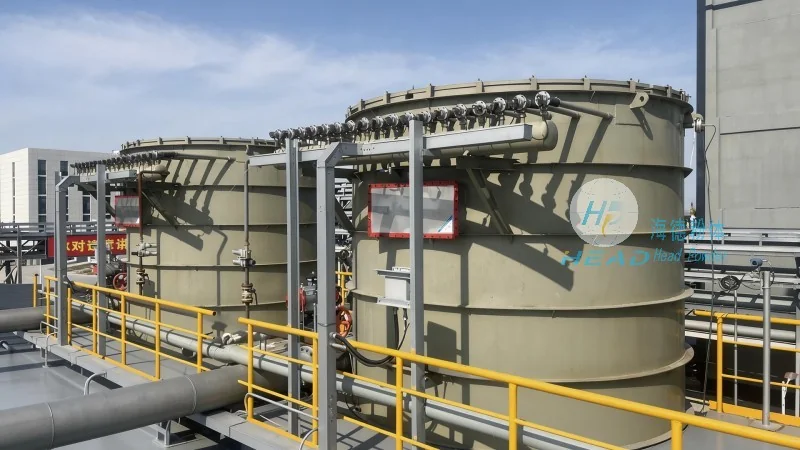
Screw conveyors, or auger conveyors, are another common method for cement powder transport. These systems consist of a rotating screw (auger) inside a U-shaped or cylindrical tube. The screw rotates, pushing the material forward through the tube. Screw conveyors are particularly effective for horizontal or slightly inclined transport, making them suitable for short to medium distances within processing plants. They are known for their simplicity, low maintenance, and ability to handle a wide range of materials, including fine powders. However, they may experience issues with clogging if the material is too fine or contains moisture. To mitigate this, some designs incorporate special screw flights or variable speed controls. HeadPowder Engineering offers screw conveyor solutions with adjustable speed and material feed mechanisms, ensuring consistent and reliable transport of cement powder.
3. Belt Conveyors
Belt conveyors are widely used in bulk material handling, including cement powder, due to their high capacity and ability to transport materials over long distances. These systems consist of a continuous belt that moves over rollers or pulleys, carrying the material from one point to another. Belt conveyors are particularly effective for horizontal or slightly inclined transport and can handle large volumes of material efficiently. They are commonly used in cement plants for transporting raw materials or finished products. The key advantage of belt conveyors is their durability and low maintenance requirements, making them suitable for heavy-duty industrial applications. However, they require regular maintenance to ensure the belt remains in good condition and to prevent material spillage. HeadPowder Engineering provides customized belt conveyor systems with features such as variable speed drives and material loading mechanisms, enhancing their performance in cement powder handling.
4. Bucket Elevators
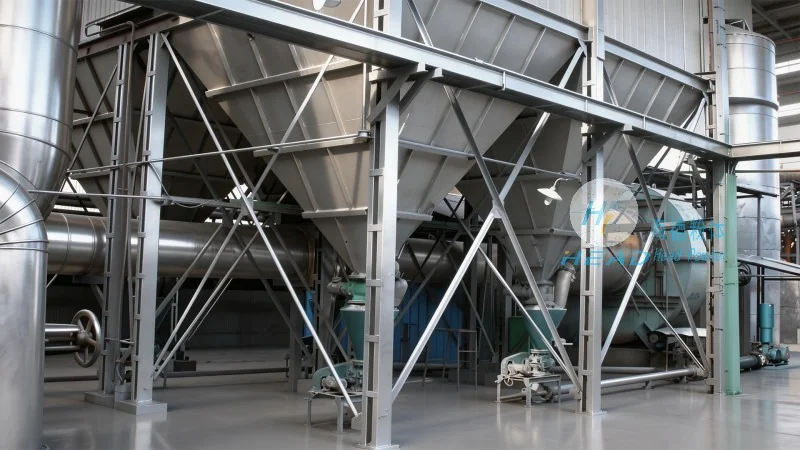
Bucket elevators are vertical or inclined conveyors that use buckets attached to a chain or belt to lift and transport cement powder. These systems are ideal for vertical transport or steep inclines, allowing material to be moved from lower to higher levels without the need for horizontal space. Bucket elevators are known for their high capacity and ability to handle fine powders, as the buckets can effectively lift and move material without causing clogging. They are commonly used in cement production plants for transporting raw materials or finished cement products. The main advantage of bucket elevators is their efficiency in vertical transport, reducing the need for additional horizontal conveyors. However, they require careful alignment and maintenance to ensure smooth operation and prevent material spillage. HeadPowder Engineering designs bucket elevator systems with robust bucket designs and durable chains, ensuring reliable vertical transport of cement powder.
5. Hydraulic Conveying
Hydraulic conveying, or slurry transport, involves mixing cement powder with water to form a slurry, which is then pumped through pipelines. This method is particularly useful for long-distance transport, as it can handle large volumes of material efficiently. The slurry is pumped using high-pressure pumps, and the mixture is transported through pipelines until it reaches the destination, where it is then separated and dried. Hydraulic conveying is commonly used in large-scale cement production facilities for transporting raw materials or finished products over long distances. The key advantage of this method is its ability to transport large volumes of material with minimal energy consumption compared to pneumatic systems. However, it requires careful control of water content and pump maintenance to prevent clogging and ensure consistent flow. HeadPowder Engineering offers hydraulic conveying solutions tailored to the specific needs of cement powder transport, ensuring efficient and reliable operation.
Conclusion and Company Overview
In conclusion, the selection of an appropriate cement powder conveying method depends on various factors, including distance, volume, and operational requirements. Each method has its advantages and limitations, and the choice should be based on a thorough analysis of the specific application. Shandong HeadPowder Engineering Co., Ltd. specializes in providing customized conveying solutions that meet the unique needs of industrial clients. With a focus on efficiency, reliability, and safety, HeadPowder Engineering offers advanced equipment and expert consultation to optimize cement powder handling processes. By leveraging their expertise in pneumatic, screw, belt, bucket elevator, and hydraulic systems, the company ensures that clients can achieve optimal performance and minimize operational costs in their cement powder transport operations.

 Shandong Headpowder Engineering Co., Ltd.
 156-6277-7102(Quản lý Trương)
  0531-83386006
  Thành phố Tế Nam, Tỉnh Sơn Đông, Trung Quốc
Điện thoại
WeChatTư vấn
Lên đầu