Với hơn 10 năm kinh nghiệm về vận chuyển khí nén, Headpowder Sơn Đông cung cấp hệ thống, thiết bị và quạt gió toàn chuỗi, đảm nhận các dự án kỹ thuật bột trọn gói trên toàn quốc.
When it comes to handling fine polishing sand, selecting the right conveying method is crucial for efficiency and product quality. The choice of conveying system directly impacts the performance of manufacturing processes, especially in industries such as glass, ceramics, and metalworking where precision is paramount. This article explores common fine polishing sand conveying methods, with a focus on the advantages and applications of pneumatic conveying systems.
Understanding Fine Polishing Sand and Its Conveying Requirements
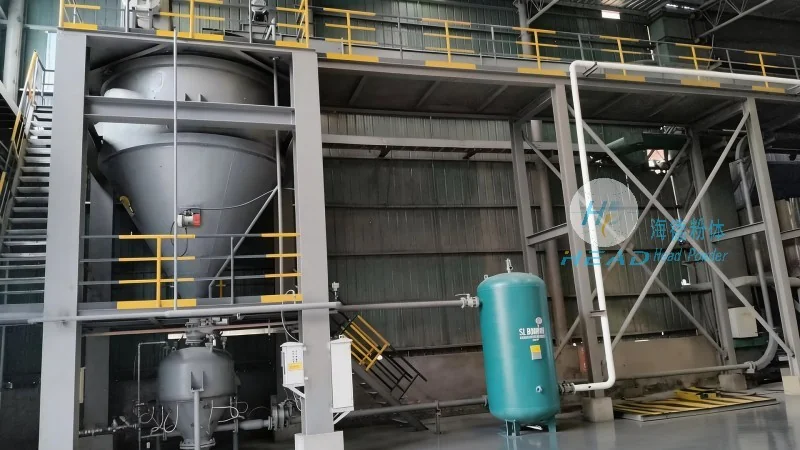
Fine polishing sand, often used in surface finishing operations, consists of small, abrasive particles that require careful handling to prevent damage to the material being processed and to maintain the integrity of the sand itself. These particles are typically lightweight, with diameters ranging from a few microns to a few millimeters, making them susceptible to dust and air resistance during transport. Conventional methods like gravity or mechanical conveying may not be suitable due to the fine nature of the sand, as they can lead to clogging, loss of material, or contamination. Therefore, specialized conveying systems are essential to ensure reliable and efficient transport of fine polishing sand.
Company Profile: Shandong HeadPowder Engineering Co., Ltd.
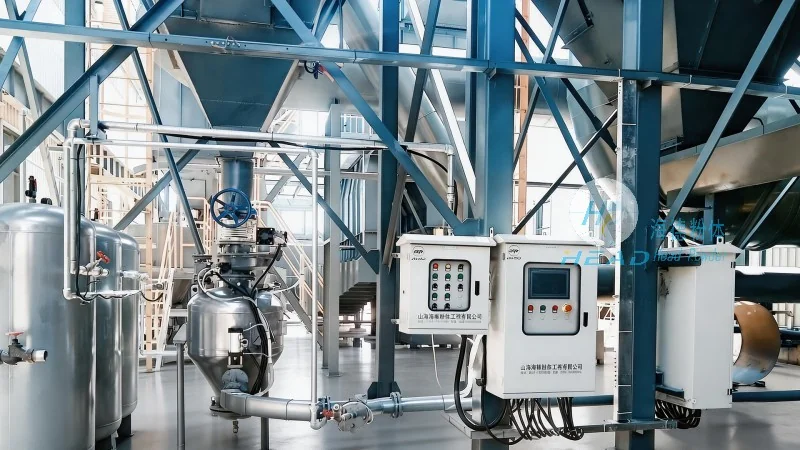
HeadPowder, a leading provider of material handling solutions, specializes in designing and manufacturing advanced conveying systems tailored to the unique needs of fine polishing sand applications. With a strong presence in Shandong, China, HeadPowder combines years of industry experience with cutting-edge technology to deliver high-performance solutions. The company's commitment to quality and customer satisfaction has made it a trusted partner for businesses seeking reliable fine polishing sand conveying equipment.
Common Conveying Methods for Fine Polishing Sand
Several methods are commonly used to transport fine polishing sand, each with its own advantages and limitations. The primary options include pneumatic conveying, mechanical conveying, and gravity-based systems. Among these, pneumatic conveying has emerged as the most effective solution for fine polishing sand due to its ability to handle fine particles without clogging and its flexibility in system design.
Pneumatic Conveying: The Preferred Method for Fine Polishing Sand
Pneumatic conveying, also known as air conveying, uses compressed air to transport fine polishing sand through a pipeline system. This method is particularly suitable for fine particles because it minimizes friction and prevents particle degradation during transport. The system typically consists of a blower, a hopper for material storage, and a series of pipes that guide the sand from the source to the destination. There are two main types of pneumatic conveying systems: pressure and vacuum. Pressure systems use positive pressure to push the material through the pipeline, while vacuum systems use negative pressure to pull the material. For fine polishing sand, pressure systems are often preferred as they offer better control over flow rates and can handle higher material loads.
Advantages of Pneumatic Conveying for Fine Polishing Sand
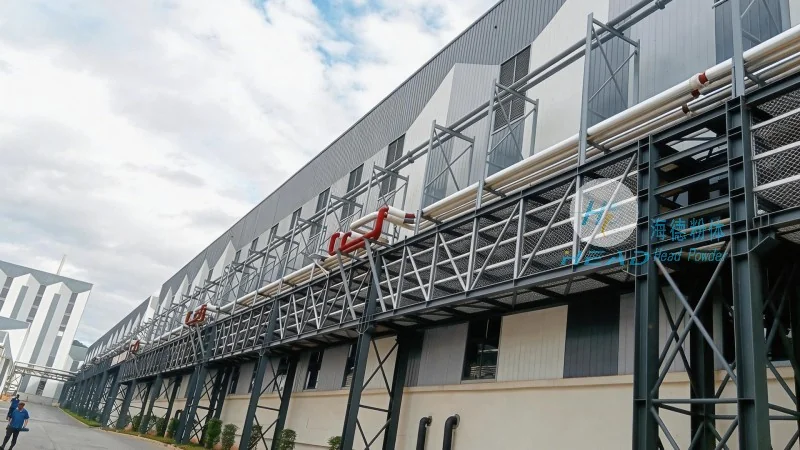
Implementing a pneumatic conveying system for fine polishing sand offers several key advantages. First, it provides a dust-free and enclosed transport environment, which is critical for maintaining product quality and ensuring workplace safety. Unlike open systems, pneumatic conveying prevents dust dispersion, reducing the risk of respiratory issues and contamination. Second, it offers high efficiency in material transport, with minimal loss of material and reduced downtime due to clogging. The system's ability to handle fine particles without degradation ensures that the sand remains in optimal condition for polishing applications. Additionally, pneumatic conveying systems are flexible and can be easily integrated into existing manufacturing processes, allowing for seamless material flow from storage to processing equipment.
Applications of Fine Polishing Sand Pneumatic Conveying
Fine polishing sand pneumatic conveying is widely used in various industries where surface finishing is essential. In the glass industry, for example, fine polishing sand is used to smooth and polish glass surfaces, and pneumatic conveying ensures that the sand is delivered to the polishing machines in a controlled manner. Similarly, in the ceramic industry, fine polishing sand is used to enhance the finish of ceramic products, and pneumatic conveying systems help maintain consistent material quality. The automotive and metalworking industries also benefit from pneumatic conveying of fine polishing sand, as it enables efficient transport of abrasive materials for precision finishing operations.
Key Considerations for Selecting a Conveying System
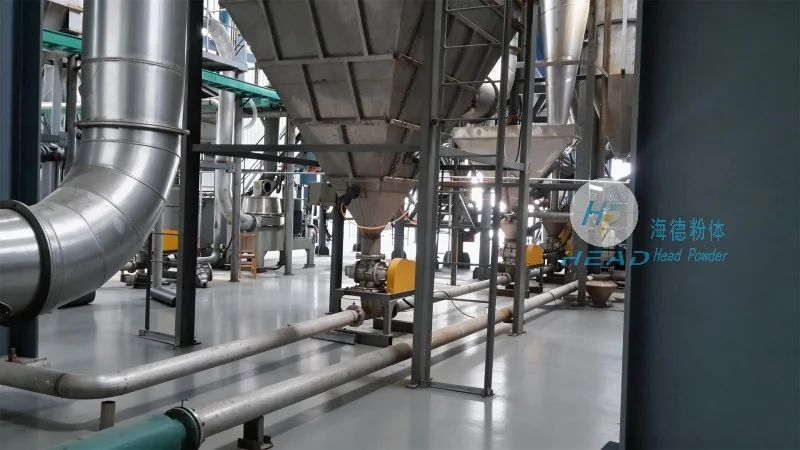
When choosing a conveying system for fine polishing sand, several factors must be considered to ensure optimal performance. The first consideration is the particle size and density of the sand, as these characteristics influence the choice of system type and components. Fine particles require systems with smaller pipe diameters and higher air velocities to prevent clogging. The second factor is the distance and layout of the conveying system, as longer distances may require additional blower power or intermediate boosters. Additionally, the system's ability to handle variations in material flow, such as fluctuations in production rates, is important for maintaining consistent performance. Finally, the cost of the system and its maintenance requirements should be evaluated to ensure long-term economic viability.
Conclusion
Choosing the right conveying method for fine polishing sand is essential for maintaining efficiency and product quality in manufacturing processes. Among the available options, pneumatic conveying stands out as the most effective solution due to its ability to handle fine particles without clogging and its enclosed, dust-free transport environment. Companies like Shandong HeadPowder Engineering Co., Ltd. offer specialized pneumatic conveying systems tailored to the unique needs of fine polishing sand applications, ensuring reliable and efficient material transport. By considering factors such as particle characteristics, system layout, and cost, businesses can select the most suitable conveying system to enhance their production processes and meet industry standards.

 Shandong Headpowder Engineering Co., Ltd.
 156-6277-7102(Quản lý Trương)
  0531-83386006
  Thành phố Tế Nam, Tỉnh Sơn Đông, Trung Quốc
Điện thoại
WeChatTư vấn
Lên đầu