Với hơn 10 năm kinh nghiệm về vận chuyển khí nén, Headpowder Sơn Đông cung cấp hệ thống, thiết bị và quạt gió toàn chuỗi, đảm nhận các dự án kỹ thuật bột trọn gói trên toàn quốc.
When it comes to the efficient and reliable transportation of polyolefin materials, selecting the right conveying method is crucial for industrial operations. Polyolefins, such as polyethylene and polypropylene, are widely used in various sectors due to their versatility and cost-effectiveness. However, their handling requires specialized equipment and techniques to ensure safety, efficiency, and product integrity. This article explores common polyolefin conveying methods, with a focus on pneumatic conveying, and provides an overview of the technology and its applications. Shandong HeadPowder Engineering Co., Ltd., a leading provider of industrial conveying solutions, specializes in designing and manufacturing systems for polyolefin material handling, offering expertise in optimizing material transport processes for enhanced productivity.
Polyolefin Conveying Methods Overview
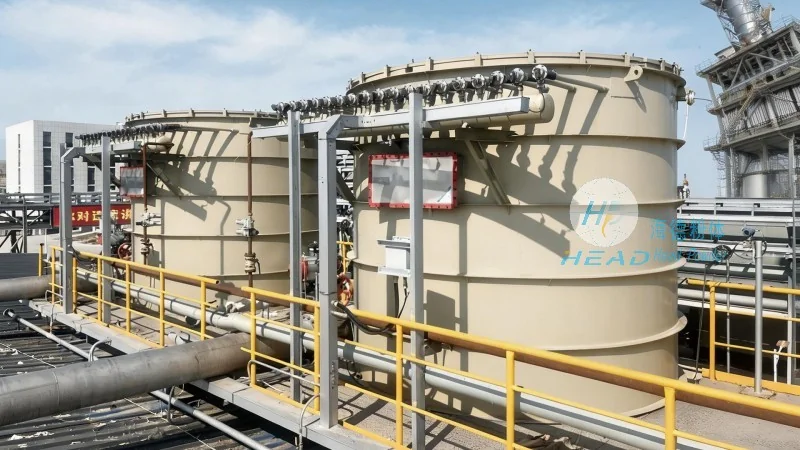
Polyolefin materials are typically transported in industrial settings through several methods, each with its own advantages and limitations. The primary methods include mechanical conveying, pneumatic conveying, and hydraulic conveying. Mechanical conveying involves the use of equipment like screw conveyors, belt conveyors, and bucket elevators, which rely on mechanical force to move materials. While effective for certain applications, mechanical systems may face challenges with polyolefin dust, material buildup, and wear on components. Pneumatic conveying, on the other hand, uses air or other gases to transport materials through a pipeline system, offering advantages in terms of flexibility, speed, and reduced material degradation.
Pneumatic Conveying of Polyolefins: Principles and Types
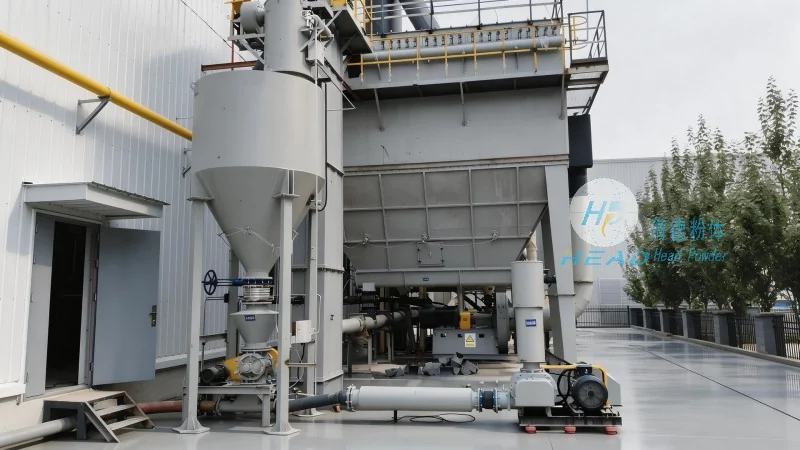
Pneumatic conveying is a popular choice for polyolefin transportation due to its ability to handle fine powders and granules while minimizing product contamination. The core principle involves creating a pressure differential to move materials through a pipeline. There are two main types of pneumatic conveying systems: pressure and vacuum. Pressure systems use compressed air to push material from the source to the destination, while vacuum systems use a vacuum to draw material from the source. For polyolefins, pressure systems are often preferred as they can handle higher material loads and are more suitable for long-distance transport. The system typically consists of a hopper, a conveyor line, and a receiver, with air being introduced at specific points to maintain flow and prevent material settling.
Advantages of Pneumatic Conveying for Polyolefins
Implementing pneumatic conveying for polyolefin materials offers several key benefits. First, it provides a dust-free and enclosed system, which is critical for maintaining product quality and safety in industrial environments. Unlike mechanical systems, pneumatic conveying reduces the risk of material contamination from external sources and minimizes dust exposure for operators. Second, the technology allows for precise control over material flow rates and pressure, enabling consistent and reliable transport. This is particularly important for polyolefins, which can be sensitive to moisture and temperature changes. Third, pneumatic systems are highly flexible and can be easily integrated into existing production lines or modified to accommodate changes in material handling requirements. They can handle a wide range of particle sizes and shapes, making them suitable for various polyolefin products, from fine powders to granules.
Key Components of a Polyolefin Pneumatic Conveying System
A typical polyolefin pneumatic conveying system includes several essential components that work together to ensure efficient operation. The main components are the hopper, which stores the polyolefin material and provides a source for the conveyor; the conveyor line, which is a pipeline system that transports the material; the air supply system, which provides the necessary pressure or vacuum; and the receiver, which collects the material at the destination. Additional components may include air filters, cyclones, and rotary valves, which help to maintain system efficiency and prevent material buildup. The hopper is designed to minimize material degradation by reducing exposure to air and moisture, while the conveyor line is made of materials that are resistant to polyolefin wear and corrosion. The air supply system typically includes a compressor or vacuum pump, along with filters and regulators to ensure clean and consistent air flow. The receiver is equipped with a discharge valve to control the release of material and prevent backflow.
Applications of Polyolefin Pneumatic Conveying
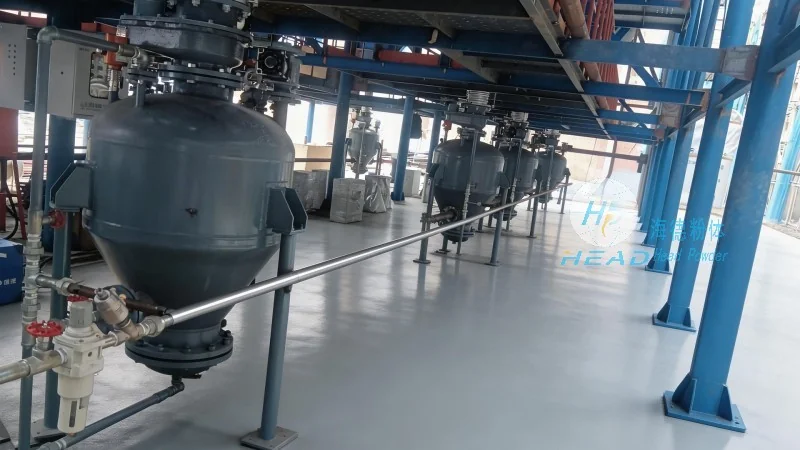
Pneumatic conveying is widely used in various industries that handle polyolefin materials, including plastics manufacturing, chemical processing, and food processing. In the plastics industry, for example, pneumatic systems are used to transport polyethylene and polypropylene pellets from storage silos to processing equipment. This allows for a smooth and continuous supply of raw materials, improving production efficiency and reducing downtime. In chemical processing, pneumatic conveying is used to transport fine polyolefin powders from reactors to storage tanks, ensuring that the material is handled without contamination. In food processing, the technology is used to transport polyolefin-based packaging materials or additives, maintaining the safety and quality of the final products. The versatility of pneumatic conveying makes it suitable for a wide range of applications, from small-scale operations to large industrial facilities.
Considerations for Implementing Polyolefin Pneumatic Conveying
When implementing a polyolefin pneumatic conveying system, several factors need to be considered to ensure optimal performance and efficiency. First, the material properties of the polyolefin must be taken into account, including particle size, density, and moisture content. These factors affect the system's design, such as the size of the hopper and the type of conveyor line. Second, the system's capacity and flow rate must be matched to the production requirements to avoid bottlenecks or overloading. Third, the system's maintenance and operational costs must be considered, as pneumatic systems require regular cleaning and component replacement to maintain performance. Additionally, safety considerations are critical, as polyolefin dust can be a fire hazard and may require explosion-proof components in certain applications. Proper ventilation and dust collection systems are essential to maintain a safe working environment.
Conclusion
Pneumatic conveying is a highly effective method for transporting polyolefin materials, offering advantages in terms of efficiency, safety, and flexibility. By understanding the principles and components of pneumatic conveying systems, industrial operators can select the appropriate technology to meet their specific needs. The technology continues to evolve, with advancements in materials and control systems improving its performance and reliability. For companies handling polyolefin materials, investing in a well-designed pneumatic conveying system can lead to improved productivity, reduced costs, and enhanced product quality. As the demand for polyolefin materials grows, the importance of efficient material handling will only increase, making pneumatic conveying an essential component of modern industrial operations. Shandong HeadPowder Engineering Co., Ltd. remains committed to providing innovative solutions that address the evolving needs of polyolefin material handling, ensuring that clients achieve optimal results in their operations.

 Shandong Headpowder Engineering Co., Ltd.
 156-6277-7102(Quản lý Trương)
  0531-83386006
  Thành phố Tế Nam, Tỉnh Sơn Đông, Trung Quốc
Điện thoại
WeChatTư vấn
Lên đầu