Với hơn 10 năm kinh nghiệm về vận chuyển khí nén, Headpowder Sơn Đông cung cấp hệ thống, thiết bị và quạt gió toàn chuỗi, đảm nhận các dự án kỹ thuật bột trọn gói trên toàn quốc.
When it comes to efficiently transporting corn kernels, various methods are employed in the agricultural and food processing industries. Understanding these common conveying techniques is crucial for optimizing production lines and ensuring the quality of the final product. This article explores the primary methods used for corn kernels conveying, highlighting their applications and benefits.
Overview of Corn Kernels Conveying Methods
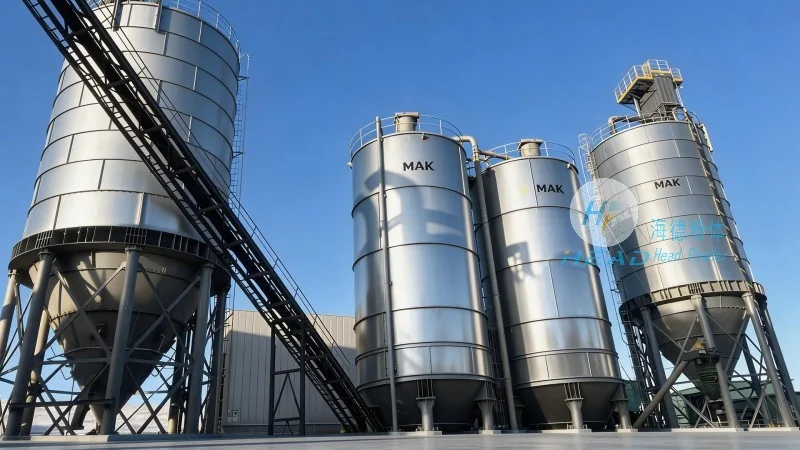
Conveying corn kernels involves moving the grain from one point to another within processing facilities, storage areas, or during packaging operations. The choice of method depends on factors such as the volume of corn, the distance to be covered, the required speed, and the specific characteristics of the kernels. Common methods include gravity-based systems, mechanical conveyors, pneumatic conveyors, and combination systems. Each method has its advantages and is suitable for different scenarios.
1. Gravity Conveying Systems
Gravity conveying systems utilize the natural force of gravity to move corn kernels from a higher elevation to a lower one. These systems typically consist of sloped chutes or hoppers that allow the kernels to flow down under their own weight. This method is highly effective for short distances and when the corn is relatively dry and free-flowing. The simplicity of gravity conveyors makes them a cost-effective solution for many agricultural operations. They require minimal maintenance and energy input, as they rely on the natural movement of the grain.
2. Mechanical Conveyors
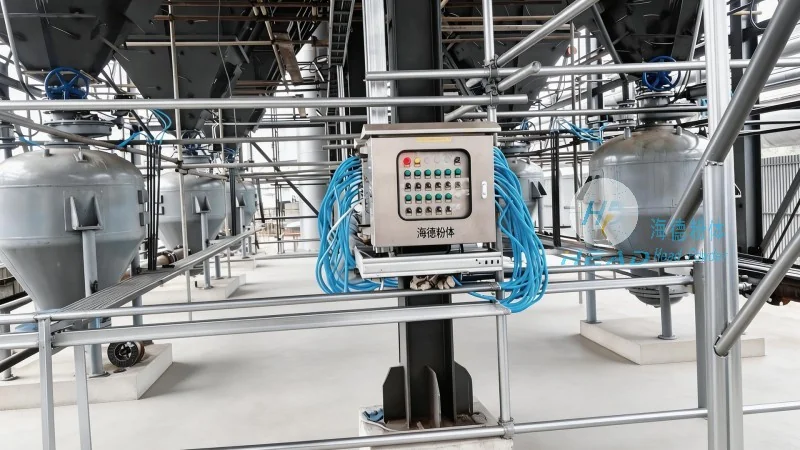
Mechanical conveyors are widely used for corn kernels conveying due to their versatility and ability to handle a wide range of materials. These systems include belt conveyors, screw conveyors, and chain conveyors. Belt conveyors use a continuous belt to transport kernels horizontally or at an incline, making them suitable for both short and long distances. Screw conveyors, also known as augers, use a rotating screw to push the kernels forward, ideal for vertical or inclined movement. Chain conveyors employ a series of chains with attached buckets or paddles to move the grain, often used in high-capacity applications.
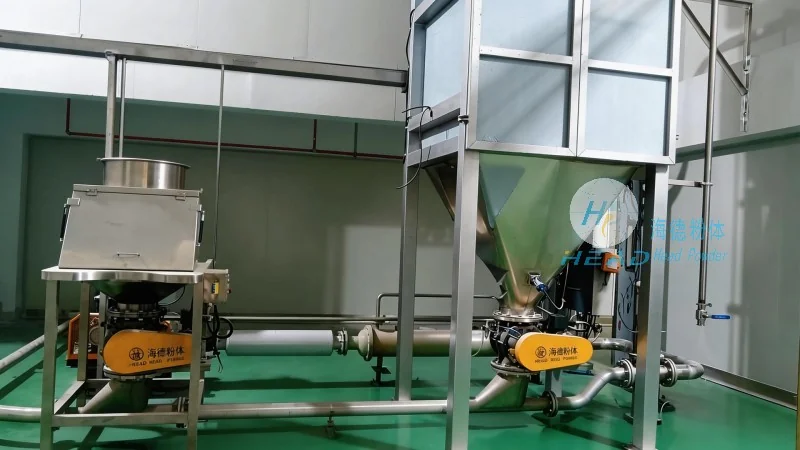
3. Pneumatic Conveying Systems
Pneumatic conveying systems use air or other gases to transport corn kernels through a pipeline. This method is particularly useful for moving kernels over longer distances or in enclosed environments where dust and contamination need to be minimized. There are two main types of pneumatic conveyors: positive displacement and pressure-assisted. Positive displacement systems use a pump to create a vacuum or pressure to move the grain, while pressure-assisted systems rely on compressed air to push the kernels forward. Pneumatic conveyors are efficient for handling fine or dusty materials and can be integrated with other processing equipment.
4. Combination Conveying Systems
Many modern processing facilities employ combination systems that integrate multiple conveying methods to achieve optimal efficiency. For example, a facility might use a gravity chute to move corn from a storage bin to a mechanical conveyor, which then transports it to a pneumatic system for final packaging. These hybrid systems allow for the seamless transfer of kernels while minimizing energy consumption and maximizing throughput. The flexibility of combination systems makes them suitable for complex production lines that require multiple stages of conveying.
Company Profile: Shandong HeadPowder Engineering Co., Ltd.
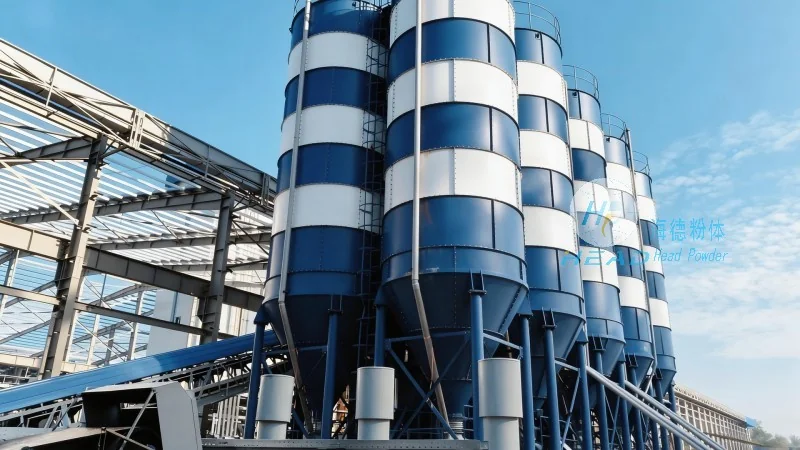
Shandong HeadPowder Engineering Co., Ltd., commonly known as HeadPowder, is a leading provider of conveying solutions for agricultural and food processing industries. With headquarters in Shandong, China, the company specializes in designing and manufacturing customized conveying systems tailored to the specific needs of its clients. HeadPowder's expertise lies in integrating advanced technologies with traditional methods to deliver reliable and efficient corn kernels conveying solutions. The company's commitment to quality and innovation has made it a trusted partner for businesses seeking to optimize their production processes.
Conclusion
In conclusion, the choice of corn kernels conveying method depends on various factors, including distance, volume, and operational requirements. Gravity systems offer simplicity and cost-effectiveness for short distances, while mechanical and pneumatic conveyors provide greater flexibility and efficiency for larger operations. Combination systems further enhance the capabilities of conveying systems by integrating multiple technologies. As a leading provider in the industry, Shandong HeadPowder Engineering Co., Ltd. offers comprehensive solutions that cater to the diverse needs of agricultural and food processing facilities, ensuring optimal performance and reliability in corn kernels handling.

 Shandong Headpowder Engineering Co., Ltd.
 156-6277-7102(Quản lý Trương)
  0531-83386006
  Thành phố Tế Nam, Tỉnh Sơn Đông, Trung Quốc
Điện thoại
WeChatTư vấn
Lên đầu