Với hơn 10 năm kinh nghiệm về vận chuyển khí nén, Headpowder Sơn Đông cung cấp hệ thống, thiết bị và quạt gió toàn chuỗi, đảm nhận các dự án kỹ thuật bột trọn gói trên toàn quốc.
Millet, a staple crop in many regions, demands efficient and reliable conveying systems to streamline processing and handling. As a leading manufacturer, Shandong HeadPowder Engineering Co., Ltd. specializes in designing advanced millet conveying solutions tailored to diverse agricultural needs. This article provides a detailed comparison of common millet conveying methods, highlighting their features, advantages, and practical applications to help farmers and processors choose the most suitable system for their operations.
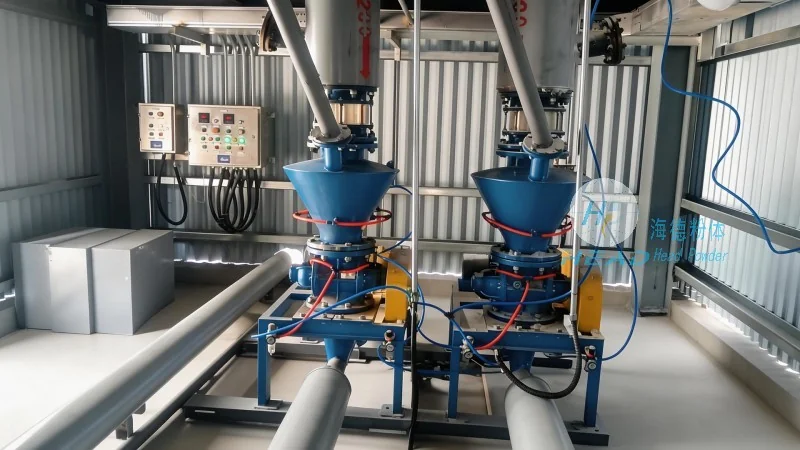
1. Belt Conveyors: Versatile and Efficient Millet Transport
Belt conveyors are among the most widely used millet conveying systems, celebrated for their adaptability and efficiency. These systems employ a continuous belt—often made from durable materials like rubber or PVC—to transport millet from one point to another, making them suitable for both short and long-distance transfers. The smooth operation of belt conveyors minimizes grain damage, preserving the quality of the millet, which is crucial for downstream processing. A key advantage of belt conveyors is their ability to handle a wide variety of millet types, including whole grains, broken kernels, and mixed batches. Shandong HeadPowder Engineering Co., Ltd. offers customized belt conveyor solutions that can be adjusted for different capacities and operational environments, ensuring optimal performance in various agricultural settings. Whether for on-farm storage or industrial processing, belt conveyors provide a reliable and cost-effective option for millet transport.
2. Screw Conveyors: Traditional and Low-Maintenance Millet Handling
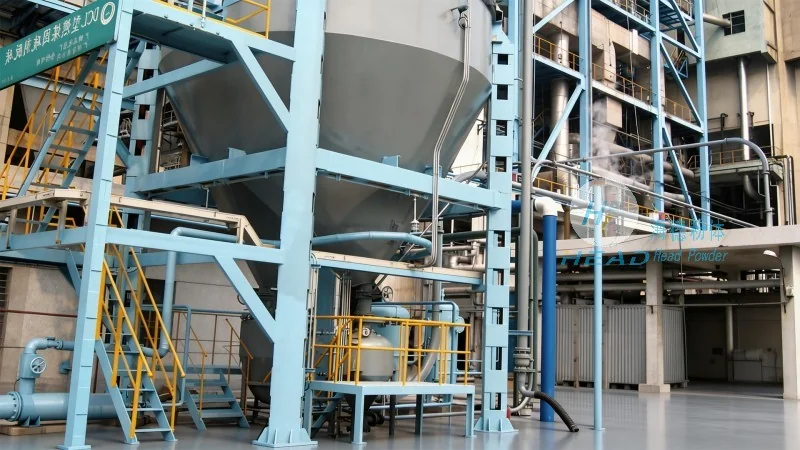
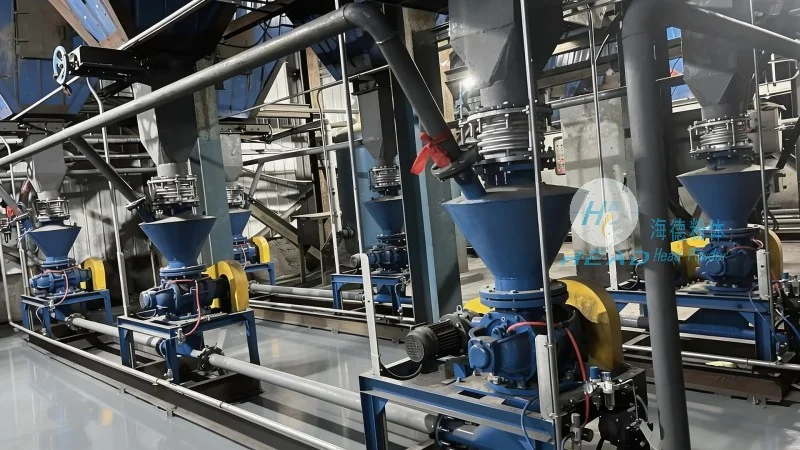
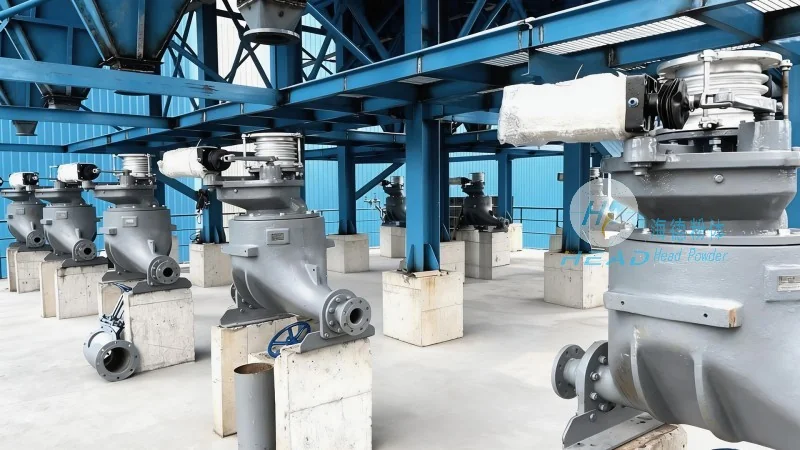
Screw conveyors, also known as auger conveyors, are a classic millet conveying method with decades of proven use. These systems consist of a rotating screw inside a tube, which moves the millet forward through the conveyor. Screw conveyors are particularly effective for vertical or inclined transport, making them ideal for elevating millet from storage bins to processing areas. One of the main benefits of screw conveyors is their simplicity and low maintenance requirements, as they have fewer moving parts compared to other systems. They are compact and can be easily integrated into existing millet handling facilities. However, screw conveyors may cause more grain damage compared to belt conveyors, as the rotating screw exerts pressure on the grains. Shandong HeadPowder Engineering Co., Ltd. provides robust screw conveyor designs that balance efficiency with minimal grain impact, ensuring consistent performance in millet processing operations. Their solutions are engineered for durability, with heavy-duty components that withstand the rigors of continuous millet handling.
3. Pneumatic Conveying Systems: High-Speed and High-Volume Millet Transport
Pneumatic conveying systems utilize air pressure to transport millet through a network of pipes, making them particularly suitable for high-volume and high-speed millet handling. These systems are often used in combination with other processing equipment, such as cleaners or sorters, to create a seamless millet handling line. The main advantage of pneumatic systems is their ability to move large quantities of grain over long distances with minimal labor, reducing operational costs. Pneumatic conveyors are also effective for handling fine or dusty millet without causing excessive wear on the equipment. However, these systems require a significant amount of energy to operate and may be less effective for very heavy or wet millet. Shandong HeadPowder Engineering Co., Ltd. specializes in designing energy-efficient pneumatic conveying solutions that optimize millet transport while maintaining grain quality. Their systems are equipped with advanced controls to ensure consistent performance and reduce energy consumption, making them a sustainable choice for millet processing facilities.

 Shandong Headpowder Engineering Co., Ltd.
 156-6277-7102(Quản lý Trương)
  0531-83386006
  Thành phố Tế Nam, Tỉnh Sơn Đông, Trung Quốc
Điện thoại
WeChatTư vấn
Lên đầu