Với hơn 10 năm kinh nghiệm về vận chuyển khí nén, Headpowder Sơn Đông cung cấp hệ thống, thiết bị và quạt gió toàn chuỗi, đảm nhận các dự án kỹ thuật bột trọn gói trên toàn quốc.
When it comes to transporting cement powder, selecting the right method is crucial for efficiency, safety, and cost-effectiveness. Various technologies are available, each with its own set of advantages and limitations. This article explores the different types of cement powder conveying methods, with a focus on the benefits and characteristics of pneumatic conveying systems. The choice of conveying method not only affects the operational performance of a facility but also plays a critical role in maintaining product quality and minimizing environmental impact. As the cement industry continues to evolve, the adoption of advanced conveying technologies has become essential for staying competitive and meeting the demands of modern construction and manufacturing.
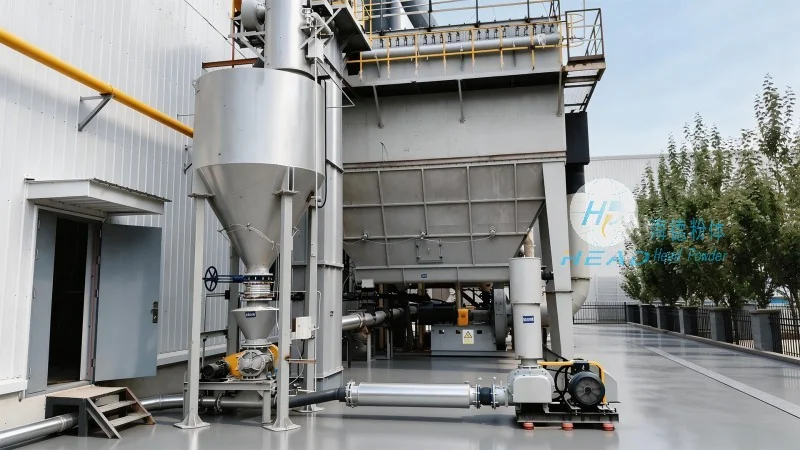
Introduction to Cement Powder Conveying
Cement powder, a key component in construction and manufacturing, requires reliable and efficient transportation from storage to processing units. Traditional methods like belt conveyors, screw conveyors, and bucket elevators have been widely used, but they often face challenges such as material buildup, dust generation, and limited flexibility. Modern solutions, particularly pneumatic conveying, offer innovative approaches to address these issues. The goal is to find a system that balances performance, cost, and environmental considerations, ensuring smooth operations and consistent product quality.
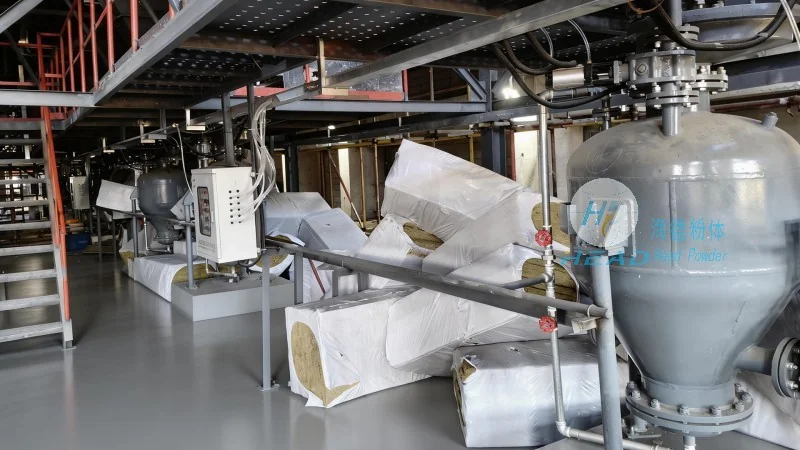
Different Types of Cement Powder Conveying Methods
Several methods are employed for cement powder transport, each suited to different operational needs and environments. The primary categories include mechanical and pneumatic systems. Mechanical systems, like belt conveyors and screw conveyors, rely on mechanical components to move material. While effective for bulk materials, they may struggle with fine powders and require regular maintenance. Belt conveyors use a continuous belt to move material along a fixed path, making them suitable for horizontal and slightly inclined transport. They are widely used in cement plants for transporting raw materials and finished products. However, belt conveyors face challenges when handling fine cement powders, as the material can stick to the belt and cause uneven loading. Screw conveyors, or augers, use a rotating screw to push material forward, which is effective for vertical and inclined transport. Yet, they are prone to material buildup and can cause excessive wear on the screw and housing, especially with abrasive cement powders. These mechanical systems, while reliable, often require regular maintenance and may not be suitable for complex or long-distance transport.
The Advantages of Pneumatic Conveying for Cement Powder
Pneumatic conveying, particularly the positive pressure and negative pressure systems, has become increasingly popular in the cement industry due to its numerous advantages. One of the key benefits is the ability to handle fine and abrasive powders without causing excessive wear on equipment. This is crucial for cement, which is both fine and abrasive. The air flow in pneumatic systems helps to keep the material suspended, preventing it from settling and sticking to surfaces. Additionally, pneumatic systems can transport materials over longer distances and through complex layouts, making them ideal for large-scale operations. Unlike mechanical systems that rely on physical contact with the material, pneumatic conveying minimizes friction and wear, leading to lower maintenance costs and longer equipment life. Another advantage is the ability to integrate with existing systems and adapt to changes in production volume, providing flexibility that traditional methods lack.
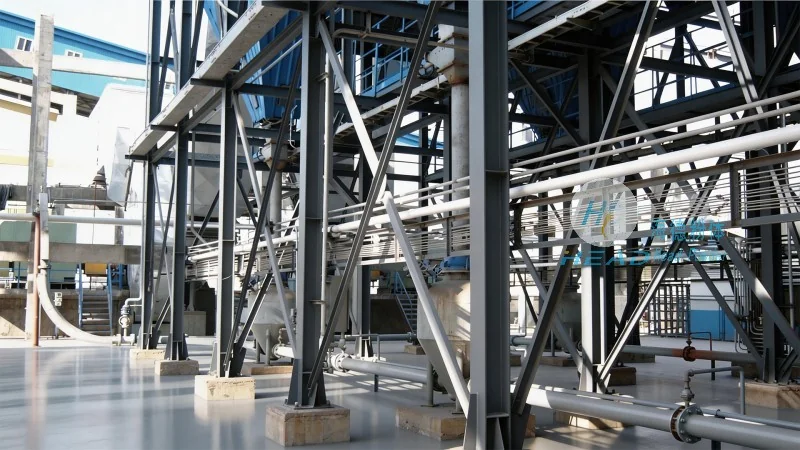
Key Features of Pneumatic Conveying Systems
Modern pneumatic conveying systems for cement powder are equipped with several features that enhance performance and reliability. These include high-pressure blowers, which provide the necessary air pressure to move material efficiently. The systems also utilize specialized pipelines and valves designed to minimize pressure drop and prevent material blockages. Furthermore, advanced control systems allow for real-time monitoring and adjustment, ensuring optimal operation and reducing downtime. For example, variable frequency drives (VFDs) can adjust the blower speed based on the material flow rate, optimizing energy consumption. The use of stainless steel or corrosion-resistant materials in the pipelines and components ensures durability and resistance to the chemical properties of cement powder. These features collectively contribute to a more efficient, reliable, and cost-effective conveying solution.
Applications and Use Cases
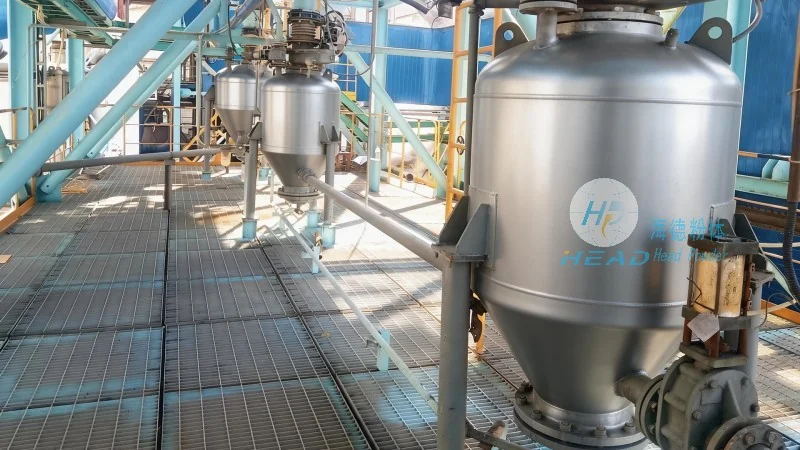
Pneumatic conveying is widely used in various applications within the cement industry. For instance, it is commonly employed in raw material handling, where cement powder is transported from storage silos to mixing plants. The ability to handle fine powders and transport them over long distances makes it suitable for this stage of production. It is also used in finished product distribution, where cement is moved from production facilities to storage or shipping areas. The flexibility of pneumatic systems allows them to adapt to different production scales and operational changes, making them a versatile solution for cement powder transport. In addition, pneumatic conveying is used in quality control processes, where samples of cement powder are transported to testing labs for analysis. This ensures that the material meets the required specifications before it is used in construction projects. The consistent and reliable transport provided by pneumatic systems helps maintain product quality and reduces the risk of contamination or degradation.
Conclusion
In conclusion, the choice of cement powder conveying method significantly impacts operational efficiency and safety. While traditional mechanical systems have their place, pneumatic conveying offers superior advantages in terms of material handling, flexibility, and maintenance. For companies like Shandong HeadPowder Engineering Co., Ltd., which specializes in engineering solutions for cement powder transport, pneumatic systems represent a cutting-edge approach to meeting industry demands. The company's expertise in designing and implementing advanced conveying systems ensures that clients receive tailored solutions that enhance productivity, reduce costs, and ensure safe and efficient cement powder transportation. By leveraging the benefits of pneumatic conveying, businesses can enhance their competitive edge and meet the evolving needs of the construction and manufacturing sectors. The future of cement powder transport lies in innovative technologies that prioritize efficiency, reliability, and sustainability, and pneumatic conveying is at the forefront of this evolution.

 Shandong Headpowder Engineering Co., Ltd.
 156-6277-7102(Quản lý Trương)
  0531-83386006
  Thành phố Tế Nam, Tỉnh Sơn Đông, Trung Quốc
Điện thoại
WeChatTư vấn
Lên đầu