Với hơn 10 năm kinh nghiệm về vận chuyển khí nén, Headpowder Sơn Đông cung cấp hệ thống, thiết bị và quạt gió toàn chuỗi, đảm nhận các dự án kỹ thuật bột trọn gói trên toàn quốc.
When it comes to transporting ceramic powders, selecting the right conveying method is crucial for efficiency, material integrity, and operational safety. Various techniques are available, each with its own advantages and applications. This article explores common ceramic powder conveying methods, with a focus on the benefits and applications of pneumatic conveying, a widely used approach in the industry.
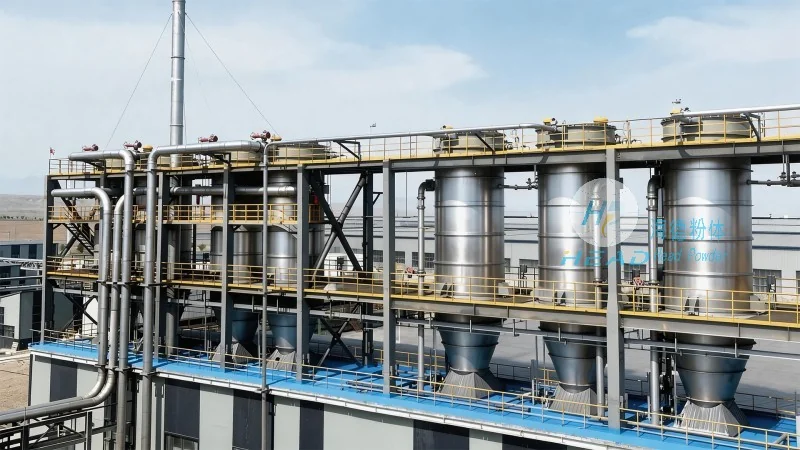
Understanding Ceramic Powder Conveying Methods
Ceramic powders are often used in manufacturing processes for ceramics, electronics, and other high-tech applications. These powders require careful handling due to their fine particle size and potential for dust generation. Conveying methods must be designed to minimize particle degradation, prevent clogging, and ensure consistent flow. The primary methods include mechanical conveying (such as screw conveyors and belt conveyors) and pneumatic conveying. Each method has specific characteristics that make it suitable for different scenarios.
Pneumatic Conveying: A Preferred Solution for Ceramic Powders
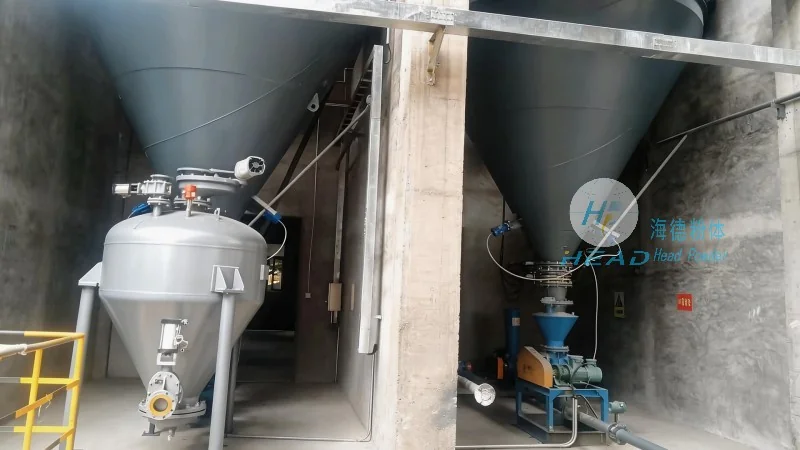
Pneumatic conveying, also known as air conveying, is a popular choice for ceramic powder transport due to its ability to handle fine powders without the need for mechanical components that might cause wear or contamination. This method uses compressed air to move powders through a pipeline system. There are two main types of pneumatic conveying: pressure and vacuum systems. Pressure systems use positive pressure to push the material forward, while vacuum systems use negative pressure to pull the material. Both types can be adapted for ceramic powders, depending on the specific requirements of the application.
Key Advantages of Pneumatic Conveying for Ceramic Powders
One of the most significant advantages of pneumatic conveying is its ability to maintain the integrity of the ceramic powder. Unlike mechanical conveyors, which can cause particle attrition or agglomeration, pneumatic systems minimize these issues by using air to transport the material. This helps preserve the powder's properties, which is critical for applications where particle size and uniformity are essential. Additionally, pneumatic conveying systems are generally more flexible in terms of layout and can be easily integrated into existing production lines. They also offer better control over the flow rate and pressure, allowing for precise material handling.
Applications of Ceramic Powder Pneumatic Conveying
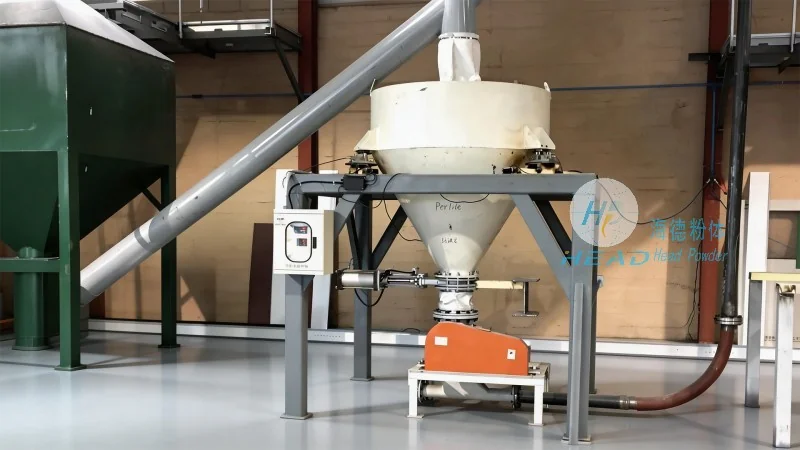
Pneumatic conveying is widely used in various industries that rely on ceramic powders. In the ceramics industry, it is used to transport raw materials from storage to processing equipment, such as mixers and extruders. In the electronics industry, it is used to convey powders for the production of components like capacitors and semiconductors. The method is also used in pharmaceutical and chemical applications where fine powders need to be handled hygienically and efficiently. The versatility of pneumatic conveying makes it suitable for a wide range of applications, from small-scale laboratory use to large-scale industrial production.
Factors to Consider When Choosing a Ceramic Powder Conveying System
When selecting a ceramic powder conveying system, several factors must be considered to ensure optimal performance. The first is the particle size and density of the powder, as these affect the flow characteristics and the required air velocity. The second is the distance and layout of the conveying line, as this influences the pressure drop and the power consumption of the system. The third is the required flow rate and the desired material handling capacity. Additionally, the system must be designed to meet safety and environmental standards, as ceramic powders can be hazardous if not handled properly. Proper filtration and dust collection systems are essential to prevent dust emissions and protect the environment and personnel.
Conclusion
Ceramic powder conveying is a critical aspect of many industrial processes, and choosing the right method is essential for success. Pneumatic conveying, with its ability to handle fine powders efficiently and maintain material integrity, is a preferred solution for many applications. By understanding the advantages and considerations of different conveying methods, manufacturers can select the most suitable system for their specific needs. As the demand for high-quality ceramic powders continues to grow, the importance of efficient and reliable conveying systems will only increase. Companies like Shandong HeadPowder Engineering Co., Ltd. specialize in providing customized conveying solutions that meet the unique requirements of their clients, ensuring optimal performance and reliability in ceramic powder handling.

 Shandong Headpowder Engineering Co., Ltd.
 156-6277-7102(Quản lý Trương)
  0531-83386006
  Thành phố Tế Nam, Tỉnh Sơn Đông, Trung Quốc
Điện thoại
WeChatTư vấn
Lên đầu