Với hơn 10 năm kinh nghiệm về vận chuyển khí nén, Headpowder Sơn Đông cung cấp hệ thống, thiết bị và quạt gió toàn chuỗi, đảm nhận các dự án kỹ thuật bột trọn gói trên toàn quốc.
When it comes to transporting paper dust and other fine particulate materials, selecting the right conveying method is crucial for efficiency, cost-effectiveness, and operational safety. Various options exist, each with its own set of advantages and limitations. This article explores the different types of paper dust conveying methods and highlights the benefits of pneumatic conveying as a leading solution.
Types of Paper Dust Conveying Systems
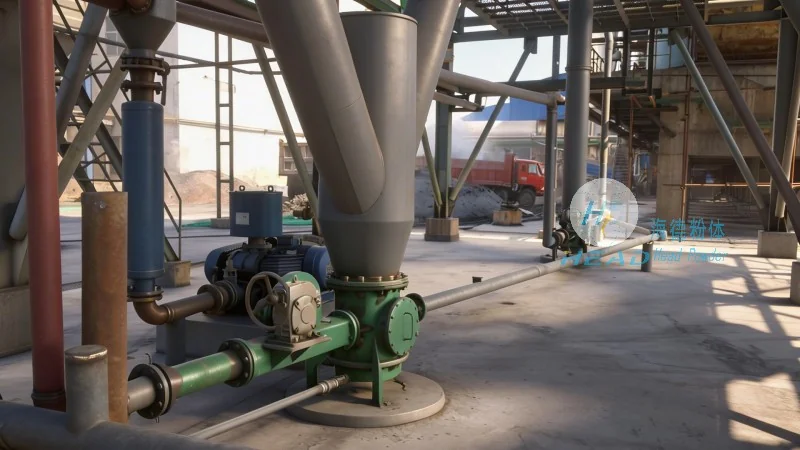
Conveying paper dust and similar materials can be achieved through several approaches, including mechanical, pneumatic, and hybrid systems. Mechanical methods, such as screw conveyors or belt conveyors, are often used for bulk materials but may not be ideal for fine, lightweight particles like paper dust due to issues like clogging and reduced efficiency. In contrast, pneumatic conveying systems utilize air or gas to transport materials, offering a more flexible and efficient solution for handling fine powders.
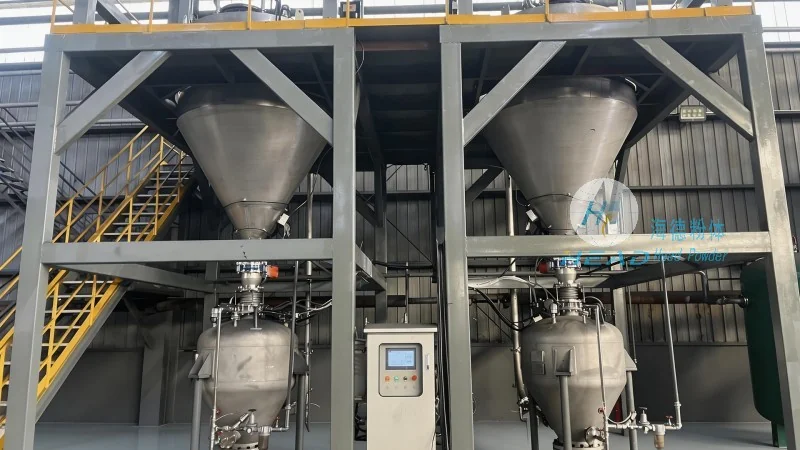
Advantages of Pneumatic Conveying for Paper Dust
Pneumatic conveying for paper dust offers several key advantages that make it a preferred choice in many industrial applications. One of the primary benefits is the ability to handle fine, dry materials without the need for additional equipment like hoppers or feeders. This reduces the risk of material buildup and improves overall system reliability. Additionally, pneumatic systems are highly adaptable, allowing for vertical, horizontal, or mixed-direction conveying, which can optimize space utilization and streamline production processes.
Key Features of Pneumatic Conveying Solutions
HeadPowder Engineering Co., Ltd., a leading manufacturer based in Shandong, China, specializes in developing advanced pneumatic conveying systems tailored to the unique needs of paper dust handling. Their solutions often include features such as positive or negative pressure operation, flexible hose or rigid pipe configurations, and integrated filtration systems to ensure clean and efficient material transport. The company's expertise in material handling technology ensures that their systems are designed to maximize throughput while minimizing maintenance and operational costs.
Operational Efficiency and Cost-Effectiveness
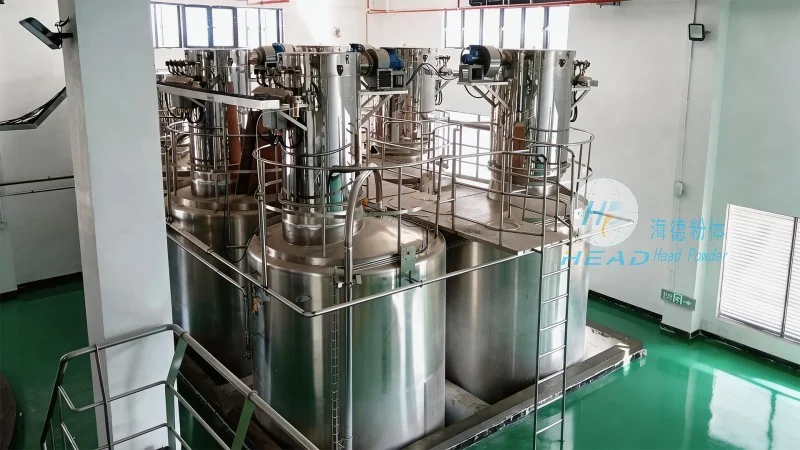
Implementing pneumatic conveying for paper dust can significantly enhance operational efficiency by reducing downtime and improving material flow consistency. Unlike mechanical systems that may require frequent cleaning or maintenance to prevent clogging, pneumatic systems can handle fine particles more effectively, leading to lower maintenance requirements over time. This translates into long-term cost savings for businesses, as fewer interruptions and reduced equipment wear contribute to a more sustainable and profitable operation.
Customization and Scalability
HeadPowder understands that each industrial application has unique requirements, which is why their pneumatic conveying solutions are highly customizable. Whether a facility needs a small-scale system for a laboratory or a large-scale system for a manufacturing plant, the company can design and implement a solution that meets specific throughput, distance, and material handling needs. This scalability ensures that businesses can expand their operations without the need for major system overhauls, providing a flexible and future-proof investment.
Environmental Considerations
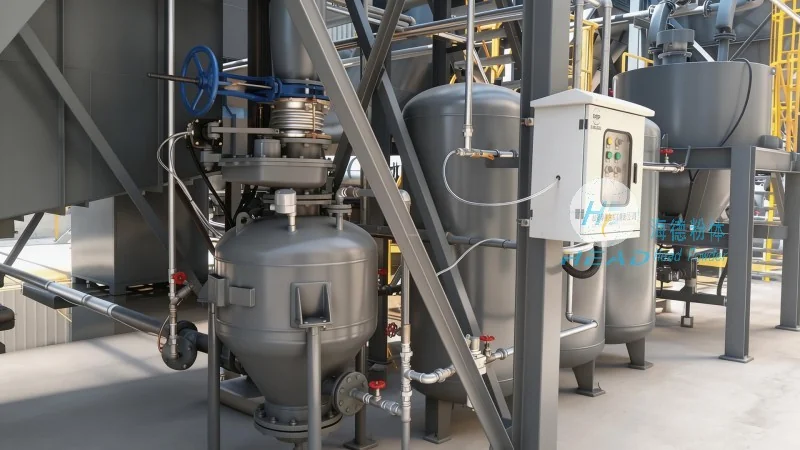
In addition to operational benefits, pneumatic conveying systems for paper dust also offer environmental advantages. By using enclosed systems with integrated filtration, these solutions help minimize dust emissions and maintain a cleaner working environment. This is particularly important in industries where air quality regulations are stringent, as it helps businesses comply with environmental standards while improving workplace safety.

 Shandong Headpowder Engineering Co., Ltd.
 156-6277-7102(Quản lý Trương)
  0531-83386006
  Thành phố Tế Nam, Tỉnh Sơn Đông, Trung Quốc
Điện thoại
WeChatTư vấn
Lên đầu