Với hơn 10 năm kinh nghiệm về vận chuyển khí nén, Headpowder Sơn Đông cung cấp hệ thống, thiết bị và quạt gió toàn chuỗi, đảm nhận các dự án kỹ thuật bột trọn gói trên toàn quốc.
Mineral slag, a byproduct of industrial processes such as steelmaking and cement production, requires efficient and reliable transportation methods to move it from production sites to storage or processing facilities. The choice of handling method significantly impacts operational efficiency, safety, and environmental compliance. Among the various options available, pneumatic conveying stands out as a versatile and effective solution for mineral slag transport.
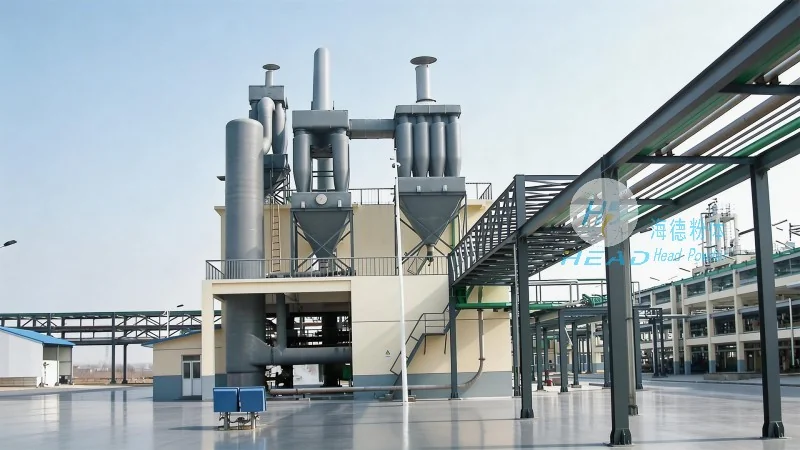
Common Methods for Mineral Slag Transportation
Traditionally, mineral slag has been transported using methods like belt conveyors, bucket elevators, and truck or rail transport. While these methods have been widely used, they often face challenges such as material degradation, high maintenance costs, and limited flexibility in handling abrasive or dusty materials. In contrast, pneumatic conveying offers a more integrated approach to slag handling, addressing many of these limitations.
The Advantages and Features of Pneumatic Conveying for Mineral Slag
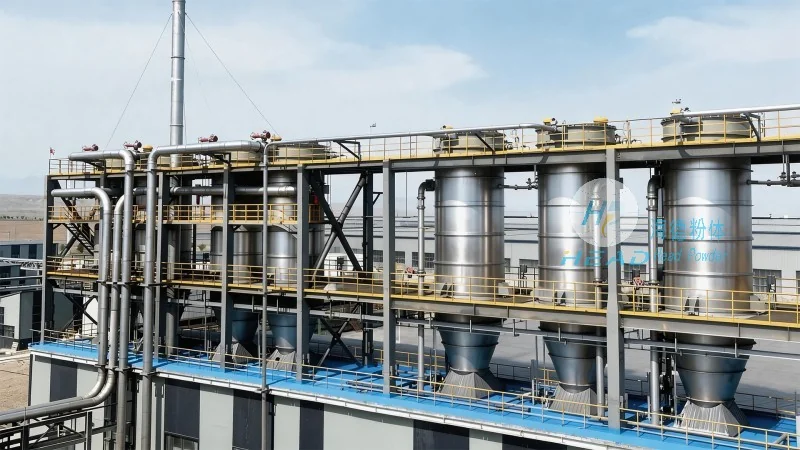
Pneumatic conveying systems utilize air or other gases to transport mineral slag through a network of pipes. This method is particularly suitable for mineral slag due to its ability to handle fine, dry, or even wet materials without the need for mechanical components that could be damaged by abrasion. The core advantages of pneumatic conveying for mineral slag include:
- **Versatility in Material Handling**: Pneumatic systems can transport a wide range of slag types, including high-temperature or corrosive materials, with minimal wear on components.
- **Reduced Maintenance and Downtime**: By eliminating moving parts like belts or buckets, the risk of mechanical failure is significantly lower, leading to lower maintenance costs and longer operational life.
- **Environmental Benefits**: Pneumatic conveying can be designed with dust collection systems, reducing airborne particulates and improving workplace safety and environmental compliance.
- **Space Efficiency**: The compact design of pneumatic systems allows for installation in confined spaces, making them ideal for facilities with limited room for traditional conveyors.
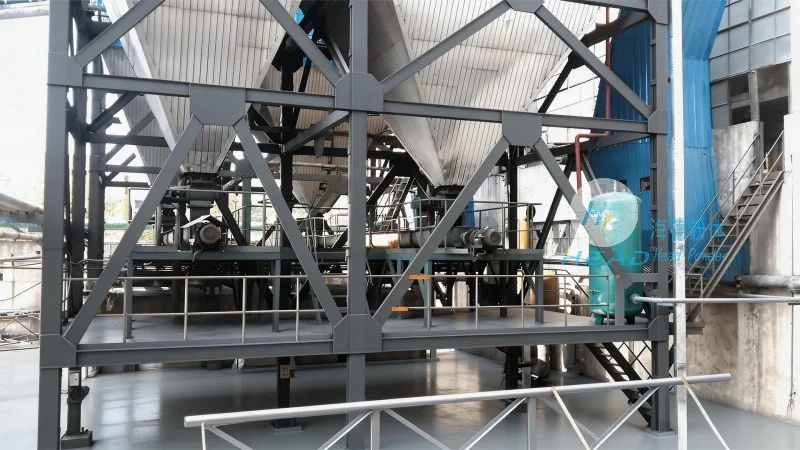
Technical Advantages of Pneumatic Conveying Systems
From a technical perspective, pneumatic conveying systems for mineral slag offer several key advantages that enhance performance and reliability. These systems typically operate using positive or negative pressure, with positive pressure systems being more common for mineral slag due to their ability to handle higher material loads and longer distances. The design of the system, including the choice of air compressor, pipeline diameter, and material feed mechanisms, is critical to achieving optimal performance.
Practical Benefits in Industrial Applications
In industrial settings, the practical benefits of pneumatic conveying for mineral slag are evident in improved workflow and cost savings. For example, in steel mills, slag is often transported from the blast furnace to storage silos or processing plants. Pneumatic systems enable this transport without the need for large, heavy machinery, reducing the risk of accidents and improving overall safety. Similarly, in cement plants, the efficient handling of slag helps maintain production schedules and reduces downtime associated with material handling.
Application Examples and Case Studies
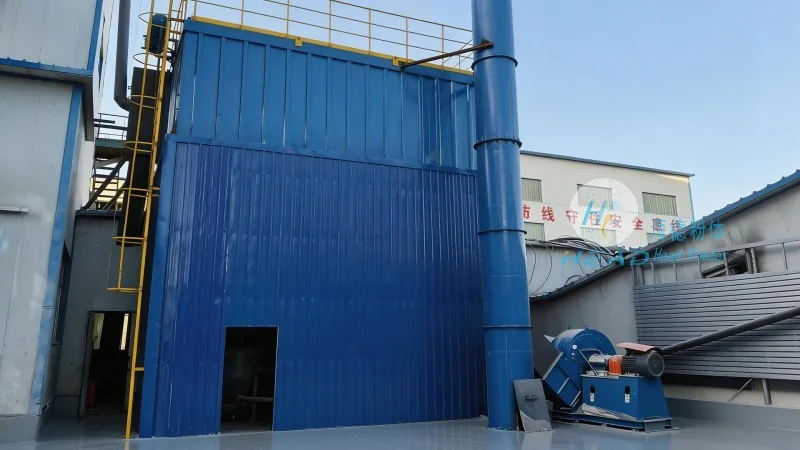
Several case studies illustrate the effectiveness of pneumatic conveying systems in mineral slag handling. One notable example involves a large steel manufacturer in China that implemented a pneumatic conveying system to transport slag from the production line to a storage facility. The system reduced material handling time by 40% and decreased maintenance costs by 30% compared to traditional methods. Another case study from a cement plant in Europe showed that pneumatic conveying improved the quality of slag by preventing material degradation during transport, leading to higher-quality cement products.
Conclusion and Company Profile
The choice of mineral slag handling method is a critical decision for industrial facilities, as it directly impacts operational efficiency and safety. Pneumatic conveying systems, as demonstrated by their advantages and real-world applications, offer a superior solution for transporting mineral slag. Shandong HeadPowder Engineering Co., Ltd., a leading provider of industrial conveying solutions, specializes in designing and manufacturing pneumatic conveying systems tailored to the specific needs of mineral slag handling. With a focus on innovation and customer satisfaction, HeadPowder has helped numerous industrial facilities improve their slag handling processes, ensuring efficiency, reliability, and compliance with industry standards. HeadPowder is committed to providing high-quality, durable, and cost-effective solutions for mineral slag transportation, serving clients across China and beyond.

 Shandong Headpowder Engineering Co., Ltd.
 156-6277-7102(Quản lý Trương)
  0531-83386006
  Thành phố Tế Nam, Tỉnh Sơn Đông, Trung Quốc
Điện thoại
WeChatTư vấn
Lên đầu