Với hơn 10 năm kinh nghiệm về vận chuyển khí nén, Headpowder Sơn Đông cung cấp hệ thống, thiết bị và quạt gió toàn chuỗi, đảm nhận các dự án kỹ thuật bột trọn gói trên toàn quốc.
When it comes to handling copper powder, selecting the right conveying method is crucial for maintaining product quality, efficiency, and safety. Copper powder is widely used in various industries, including electronics, aerospace, and metallurgy, due to its excellent conductivity and thermal properties. However, the fine and often abrasive nature of copper powder presents unique challenges during transportation. Traditional methods like belt conveyors or screw conveyors may not be suitable for copper powder due to the risk of material degradation, blockages, or contamination. This is where air-liquid conveying emerges as a superior solution, offering a range of advantages that enhance the overall conveying process.
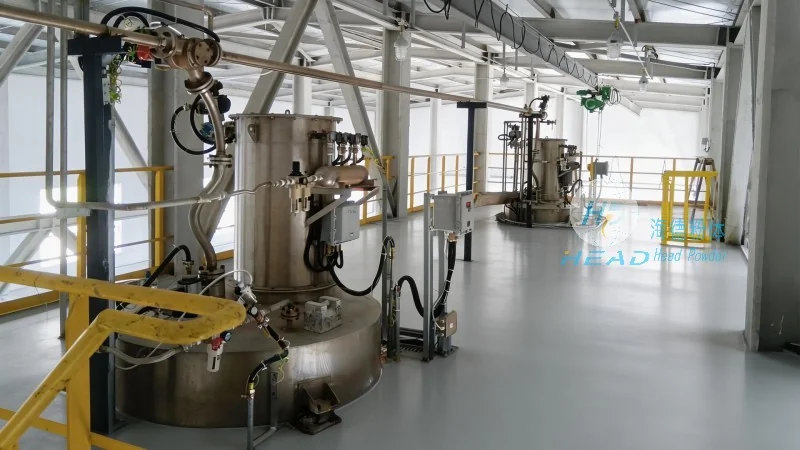
Understanding Copper Powder Conveying Methods
There are several common methods used to transport copper powder, each with its own set of characteristics and applications. The primary options include mechanical conveyors, pneumatic conveying, and hydraulic systems. Mechanical conveyors, such as belt or screw conveyors, are widely used for bulk materials but are less effective for fine powders like copper powder. They can cause particle attrition, leading to reduced product quality and increased maintenance costs. Pneumatic conveying, which uses air to move particles, is another popular choice. However, traditional pneumatic systems may struggle with high-density or abrasive powders, leading to increased energy consumption and equipment wear. Hydraulic systems, while effective for some applications, are often complex and require specialized infrastructure.
The Advantages of Air-Liquid Conveying for Copper Powder
Among the various conveying methods, air-liquid conveying stands out as the most efficient and reliable solution for copper powder transportation. This method combines the benefits of both pneumatic and hydraulic systems, leveraging a liquid medium (usually water or oil) to transport particles through a pipeline. The key advantages of air-liquid conveying for copper powder include:
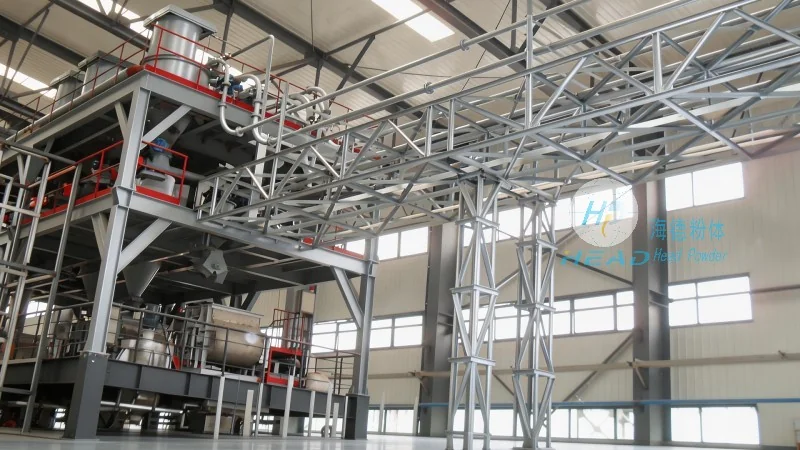
Enhanced Particle Protection: The liquid medium acts as a cushion, reducing particle-to-particle and particle-to-pipe friction. This minimizes attrition and preserves the integrity of the copper powder, ensuring that the final product meets the required specifications.
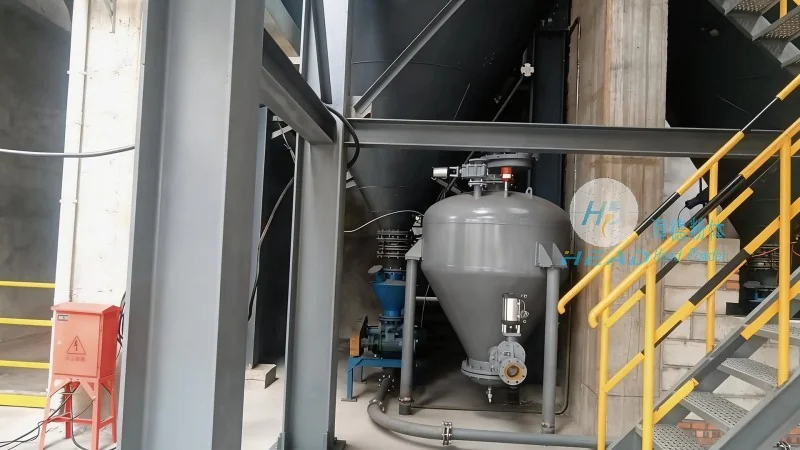
Reduced Energy Consumption: Compared to traditional pneumatic systems, air-liquid conveying requires less air pressure and energy to move the same volume of copper powder. This results in lower operational costs and a more sustainable operation.
Improved Flow Control: The liquid medium allows for precise control over the flow rate and pressure, enabling smooth and consistent transportation of copper powder. This is particularly important in applications where uniform particle distribution is critical, such as in the production of copper alloys or electronic components.
Enhanced Safety and Hygiene: Air-liquid conveying systems are designed to minimize dust generation and exposure, making them safer for operators and more hygienic for food-grade or pharmaceutical applications. The enclosed system also prevents contamination from external sources.
Reduced Maintenance: The liquid medium lubricates the pipeline, reducing wear and tear on components. This leads to lower maintenance costs and longer equipment lifespan compared to traditional pneumatic systems.
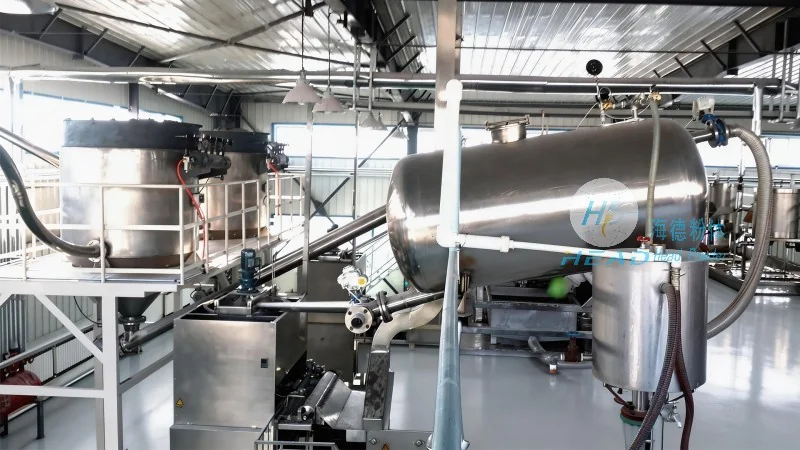
Applications of Air-Liquid Conveying in Copper Powder Handling
Air-liquid conveying is widely used in various applications involving copper powder. In the electronics industry, for example, it is used to transport copper powder for the production of printed circuit boards (PCBs) and other electronic components. The fine copper powder is required to have a consistent particle size and shape to ensure proper conductivity and thermal performance. Air-liquid conveying ensures that the powder is transported without degradation, maintaining the quality of the final product. In the aerospace industry, copper powder is used in the manufacturing of high-performance alloys and composites. The ability of air-liquid conveying to handle abrasive and high-density powders makes it ideal for these applications, where precision and reliability are paramount.
Conclusion
Choosing the right conveying method for copper powder is essential for optimizing production efficiency and maintaining product quality. While traditional methods like belt or screw conveyors may be suitable for some applications, air-liquid conveying offers a superior solution with its unique advantages. By leveraging the benefits of both pneumatic and hydraulic systems, air-liquid conveying ensures the safe, efficient, and reliable transportation of copper powder. For businesses looking to enhance their copper powder handling processes, air-liquid conveying is a cost-effective and sustainable option that delivers consistent results.

 Shandong Headpowder Engineering Co., Ltd.
 156-6277-7102(Quản lý Trương)
  0531-83386006
  Thành phố Tế Nam, Tỉnh Sơn Đông, Trung Quốc
Điện thoại
WeChatTư vấn
Lên đầu