Với hơn 10 năm kinh nghiệm về vận chuyển khí nén, Headpowder Sơn Đông cung cấp hệ thống, thiết bị và quạt gió toàn chuỗi, đảm nhận các dự án kỹ thuật bột trọn gói trên toàn quốc.
For bakeries and food processing facilities, the efficient and reliable transport of baking flour is crucial to maintaining production quality and operational efficiency. Shandong HeadPowder Engineering Co., Ltd., a leading provider in the industry, specializes in developing tailored conveying systems that address the unique challenges of handling baking flour. This article explores the various methods employed for baking flour conveying, highlighting the expertise and solutions offered by HeadPowder.
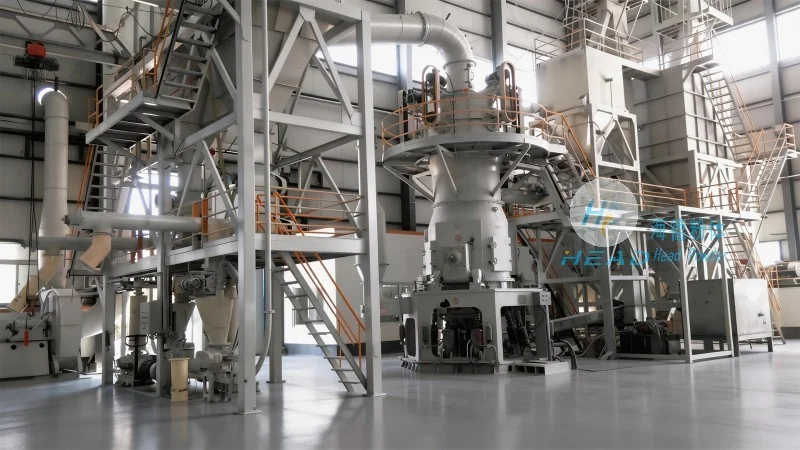
Common Conveying Methods for Baking Flour
Baking flour, with its fine texture and potential for dust accumulation, requires specialized equipment to ensure safe and effective transport. Several common methods are widely used in the industry, each with its own advantages and applications. The primary methods include:
Pneumatic Conveying: This method uses air pressure to move flour through a network of pipes. It is ideal for long-distance transport and can handle both bulk and small quantities. Pneumatic systems are particularly effective in preventing product contamination and maintaining hygiene standards.
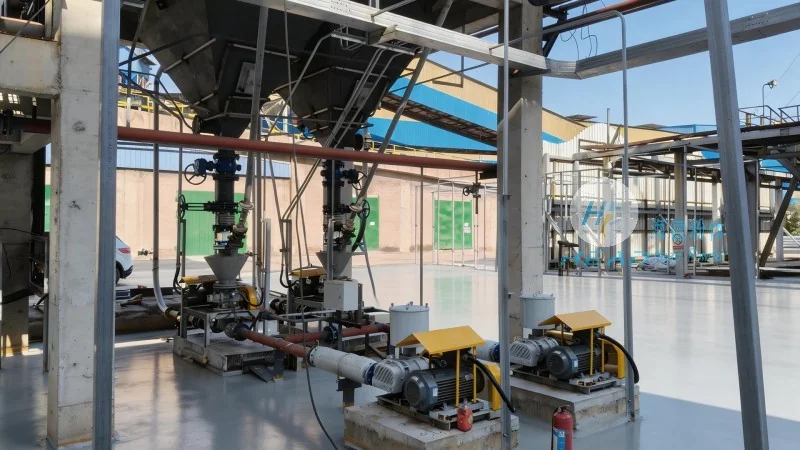
Mechanical Conveying: Mechanical systems, such as belt conveyors and screw conveyors, are commonly used for horizontal and vertical transport. These systems are robust and suitable for high-volume applications. Screw conveyors, for instance, are excellent for moving flour in a controlled manner, minimizing segregation and spillage.
Vibrating Conveyors: Vibrating conveyors use vibration to move flour along a trough. They are effective for handling bulk materials and can be adjusted to control the flow rate. This method is particularly useful in preventing material buildup and ensuring consistent delivery.
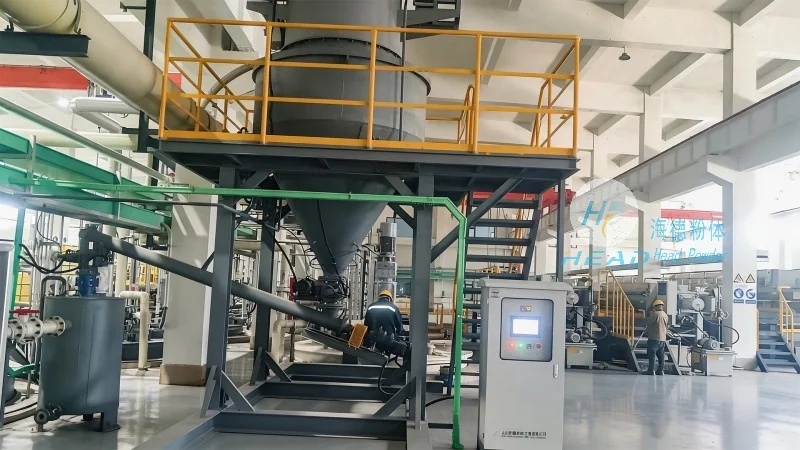
Gravity Conveyors: Gravity systems rely on the natural slope of the conveyor to move flour. They are simple and cost-effective for short distances and low volumes. While less common for large-scale operations, they are suitable for specific applications where minimal energy is required.
Key Considerations for Choosing a Conveying Method
When selecting a conveying method for baking flour, several factors must be considered to ensure optimal performance. These include the volume of flour to be transported, the distance between processing and storage areas, the need for dust control, and the overall hygiene requirements of the facility. Shandong HeadPowder Engineering Co., Ltd. offers comprehensive assessments to help clients choose the most suitable method based on their specific operational needs.
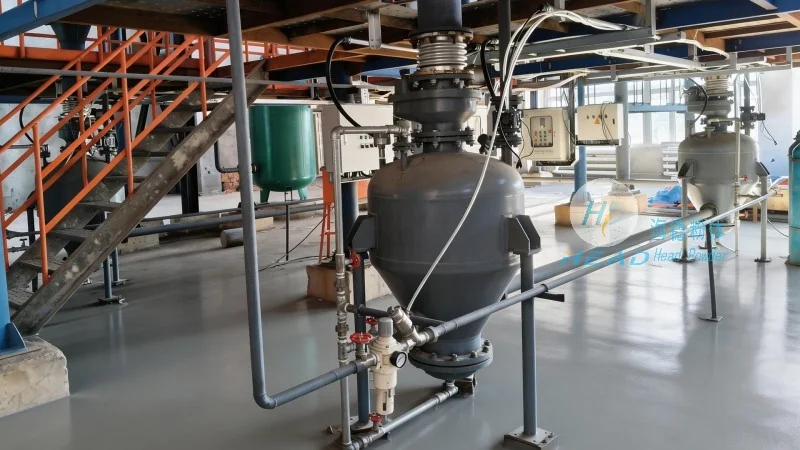
HeadPowder's Expertise in Baking Flour Conveying
HeadPowder, with its headquarters in Shandong, China, has built a reputation for delivering high-quality conveying solutions tailored to the baking industry. The company's team of engineers and technicians work closely with clients to understand their unique challenges and develop customized systems. Whether it's upgrading an existing conveyor or designing a new system from scratch, HeadPowder provides end-to-end support, including installation, maintenance, and technical training.
Conclusion
Efficient baking flour conveying is essential for maintaining the quality and consistency of baked goods. By leveraging the right conveying method, bakeries can enhance productivity, reduce operational costs, and ensure compliance with industry standards. Shandong HeadPowder Engineering Co., Ltd. stands ready to assist with the development and implementation of effective conveying solutions, helping businesses achieve their operational goals with confidence.

 Shandong Headpowder Engineering Co., Ltd.
 156-6277-7102(Quản lý Trương)
  0531-83386006
  Thành phố Tế Nam, Tỉnh Sơn Đông, Trung Quốc
Điện thoại
WeChatTư vấn
Lên đầu