Với hơn 10 năm kinh nghiệm về vận chuyển khí nén, Headpowder Sơn Đông cung cấp hệ thống, thiết bị và quạt gió toàn chuỗi, đảm nhận các dự án kỹ thuật bột trọn gói trên toàn quốc.
Forage transport is a critical process in agricultural operations, ensuring that livestock feed is efficiently moved from storage to feeding areas. The choice of transport method can significantly impact operational efficiency, cost, and animal welfare. This article explores various forage transport options, highlighting the capabilities and considerations of each approach, with a focus on solutions provided by Shandong HeadPowder Engineering Co., Ltd., a leading manufacturer of forage handling equipment based in Shandong, China.
Overview of Forage Transport Options
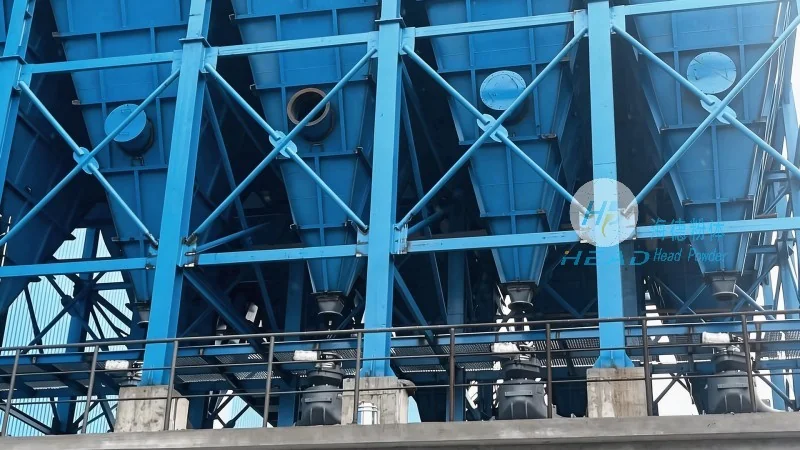
Forage transport systems are designed to handle different types of forage, including hay, silage, and dried forage, with varying moisture content and bulk density. The primary goal is to move large volumes of feed with minimal labor and equipment wear. Several methods are commonly employed in the industry, each with its own advantages and applications.
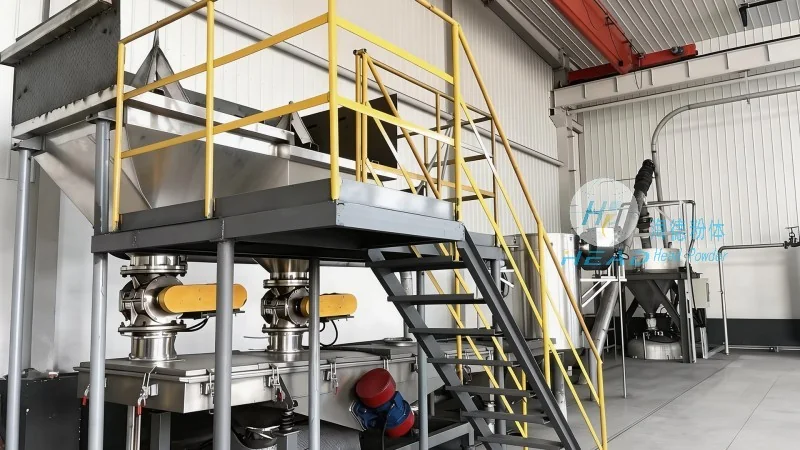
1. Mechanical Conveyors: The Workhorse of Forage Handling
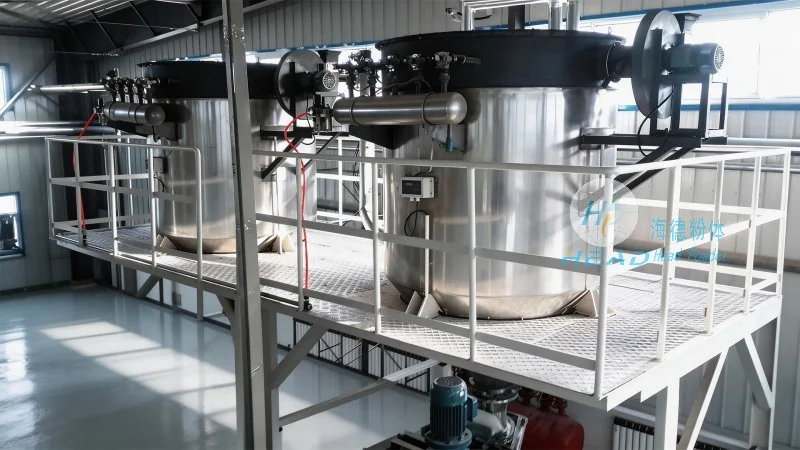
Mechanical conveyors, such as belt conveyors and screw conveyors, are widely used for forage transport due to their reliability and ability to handle bulk materials. Belt conveyors use a continuous belt to move forage along a path, making them suitable for horizontal and slight incline transport. They are particularly effective for transporting dry hay or chopped silage over short to medium distances. The design of these conveyors allows for adjustable speed and capacity, enabling operators to match the flow rate with the needs of the feeding system. For instance, a belt conveyor with a wide belt and robust rollers can handle large bales or loose forage without compromising efficiency. The mechanical design minimizes the risk of material damage, preserving the nutritional value of the forage. Shandong HeadPowder Engineering Co., Ltd. offers a range of mechanical conveyors tailored to different farm sizes and forage types, ensuring that farmers can find a solution that meets their specific needs.
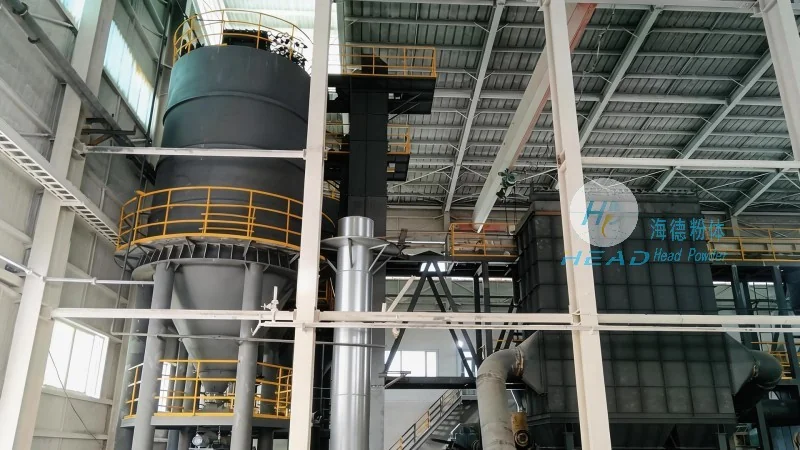
2. Pneumatic Conveying Systems: Air-Based Transport Solutions
Pneumatic conveying systems utilize air pressure to transport forage through a network of pipes. This method is ideal for moving dry forage over longer distances or to elevated storage areas. The system typically consists of a blower, a hopper for material loading, and a discharge point. As air is forced through the pipe, it carries the forage particles, allowing for a relatively dust-free and low-maintenance operation. Pneumatic conveyors are particularly useful in environments where ground-level transport is impractical or where the forage needs to be delivered to a specific location without manual handling. The flexibility of the pipe network enables easy integration with existing farm layouts, and the system can be scaled to accommodate varying feed volumes. However, the initial investment and energy consumption are higher compared to mechanical conveyors, and the system requires regular maintenance to prevent blockages and ensure consistent performance. Shandong HeadPowder Engineering Co., Ltd. provides advanced pneumatic conveying systems that combine efficiency with durability, suitable for large-scale operations.

 Shandong Headpowder Engineering Co., Ltd.
 156-6277-7102(Quản lý Trương)
  0531-83386006
  Thành phố Tế Nam, Tỉnh Sơn Đông, Trung Quốc
Điện thoại
WeChatTư vấn
Lên đầu