Với hơn 10 năm kinh nghiệm về vận chuyển khí nén, Headpowder Sơn Đông cung cấp hệ thống, thiết bị và quạt gió toàn chuỗi, đảm nhận các dự án kỹ thuật bột trọn gói trên toàn quốc.
High-calcium material transport is a critical process in various industrial applications, particularly in the mining, chemical, and food processing sectors. The efficient and safe handling of high-calcium materials requires specialized equipment and methods to ensure optimal performance and minimize operational risks. This article explores several effective methods for transporting high-calcium materials, highlighting the key considerations and technologies used in modern industrial practices.
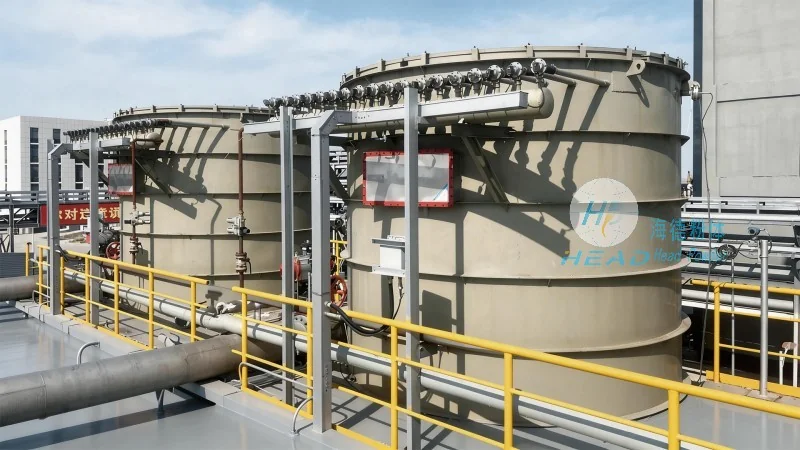
Understanding High-Calcium Materials and Their Transport Challenges
High-calcium materials, such as limestone, calcium carbonate, and certain types of ores, are characterized by their high density, abrasive properties, and potential for dust generation. These characteristics make traditional transport methods less effective and may lead to equipment wear, blockages, or safety hazards. Therefore, selecting the appropriate transport method is crucial for maintaining productivity and ensuring compliance with safety regulations.
Common Methods for High-Calcium Material Transport
Several transport methods are commonly employed for high-calcium materials, each with its own advantages and limitations. The choice of method depends on factors like material properties, distance, volume, and the specific requirements of the application. Below are some of the most widely used approaches:
Pneumatic Conveying Systems
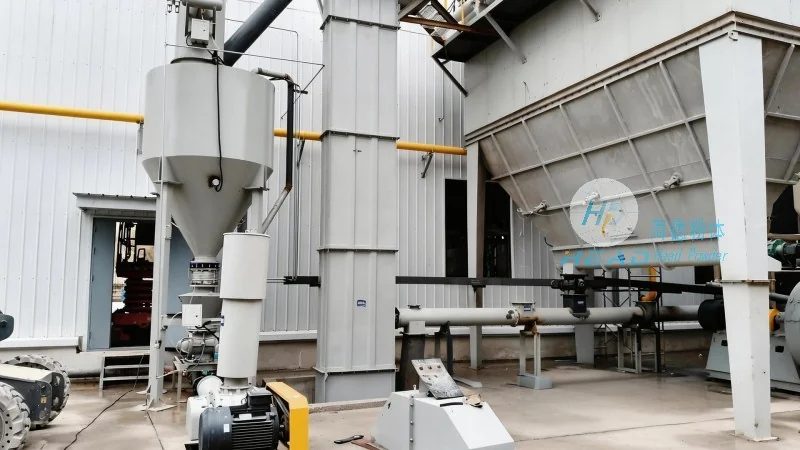
Pneumatic conveying, also known as air-assisted transport, is a popular method for transporting high-calcium materials, especially in applications where dust control and flexibility are essential. This system uses compressed air to move material through a pipeline, allowing for both positive and negative pressure operation. Positive pressure systems push material forward using air, while negative pressure systems draw material into the system. Pneumatic conveyors are particularly effective for fine powders and can handle high volumes with minimal maintenance. However, they may require higher energy input and can be less efficient for very large particles.
Screw Conveyors
Screw conveyors, or auger conveyors, are another common solution for high-calcium material transport. These systems use a rotating screw to move material along a trough or tube. Screw conveyors are well-suited for bulk materials and can handle a wide range of particle sizes, including high-calcium powders and granules. They are relatively simple in design, easy to install, and can operate in both horizontal and inclined positions. However, screw conveyors may experience wear from abrasive materials and can be less effective for very fine powders that tend to settle or clog the screw.
Pipe Conveyors (Troughed Belts)
Pipe conveyors, also known as troughed belt conveyors, are an advanced form of belt conveyor designed to transport materials in a closed pipe system. This method is highly effective for high-calcium materials as it minimizes dust exposure and provides a continuous, enclosed transport path. The system uses a flexible belt that runs inside a troughed pipe, with the material being carried along the belt. Pipe conveyors are ideal for long-distance transport and can handle high volumes with low maintenance. They are particularly suitable for materials that are prone to dust generation or require a clean, controlled environment.
Hydraulic Conveying
Hydraulic conveying is a less common but effective method for transporting high-calcium materials, especially in applications where water is readily available or where the material is highly soluble. This system uses a slurry of the material mixed with water to transport it through a pipeline. Hydraulic conveyors are capable of handling large volumes of material over long distances and can be more energy-efficient than pneumatic systems. However, they require additional equipment for slurry preparation and may not be suitable for materials that are not water-soluble or that degrade in a wet environment.
Selection Criteria for High-Calcium Material Transport Systems
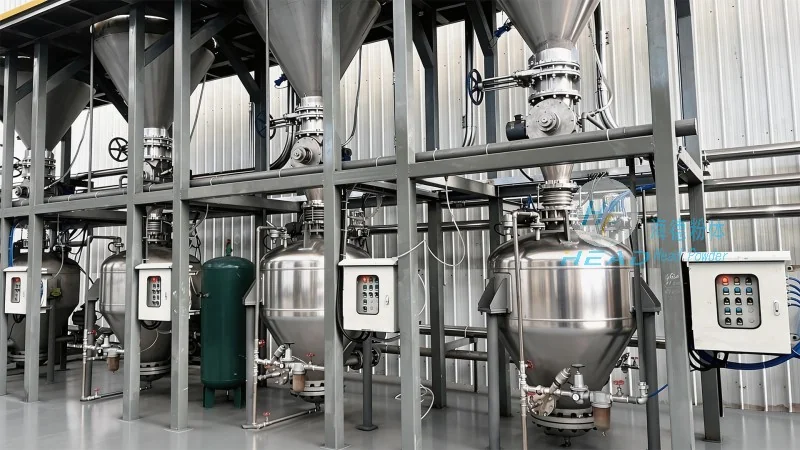
When selecting a transport method for high-calcium materials, several factors must be considered to ensure optimal performance and cost-effectiveness. These include the physical properties of the material (such as particle size, density, and moisture content), the distance and volume of transport required, the need for dust control or environmental compliance, and the available space and budget for installation. Additionally, the system's maintenance requirements, energy consumption, and compatibility with existing infrastructure should be evaluated.
Role of Shandong HeadPowder Engineering Co., Ltd. in High-Calcium Transport Solutions
Shandong HeadPowder Engineering Co., Ltd., a leading provider of industrial equipment and solutions, specializes in designing and manufacturing transport systems tailored to the unique needs of high-calcium material handling. With years of experience in the industry, the company offers a range of products and services that address the challenges associated with transporting high-calcium materials. Their expertise includes the design of customized pneumatic conveying systems, screw conveyors, and pipe conveyors, as well as the provision of maintenance and support services. By leveraging advanced technology and a deep understanding of material properties, HeadPowder ensures that their solutions are efficient, reliable, and safe for industrial applications.
Conclusion
Effective high-calcium material transport is essential for maintaining productivity and safety in industrial operations. By selecting the appropriate transport method and leveraging specialized equipment, companies can optimize their material handling processes. Shandong HeadPowder Engineering Co., Ltd. stands as a trusted partner in providing innovative and reliable transport solutions for high-calcium materials, helping businesses achieve their operational goals while adhering to industry standards and regulations.

 Shandong Headpowder Engineering Co., Ltd.
 156-6277-7102(Quản lý Trương)
  0531-83386006
  Thành phố Tế Nam, Tỉnh Sơn Đông, Trung Quốc
Điện thoại
WeChatTư vấn
Lên đầu