Với hơn 10 năm kinh nghiệm về vận chuyển khí nén, Headpowder Sơn Đông cung cấp hệ thống, thiết bị và quạt gió toàn chuỗi, đảm nhận các dự án kỹ thuật bột trọn gói trên toàn quốc.
Graphene, a two-dimensional material with exceptional mechanical, electrical, and thermal properties, has found widespread applications in various industries. The efficient delivery of graphene into target materials is a critical step in realizing its full potential. This article provides a detailed comparison of common graphene delivery methods, highlighting their advantages and disadvantages to help users select the most suitable approach for their specific applications.
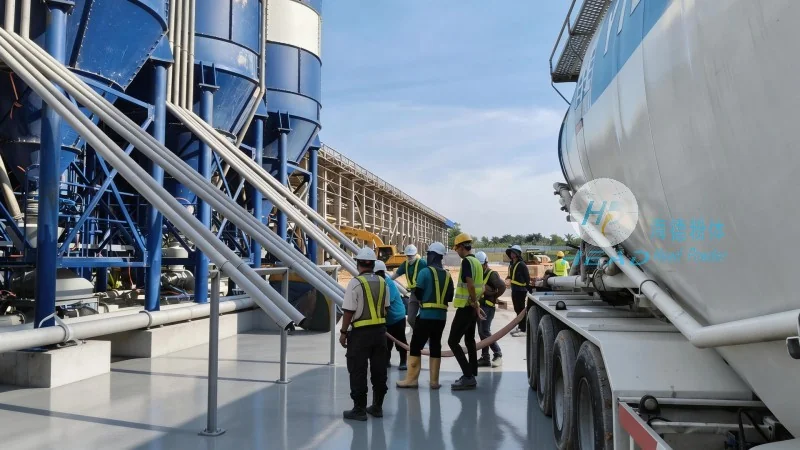
Introduction to Graphene Delivery Methods
Graphene delivery refers to the process of transferring graphene sheets or dispersions into a host matrix or substrate. The choice of delivery method significantly impacts the final properties of the composite material. Common methods include solution processing, gas-phase deposition, and dry powder handling. Each method has its unique characteristics, making it suitable for different applications and processing conditions.
Solution-Based Delivery Method
Solution-based delivery involves dispersing graphene in a liquid medium, such as water or organic solvents, and then applying the solution to the target material. This method is widely used due to its simplicity and compatibility with various processing techniques. The key advantages of solution-based delivery include excellent processability, uniform dispersion, and the ability to integrate graphene into polymer matrices or coatings. For instance, the solution can be sprayed, dip-coated, or spin-coated onto substrates, ensuring a consistent graphene loading. However, this method has limitations, particularly in terms of scalability and the need for post-treatment to remove residual solvents. The environmental impact of solvent usage and the potential for oxidation during storage are also concerns that need to be addressed.
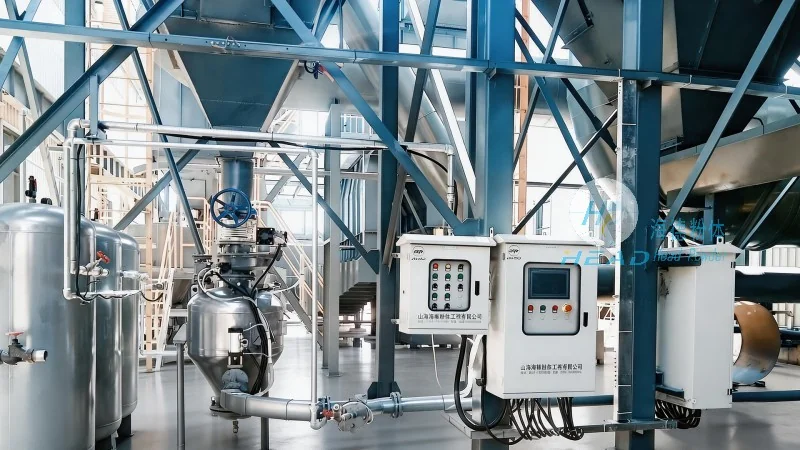
Gas-Phase Deposition Method
Gas-phase deposition, also known as chemical vapor deposition (CVD), involves the growth of graphene on a substrate from gaseous precursors. This method is commonly used for producing high-quality, large-area graphene films. The primary advantage of gas-phase deposition is the ability to achieve high purity and uniformity, which is crucial for applications requiring precise electronic properties. The deposited graphene can be directly integrated into devices without further processing, reducing the risk of contamination. However, this method is typically expensive and requires specialized equipment, limiting its use in large-scale production. Additionally, controlling the thickness and morphology of the graphene film is challenging, and the process is energy-intensive, making it less suitable for cost-sensitive applications.
Dry Powder Handling Method
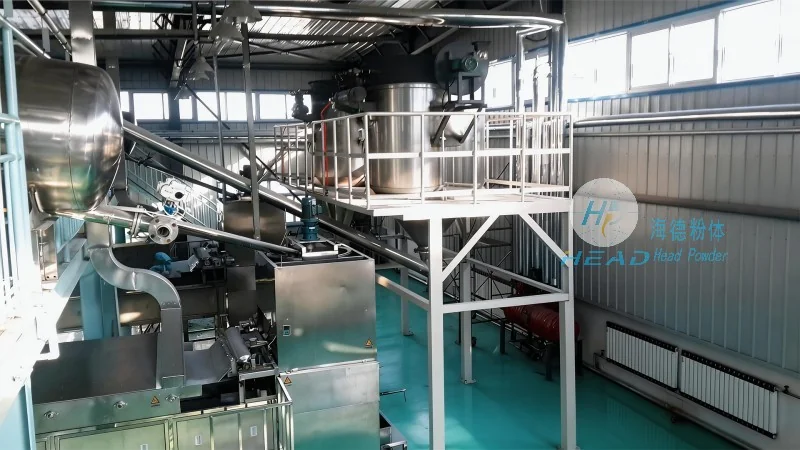
Dry powder handling involves the direct mixing of graphene powder with a host material, such as polymers or ceramics, without the use of solvents. This method is preferred for applications where solvent-free processing is essential, such as in food packaging or medical devices. The main advantage of dry powder delivery is its simplicity and cost-effectiveness, as it eliminates the need for solvent handling and post-treatment. It also allows for easy scaling up, as the powder can be mixed in bulk. However, the uniform dispersion of graphene in the powder form is a significant challenge. Agglomeration of graphene sheets can occur during mixing, leading to uneven distribution and reduced performance. Achieving a stable dispersion often requires the use of surfactants or other additives, which may introduce additional steps and costs. The mechanical properties of the composite may also be affected by the particle size and distribution of the graphene powder.
Comparison and Selection Criteria
When selecting a graphene delivery method, several factors must be considered, including the target application, processing requirements, and cost constraints. Solution-based delivery is ideal for applications requiring uniform dispersion and ease of processing, such as flexible electronics and coatings. Gas-phase deposition is preferred for high-performance applications where purity and uniformity are critical, such as in semiconductor devices. Dry powder handling is suitable for applications where solvent-free processing is mandatory, such as in food and medical industries. The choice ultimately depends on the balance between performance, cost, and scalability.
Conclusion
Each graphene delivery method has its own set of advantages and disadvantages, and the optimal choice depends on the specific requirements of the application. Understanding these differences is essential for maximizing the benefits of graphene in various industries. As the demand for graphene-based materials continues to grow, further research and development are needed to improve the efficiency and cost-effectiveness of these delivery methods. Shandong HeadPowder Engineering Co., Ltd., a leading provider of graphene-based solutions, offers a range of delivery methods tailored to meet the diverse needs of customers. With its expertise in graphene processing and application, the company is committed to providing high-quality graphene products and technical support to help users achieve their performance goals.

 Shandong Headpowder Engineering Co., Ltd.
 156-6277-7102(Quản lý Trương)
  0531-83386006
  Thành phố Tế Nam, Tỉnh Sơn Đông, Trung Quốc
Điện thoại
WeChatTư vấn
Lên đầu