Với hơn 10 năm kinh nghiệm về vận chuyển khí nén, Headpowder Sơn Đông cung cấp hệ thống, thiết bị và quạt gió toàn chuỗi, đảm nhận các dự án kỹ thuật bột trọn gói trên toàn quốc.
When it comes to the efficient and reliable transportation of sodium sulphate, also known as Glauber's salt, selecting the right conveying method is crucial for industrial operations. The choice of conveying system directly impacts productivity, cost-effectiveness, and the overall safety of the process. Shandong HeadPowder Engineering Co., Ltd., a leading manufacturer based in Shandong, China, specializes in providing tailored solutions for sodium sulphate handling and transportation. This article provides a detailed comparison of common sodium sulphate conveying methods, highlighting their respective advantages and disadvantages to help industrial clients make informed decisions.
Overview of Sodium Sulphate and Conveying Needs
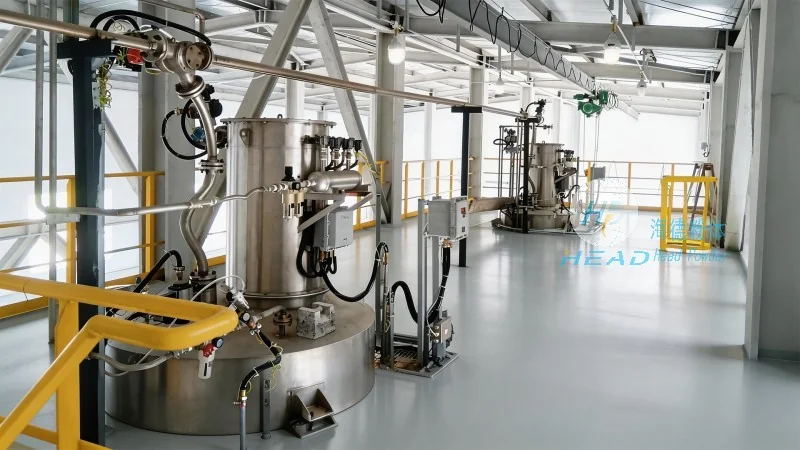
Sodium sulphate, with the chemical formula Na₂SO₄, is a widely used industrial chemical in applications such as glass manufacturing, detergents, and chemical synthesis. Its bulk nature and varying particle sizes make it essential to employ appropriate conveying technologies to ensure smooth and efficient material movement. The primary goal of any conveying system is to transport sodium sulphate from storage or processing units to the next stage of production without compromising quality or safety. Shandong HeadPowder Engineering Co., Ltd. understands these needs and offers a range of conveying solutions designed to meet the specific requirements of industrial clients.
Common Conveying Methods for Sodium Sulphate
The most prevalent methods for conveying sodium sulphate include screw conveyors, pneumatic (air) conveying systems, and pump-based systems. Each method has distinct characteristics that make it suitable for different operational scenarios. The following sections provide a detailed analysis of these methods, focusing on their advantages and disadvantages.
Screw Conveyors: A Traditional and Reliable Option
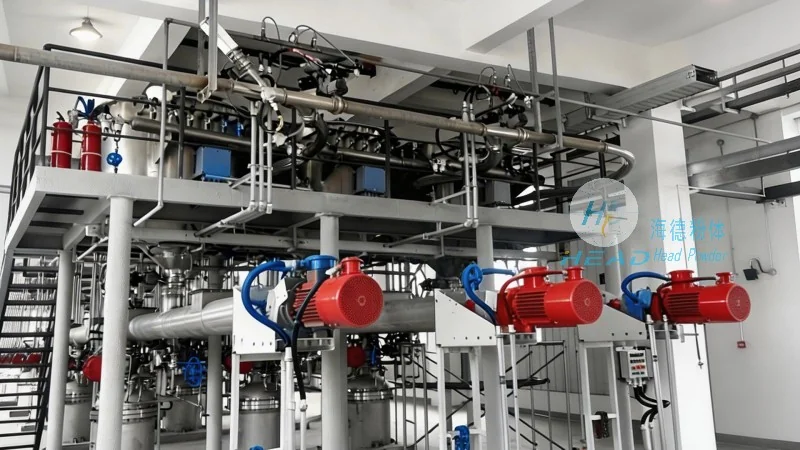
Screw conveyors, also known as auger conveyors, are one of the most common and traditional methods for transporting bulk materials like sodium sulphate. These systems consist of a rotating screw (auger) enclosed in a trough, which moves material forward through the conveyor. The screw's rotation creates a pushing action, ensuring continuous and controlled movement of the material. Shandong HeadPowder Engineering Co., Ltd. offers high-quality screw conveyors designed to handle sodium sulphate efficiently, with features such as corrosion-resistant materials and adjustable speed controls.
Advantages of screw conveyors include their simplicity, low maintenance requirements, and ability to operate in a vertical or horizontal configuration. They are particularly suitable for short to medium conveying distances and can handle a wide range of particle sizes. Additionally, screw conveyors are relatively inexpensive to install and maintain, making them an attractive option for many industrial applications.
However, screw conveyors have several limitations. They are not suitable for long-distance conveying due to the friction and energy losses associated with the rotating screw. The system can also experience blockages if the material is too fine or contains excessive moisture. Furthermore, screw conveyors may not be ideal for abrasive or corrosive materials, as the screw and trough can wear out quickly. In such cases, alternative methods may be more appropriate.
Pneumatic Conveying Systems: Ideal for Dust-Free and High-Speed Transport
Pneumatic conveying systems use air or other gases to transport sodium sulphate in a closed pipeline. This method is particularly effective for applications requiring dust-free or enclosed transport, as it prevents material from being exposed to the environment. The system typically consists of a hopper, a blower, and a pipeline with appropriate valves and filters. Shandong HeadPowder Engineering Co., Ltd. specializes in designing and manufacturing pneumatic conveying systems tailored to the needs of sodium sulphate handling, ensuring efficient and clean transport.
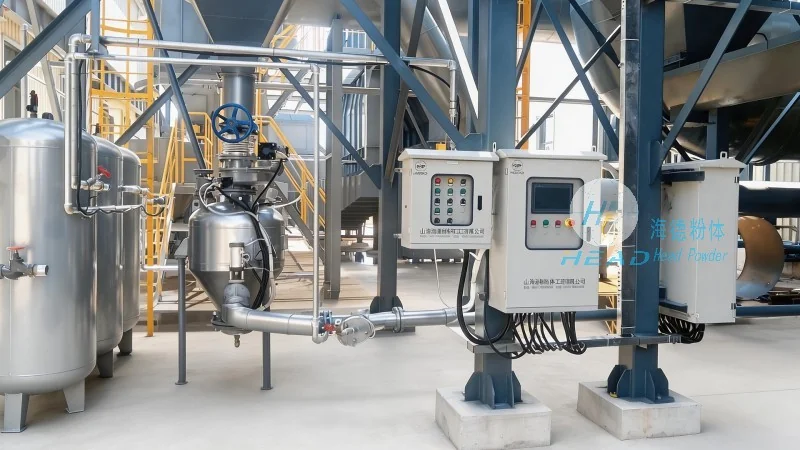
One of the key advantages of pneumatic conveying is its ability to transport material over long distances with minimal loss. The system can achieve high speeds, allowing for rapid material movement and increased productivity. Pneumatic conveying also offers flexibility in terms of layout, as the pipeline can be installed in various configurations to suit the plant layout. Additionally, this method is well-suited for handling fine or powdery sodium sulphate, as the air flow prevents clogging and ensures consistent material flow.
Despite these benefits, pneumatic conveying has its drawbacks. The system requires significant energy input, as the blower must generate sufficient air pressure to move the material. This can lead to higher operational costs compared to other methods. Moreover, the system is more complex to install and maintain, as it involves components such as blowers, filters, and pipelines that need regular inspection and maintenance. Another limitation is that the system may not be suitable for very large or heavy particles, as the air flow may not be sufficient to move them effectively.
Pump-Based Conveying Systems: Effective for Liquified or Slurry Applications
Pump-based systems, such as slurry pumps or positive displacement pumps, are used to transport sodium sulphate when it is in a liquid or slurry form. These systems are particularly useful when the material needs to be mixed with water or other liquids to create a slurry for easier handling. Shandong HeadPowder Engineering Co., Ltd. provides a range of pump-based solutions for sodium sulphate transportation, including centrifugal pumps and diaphragm pumps, designed to handle the specific properties of the material.
The primary advantage of pump-based conveying is its ability to handle viscous or abrasive materials, which may be difficult to transport using other methods. Pumps can maintain a consistent flow rate, ensuring reliable material delivery to the next stage of production. This method is also suitable for long-distance conveying, as pumps can generate sufficient pressure to move the slurry over considerable distances. Additionally, pump-based systems are relatively easy to control and adjust, allowing for precise regulation of the material flow rate.
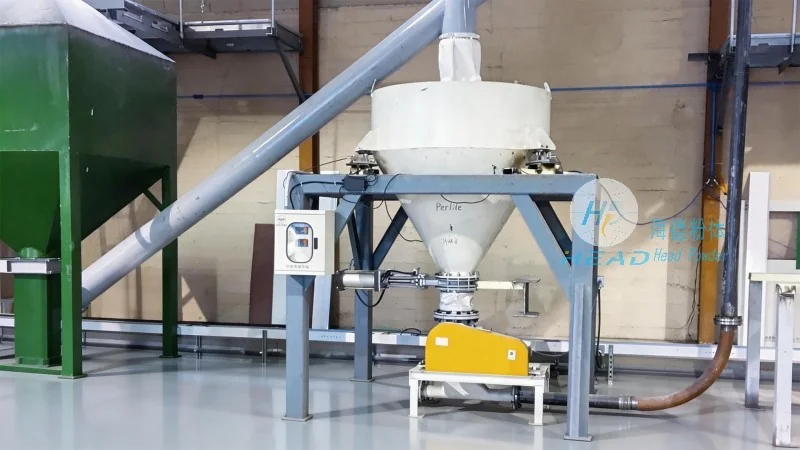
However, pump-based systems have their limitations. They require a liquid medium (water or other liquids) to transport the material, which may not be feasible in all applications. The system is also more complex to operate, as it involves pumps, pipelines, and control systems that need regular maintenance. Furthermore, pump-based systems may not be suitable for dry sodium sulphate, as the material may not be fully slurry-formable without additional processing.
Choosing the Right Conveying Method for Sodium Sulphate
When selecting a conveying method for sodium sulphate, industrial clients must consider several factors, including the distance to be covered, the particle size and characteristics of the material, the required flow rate, and the overall cost of operation. Shandong HeadPowder Engineering Co., Ltd. recommends conducting a thorough analysis of these factors to determine the most suitable conveying system. For short distances and moderate flow rates, screw conveyors may be the most cost-effective option. For long distances or high-speed transport, pneumatic conveying systems offer superior performance. For applications involving liquid or slurry forms, pump-based systems are the ideal choice.
It is also important to consider the specific properties of sodium sulphate, such as its abrasiveness or tendency to clump, when choosing a conveying method. For example, if the material is highly abrasive, a screw conveyor with corrosion-resistant materials may be necessary to prevent wear and tear. Similarly, if the material is prone to clumping, a pneumatic system with appropriate air flow and filters may be more effective in preventing blockages.
Conclusion
In conclusion, the choice of sodium sulphate conveying method significantly impacts the efficiency and reliability of industrial operations. Shandong HeadPowder Engineering Co., Ltd. provides a range of conveying solutions tailored to the specific needs of clients, ensuring optimal performance and cost-effectiveness. By understanding the advantages and disadvantages of each method, industrial clients can make informed decisions that enhance their production processes and improve overall operational efficiency.

 Shandong Headpowder Engineering Co., Ltd.
 156-6277-7102(Quản lý Trương)
  0531-83386006
  Thành phố Tế Nam, Tỉnh Sơn Đông, Trung Quốc
Điện thoại
WeChatTư vấn
Lên đầu