Với hơn 10 năm kinh nghiệm về vận chuyển khí nén, Headpowder Sơn Đông cung cấp hệ thống, thiết bị và quạt gió toàn chuỗi, đảm nhận các dự án kỹ thuật bột trọn gói trên toàn quốc.
Biomass pellets are a critical component of renewable energy infrastructure, and efficient conveying is essential for their handling in industrial processes. The methods used to transport these pellets vary based on factors like material properties, plant size, and operational requirements. Understanding these conveying methods is vital for optimizing production efficiency and minimizing operational costs.
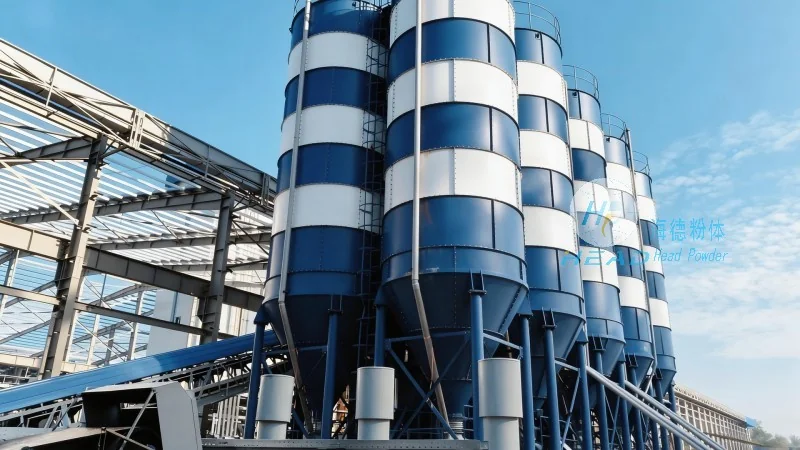
1. Screw Conveyors for Biomass Pellet Transport
One of the most common mechanical conveying systems for biomass pellets is the screw conveyor. This equipment uses a rotating helical screw to move pellets along a trough. The design allows for gentle handling of the pellets, reducing breakage and maintaining product integrity. Screw conveyors are particularly suitable for horizontal or slight incline transport, making them ideal for feeding systems in pellet mills or storage silos. The robust construction of these conveyors ensures durability in high-volume applications, and they can be customized with different screw diameters and speeds to match specific material flow rates. As a leading provider in the industry, Shandong HeadPowder Engineering Co., Ltd. (HeadPowder) offers high-quality screw conveyors engineered to meet the demanding needs of biomass processing facilities.
2. Pneumatic Conveying Systems
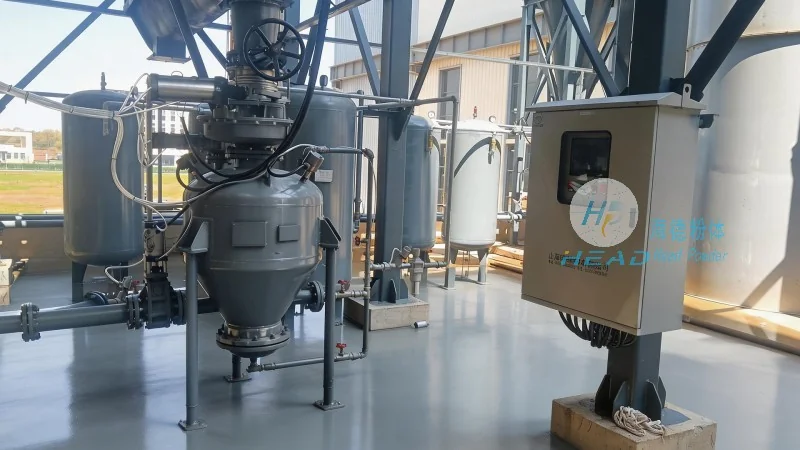
For applications requiring long-distance or vertical transport, pneumatic conveying systems are often preferred. These systems use air pressure to move biomass pellets through a pipeline. There are two main types: positive displacement and pressure-assisted systems. Positive displacement systems use a pump to create a vacuum or pressure, while pressure-assisted systems rely on compressed air to push the material. Pneumatic conveyors are efficient for handling fine or dusty pellets and can be integrated with dust collection systems to maintain air quality. HeadPowder specializes in designing and manufacturing pneumatic conveying solutions tailored to the unique characteristics of biomass pellets, ensuring reliable and low-maintenance operation.
3. Belt Conveyors
Belt conveyors are another effective method for transporting biomass pellets, especially in large-scale operations. These systems use a continuous belt to move pellets horizontally or at a slight angle. The design is simple and reliable, making it suitable for high-capacity applications. Belt conveyors can be equipped with idlers and tensioning mechanisms to handle heavy loads and maintain proper alignment. They are often used in combination with other equipment, such as feeders or elevators, to form a complete material handling system. HeadPowder’s belt conveyor solutions are built with durable materials and advanced control systems, ensuring consistent performance in demanding industrial environments.
4. Gravity Conveyors
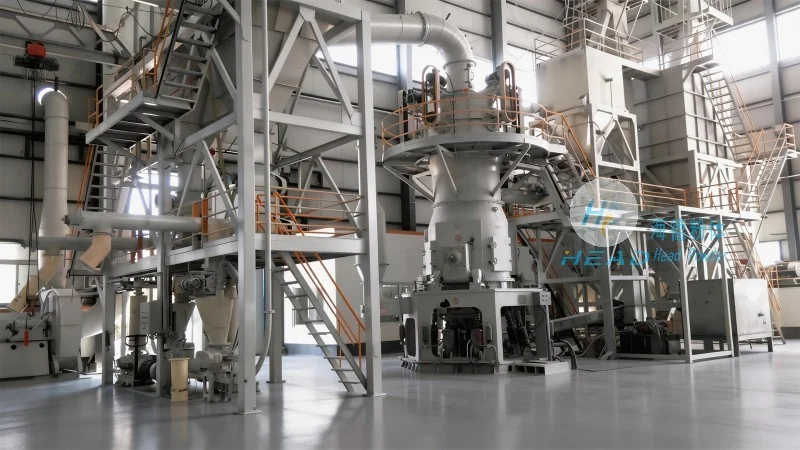
Gravity conveyors utilize the natural weight of biomass pellets to move them from one level to another. These systems typically consist of sloped chutes or inclined planes. The design is minimalistic and energy-efficient, as it relies on gravity rather than mechanical power. Gravity conveyors are ideal for short-distance transport and can be integrated with other equipment to form a seamless flow. However, they are limited by the angle of the slope and the material’s angle of repose. HeadPowder offers gravity conveyor solutions that are designed to optimize material flow while minimizing space requirements, making them a cost-effective option for certain applications.
5. Combination Conveying Systems
In many industrial settings, a single conveying method may not be sufficient. Combination systems, which integrate multiple technologies, are often used to achieve optimal performance. For example, a system might use a screw conveyor for initial feeding, followed by a pneumatic conveyor for long-distance transport. This approach allows for flexibility and adaptability to varying production needs. HeadPowder specializes in designing and implementing combination conveying systems that are tailored to the specific requirements of biomass processing plants, ensuring efficient and reliable material handling throughout the entire process.

 Shandong Headpowder Engineering Co., Ltd.
 156-6277-7102(Quản lý Trương)
  0531-83386006
  Thành phố Tế Nam, Tỉnh Sơn Đông, Trung Quốc
Điện thoại
WeChatTư vấn
Lên đầu