Với hơn 10 năm kinh nghiệm về vận chuyển khí nén, Headpowder Sơn Đông cung cấp hệ thống, thiết bị và quạt gió toàn chuỗi, đảm nhận các dự án kỹ thuật bột trọn gói trên toàn quốc.
When it comes to the efficient handling of potato starch, selecting the right conveying method is crucial for optimizing production processes and ensuring product quality. As a leading manufacturer in the field, Shandong HeadPowder Engineering Co., Ltd. understands the importance of choosing the most suitable technology for each application. This article provides a detailed comparison of common potato starch conveying methods, highlighting their advantages and disadvantages to help businesses make informed decisions.
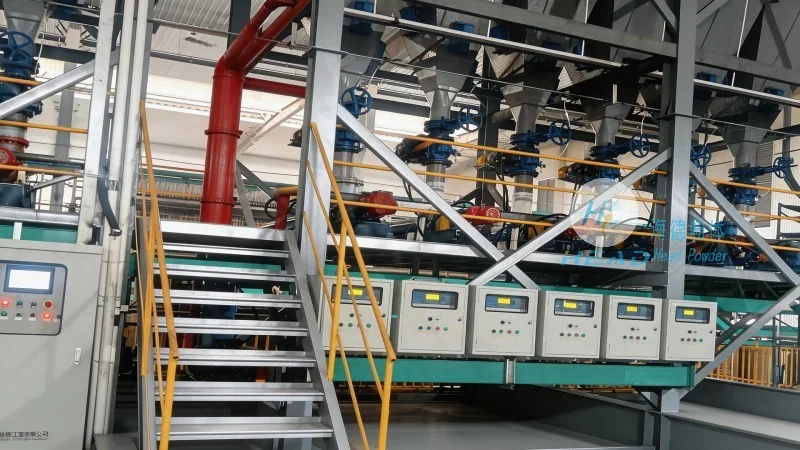
Gravity Conveying Systems
Gravity conveying systems utilize the natural force of gravity to move potato starch from one point to another. These systems typically consist of inclined chutes or hoppers that allow the material to flow downward under its own weight. A key advantage of gravity conveying is its low energy consumption, as it requires no external power sources. This makes it an economical choice for short-distance transfers where the material is already at a higher elevation. However, the effectiveness of gravity conveying is highly dependent on the material's bulk density and flow characteristics. If the starch is too fine or has poor flowability, it may lead to bridging or blockages in the chute, reducing efficiency. Additionally, gravity systems are limited by the vertical and horizontal distance between the start and end points, making them unsuitable for long or complex transfer routes.
Mechanical Conveying Systems
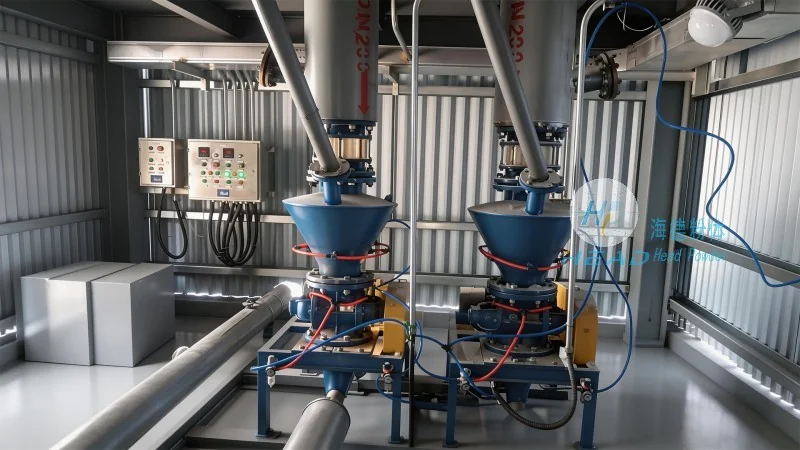
Mechanical conveying systems employ mechanical components to transport potato starch. The most common types include belt conveyors, screw conveyors, and bucket elevators. Belt conveyors use a continuous belt to move material along a fixed path, making them ideal for horizontal or slightly inclined transfers. They offer high capacity and can handle a wide range of particle sizes, including fine starch powders. However, belt conveyors require regular maintenance to prevent belt slippage or wear, which can lead to downtime. Screw conveyors, on the other hand, use a rotating screw to push material forward. They are particularly effective for vertical or inclined lifts, as the screw can maintain a consistent flow even in challenging conditions. The main drawback of screw conveyors is their susceptibility to clogging, especially with sticky or moist starch. This can result in reduced throughput and increased maintenance costs. Bucket elevators use a series of buckets attached to a chain or belt to lift material vertically. They are highly efficient for vertical transfers and can handle large volumes of material. However, bucket elevators are more complex and expensive to install compared to other mechanical systems, and they may not be suitable for very fine or abrasive starches.
Pneumatic Conveying Systems
Pneumatic conveying systems use air pressure to transport potato starch through a pipeline. These systems can be either positive pressure (where air pushes the material) or negative pressure (where air pulls the material). Positive pressure systems are often preferred for transferring starch from a storage silo to a processing unit, as they can handle long distances and multiple transfer points. The main advantage of pneumatic conveying is its ability to transport material in a closed system, which helps maintain product purity and prevents contamination. Additionally, these systems can be easily integrated with other processing equipment, allowing for seamless material flow. However, pneumatic conveying is generally more energy-intensive compared to gravity or mechanical systems, as it requires a powerful air compressor. This can increase operational costs, especially for large-scale operations. Another challenge is the potential for material degradation, as high air velocities can cause abrasion or attrition of the starch particles. This may affect the final product quality, particularly for high-value starch applications.
Hybrid Conveying Systems
Hybrid conveying systems combine elements of multiple technologies to address the limitations of individual methods. For example, a system might use a gravity chute for the initial downhill section and then switch to a mechanical conveyor for the vertical lift. This approach allows for greater flexibility and can optimize the overall conveying process. Hybrid systems are particularly useful in complex production lines where different transfer requirements exist. They can also help reduce energy consumption by using gravity where possible and mechanical or pneumatic systems only when necessary. However, the design and integration of hybrid systems are more complex, requiring careful planning and engineering. This may increase the initial investment and maintenance requirements compared to single-method systems.
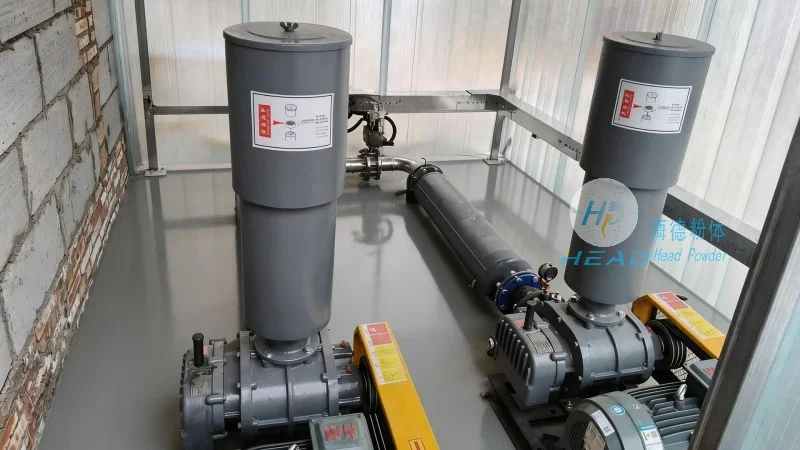
Factors to Consider When Choosing a Conveying Method
When selecting a potato starch conveying method, several factors must be considered to ensure the best fit for a specific application. The first is the material characteristics, including bulk density, flowability, and particle size. Starch with high moisture content or fine particles may require specialized equipment to prevent clogging or degradation. The second factor is the distance and layout of the transfer route. Short, simple routes may be suitable for gravity systems, while long or complex routes may necessitate mechanical or pneumatic systems. The third factor is the required capacity and throughput. High-volume operations may need multiple conveyors or larger systems to meet production demands. Finally, the budget and maintenance considerations are critical. Gravity systems offer the lowest initial cost and maintenance, while pneumatic systems are the most expensive but offer the highest flexibility. By evaluating these factors, businesses can choose the most efficient and cost-effective conveying method for their potato starch handling needs.
Conclusion
Choosing the right potato starch conveying method is essential for optimizing production efficiency and maintaining product quality. Each method has its own advantages and disadvantages, and the best choice depends on the specific application requirements. Gravity systems are economical for short-distance transfers, while mechanical systems offer versatility for various transfer types. Pneumatic systems provide closed-loop transport but at a higher energy cost. Hybrid systems can combine the benefits of multiple technologies for complex applications. By carefully considering material characteristics, transfer distance, required capacity, and budget, businesses can select the most suitable conveying method to enhance their potato starch handling operations. As a trusted partner in the industry, Shandong HeadPowder Engineering Co., Ltd. offers a range of conveying solutions tailored to meet the diverse needs of potato starch producers, ensuring efficient and reliable material transport.

 Shandong Headpowder Engineering Co., Ltd.
 156-6277-7102(Quản lý Trương)
  0531-83386006
  Thành phố Tế Nam, Tỉnh Sơn Đông, Trung Quốc
Điện thoại
WeChatTư vấn
Lên đầu