Với hơn 10 năm kinh nghiệm về vận chuyển khí nén, Headpowder Sơn Đông cung cấp hệ thống, thiết bị và quạt gió toàn chuỗi, đảm nhận các dự án kỹ thuật bột trọn gói trên toàn quốc.
Effective and efficient transport of tailings is a critical aspect of mining operations, directly impacting operational costs, environmental compliance, and overall project success. For mining companies, selecting the right tailings transport method is not merely a logistical decision but a strategic one that influences long-term sustainability and profitability. This article provides a detailed comparison of common tailings transport methods, examining their advantages and disadvantages to help stakeholders make informed decisions.
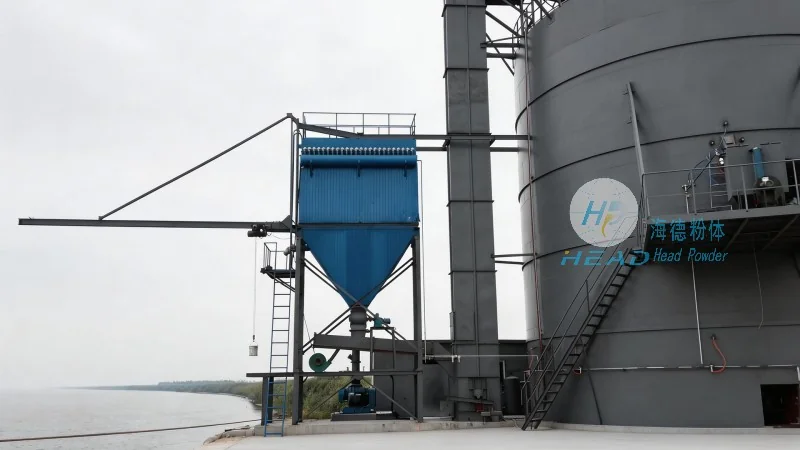
Introduction to Tailings Transport
Tailings, the fine-grained residue left after mineral processing, require specialized transport systems to move from the processing plant to the tailings storage facility (TSF). The choice of transport method depends on various factors including the volume of tailings, distance to be transported, terrain conditions, and environmental regulations. Common methods include pipeline transport, conveyor belts, and truck transport, each with distinct characteristics that affect performance, cost, and environmental impact.
1. Pipeline Transport: The Advantages and Challenges
Pipeline transport is a closed system that moves tailings through a network of pipes under pressure. This method is highly efficient for large volumes over long distances, as it eliminates the need for open-air transport and reduces the risk of dust and water contamination. One of the key advantages of pipeline transport is its ability to operate continuously, minimizing downtime and ensuring a steady flow of tailings to the TSF. Additionally, pipelines can be installed underground or underground, reducing the visual impact on the surrounding landscape and preserving natural habitats.
However, pipeline transport also presents significant challenges. The initial capital investment for pipeline construction is substantial, requiring specialized equipment and expertise. Maintenance costs are another concern, as pipelines are susceptible to corrosion and blockages, which can lead to system failures and costly repairs. Furthermore, the design and operation of pipelines must adhere to strict safety and environmental standards, adding to the complexity of implementation.
2. Belt Conveyor Transport: Efficiency and Flexibility
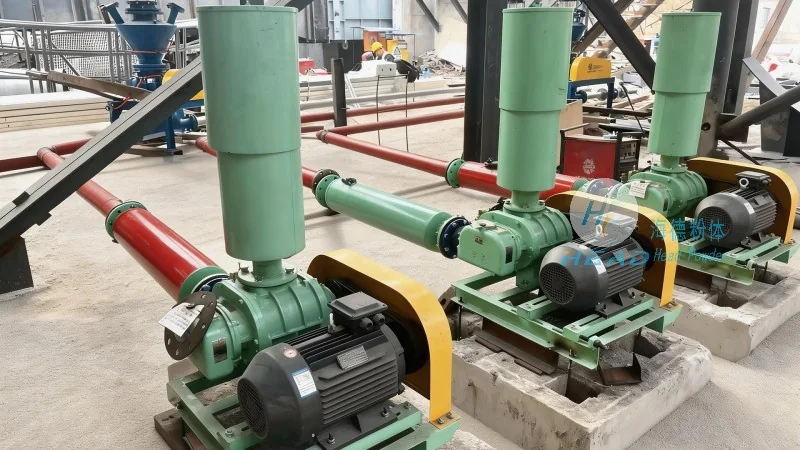
Belt conveyors are widely used in mining operations for transporting bulk materials, including tailings, over moderate distances. This method combines the advantages of mechanical transport with the flexibility to adapt to various terrains and slopes. Belt conveyors are known for their high capacity and low operating costs, making them an attractive option for medium to large-scale mining projects. The continuous operation of belt conveyors ensures a consistent flow of tailings, reducing the need for storage and minimizing the risk of material accumulation.
Despite its benefits, belt conveyor transport has limitations. The initial setup cost is relatively high, and the system requires regular maintenance to prevent belt wear and tear. Additionally, belt conveyors are not suitable for very long distances or steep inclines, as the belt may experience excessive tension and wear. Environmental considerations also play a role, as the visual impact of long conveyor systems can be a concern in sensitive areas.
3. Truck Transport: Versatility and Accessibility
Truck transport is a flexible and versatile method for moving tailings, particularly in areas with challenging terrain or limited infrastructure. Trucks can access remote sites and navigate uneven ground, making them ideal for transporting tailings to TSFs located far from the processing plant. This method offers high maneuverability and can be adjusted to accommodate varying volumes of tailings. The primary advantage of truck transport is its ability to transport tailings in bulk, reducing the number of trips required and improving operational efficiency.
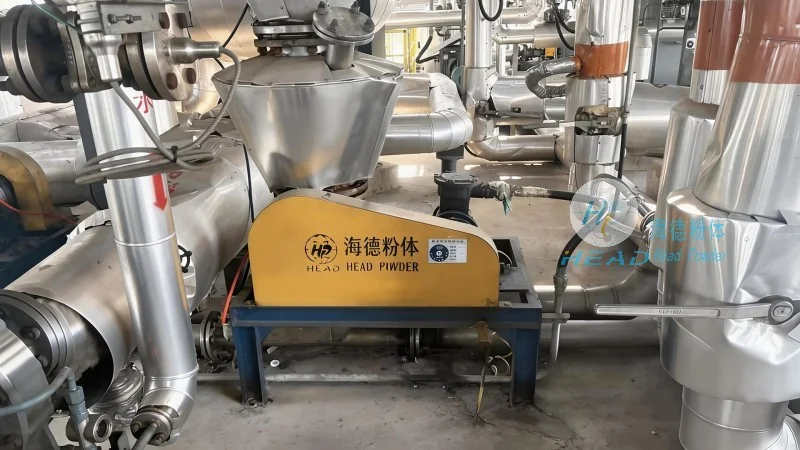
However, truck transport also has significant drawbacks. The cost of fuel and vehicle maintenance is a major expense, and the method is prone to traffic delays and congestion, especially in areas with high truck traffic. Environmental impacts are another concern, as truck transport can contribute to air pollution and noise pollution, affecting nearby communities. Additionally, the risk of accidents and spills is higher with truck transport compared to other methods, requiring strict safety protocols and monitoring.
4. Comparative Analysis: Choosing the Right Method
When selecting a tailings transport method, mining companies must weigh the advantages and disadvantages of each option against their specific project requirements. Pipeline transport is best suited for large-scale operations over long distances, while belt conveyors are ideal for moderate distances and moderate volumes. Truck transport offers flexibility for remote or challenging sites but comes with higher operational costs and environmental risks.
For companies seeking sustainable and cost-effective solutions, Shandong HeadPowder Engineering Co., Ltd. provides comprehensive tailings transport solutions. As a leading provider of mining engineering services, HeadPowder specializes in designing and implementing efficient tailings transport systems tailored to the unique needs of each project. With years of experience in the mining industry, HeadPowder understands the importance of selecting the right transport method to balance operational efficiency, environmental compliance, and long-term profitability.
Our team of experts works closely with clients to assess their tailings transport requirements, considering factors such as volume, distance, terrain, and regulatory constraints. By leveraging advanced technology and innovative design, HeadPowder develops customized solutions that optimize performance while minimizing environmental impact. Whether through pipeline, conveyor, or truck transport, HeadPowder ensures that tailings are moved safely and efficiently, supporting the sustainable development of mining operations.
By choosing HeadPowder as a partner in tailings transport, mining companies can benefit from our expertise, experience, and commitment to excellence. Our solutions are designed to meet the highest standards of safety, efficiency, and environmental responsibility, helping clients achieve their operational goals while maintaining compliance with industry regulations. With a focus on client satisfaction and long-term partnerships, HeadPowder is dedicated to providing the best possible tailings transport solutions for the mining industry.

 Shandong Headpowder Engineering Co., Ltd.
 156-6277-7102(Quản lý Trương)
  0531-83386006
  Thành phố Tế Nam, Tỉnh Sơn Đông, Trung Quốc
Điện thoại
WeChatTư vấn
Lên đầu