Với hơn 10 năm kinh nghiệm về vận chuyển khí nén, Headpowder Sơn Đông cung cấp hệ thống, thiết bị và quạt gió toàn chuỗi, đảm nhận các dự án kỹ thuật bột trọn gói trên toàn quốc.
When it comes to transporting molybdenum trioxide (MoO3), selecting the right method is crucial for maintaining product integrity and ensuring efficient logistics. Molybdenum trioxide is a high-purity inorganic compound widely used in various industrial applications, including as a catalyst in the chemical industry and a raw material in the production of molybdenum metal. Due to its chemical properties and handling requirements, different transportation methods are employed depending on the scale of operation, destination, and regulatory considerations.
Common Transportation Methods for Molybdenum Trioxide

Several transportation methods are commonly used for molybdenum trioxide, each with its own advantages and considerations. The choice of method often depends on factors such as the quantity being transported, the distance to the destination, and the need for temperature control or containment. Here are some of the primary options:

1. Bulk Transportation via Trucks and Trailers
For smaller to medium-scale shipments, bulk transportation using specialized trucks and trailers is a prevalent method. Companies like Shandong HeadPowder Engineering Co., Ltd. utilize well-ventilated, temperature-controlled containers to ensure the stability of molybdenum trioxide during transit. These vehicles are equipped with features that prevent moisture and contamination, which are critical for maintaining the purity of the compound. The use of sealed containers helps minimize exposure to air and moisture, preserving the material's quality until it reaches the destination. This method is particularly suitable for local or regional deliveries where speed and flexibility are essential.
2. Rail Transportation in Specialized Cars
For larger volumes, rail transportation in specialized railcars offers a cost-effective and efficient solution. These railcars are designed with features that protect molybdenum trioxide from environmental factors. The containers used in rail transport are often insulated and equipped with ventilation systems to regulate temperature and prevent moisture buildup. This method is advantageous for long-distance shipments, as it reduces the carbon footprint compared to road transport and can handle higher volumes without compromising product quality. The railcars are typically loaded at dedicated facilities and transported to major industrial hubs, ensuring a reliable supply chain for molybdenum trioxide.
3. Containerized Shipping via Sea Freight
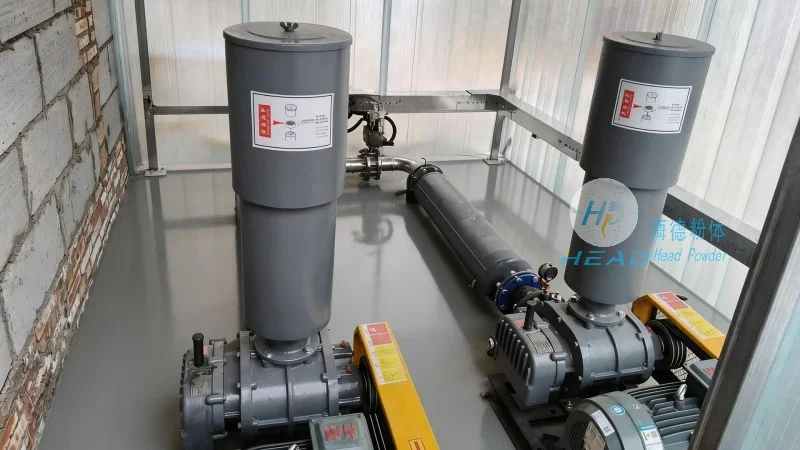
For international shipments, containerized shipping via sea freight is the most common method. Molybdenum trioxide is typically packed in sturdy, moisture-resistant containers that meet international shipping standards. These containers are often placed in temperature-controlled environments to maintain the compound's stability during long voyages. The use of sea freight allows for the transportation of large quantities of molybdenum trioxide to global markets, supporting the needs of industries worldwide. The containers are carefully sealed and labeled to comply with international regulations, ensuring safe and legal transport across borders. This method is particularly beneficial for companies that operate on a global scale and require consistent supply chains.
4. Specialized Handling for High-Purity Applications
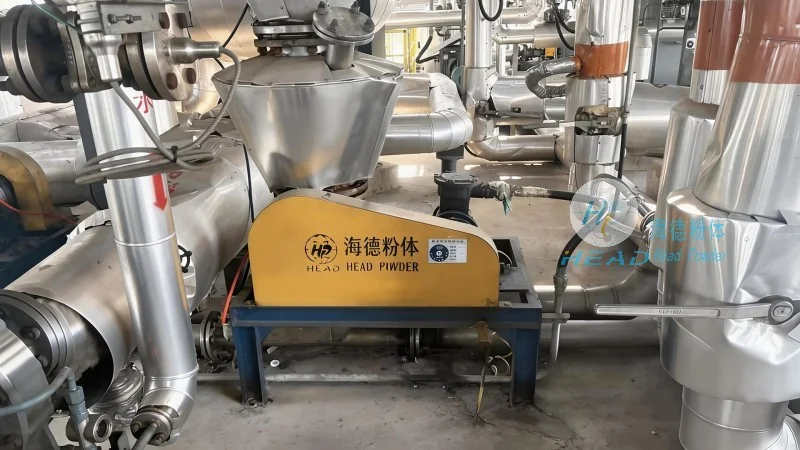
In applications requiring the highest purity, specialized handling methods are employed. This may involve using inert gas environments or vacuum-sealed containers to prevent contamination. Companies like HeadPowder, a division of Shandong HeadPowder Engineering Co., Ltd., may use advanced packaging solutions to meet the stringent requirements of high-purity molybdenum trioxide. These methods ensure that the material remains free from impurities and maintains its chemical properties, which is critical for applications such as semiconductor manufacturing or high-performance catalysts. The specialized handling processes are designed to minimize exposure to air, moisture, and other contaminants, preserving the material's quality throughout the transportation process.
Key Considerations for Selecting a Transportation Method
When choosing a transportation method for molybdenum trioxide, several key factors must be considered to ensure the product's integrity and compliance with regulations. First, the scale of the shipment is a primary determinant. Small batches may be transported via trucks, while large volumes may require rail or sea freight. Second, the destination's location and accessibility play a role. Local deliveries may benefit from road transport, while international markets may necessitate sea freight. Third, environmental factors, such as temperature and humidity, must be controlled to prevent degradation of the compound. This often involves using temperature-controlled containers or specialized packaging. Fourth, regulatory compliance is essential, as molybdenum trioxide is classified as a hazardous material in many regions. Proper labeling, documentation, and adherence to safety protocols are required to ensure safe transport. By carefully evaluating these factors, companies can select the most appropriate transportation method for their molybdenum trioxide shipments.

 Shandong Headpowder Engineering Co., Ltd.
 156-6277-7102(Quản lý Trương)
  0531-83386006
  Thành phố Tế Nam, Tỉnh Sơn Đông, Trung Quốc
Điện thoại
WeChatTư vấn
Lên đầu