Với hơn 10 năm kinh nghiệm về vận chuyển khí nén, Headpowder Sơn Đông cung cấp hệ thống, thiết bị và quạt gió toàn chuỗi, đảm nhận các dự án kỹ thuật bột trọn gói trên toàn quốc.
When it comes to the construction industry, the efficient and reliable transport of dry mix mortar is crucial for project success. As a leading manufacturer in the field, Shandong HeadPowder Engineering Co., Ltd. (referred to as HeadPowder) understands the importance of selecting the right transport method to ensure optimal performance and minimal downtime. This article explores the various methods for dry mix mortar transport, providing insights into each approach and how they can be applied in different scenarios.
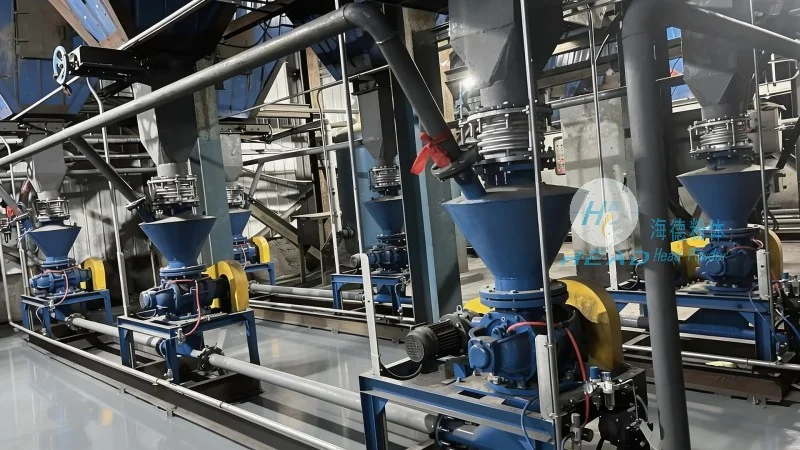
Understanding Dry Mix Mortar Transport
Dry mix mortar, also known as pre-blended mortar, is a ready-to-use construction material that combines cement, sand, and other additives in precise proportions. Unlike traditional mortar, which requires on-site mixing, dry mix mortar is pre-mixed and stored in bulk containers. The transport of this material from the production facility to the construction site is a critical step that impacts the overall quality and speed of construction projects. HeadPowder specializes in providing high-quality dry mix mortar and the equipment needed to transport it effectively.
Common Dry Mix Mortar Transport Methods
There are several methods used to transport dry mix mortar, each with its own advantages and applications. The choice of method depends on factors such as the distance to the construction site, the volume of material needed, and the specific requirements of the project. Below are some of the most common transport methods:
Pneumatic Conveying (Air-Driven Transport)
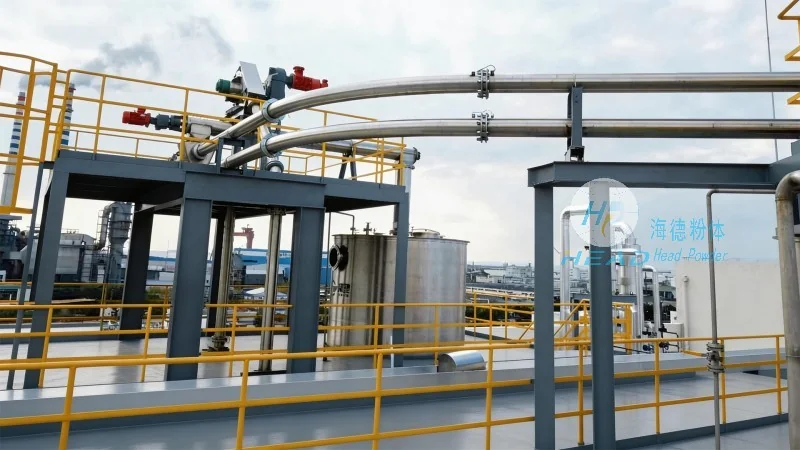
Pneumatic conveying, also known as air-driven transport, is a popular method for transporting dry mix mortar over medium to long distances. This system uses compressed air to move the dry material through a network of pipes. The process involves loading the dry mix mortar into a hopper, which then feeds the material into the conveying line. The compressed air pushes the mortar through the pipes, allowing it to be delivered to the construction site. One of the key advantages of pneumatic conveying is its ability to transport materials without the need for mechanical components, reducing wear and tear on equipment. HeadPowder's pneumatic conveying systems are designed to handle high volumes of dry mix mortar efficiently, ensuring consistent and reliable delivery.
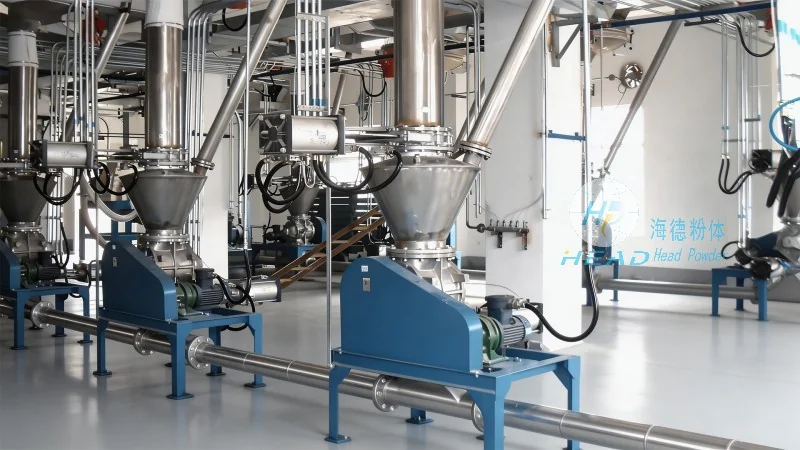
Positive Displacement Pumps (Mortar Pumps)
Positive displacement pumps, commonly known as mortar pumps, are another effective method for transporting dry mix mortar, especially for short to medium distances. These pumps use a mechanical mechanism to move the material through a hose or pipe. The pump's design ensures that the mortar is delivered under pressure, allowing it to be applied directly to the construction site. Positive displacement pumps are ideal for projects where the material needs to be delivered to specific locations, such as upper floors or hard-to-reach areas. HeadPowder offers a range of mortar pumps that are durable, easy to operate, and capable of handling various types of dry mix mortar. The pumps are equipped with features like adjustable pressure controls and material compatibility, ensuring they can meet the diverse needs of construction projects.
Screw Conveyors (Mechanical Transport)
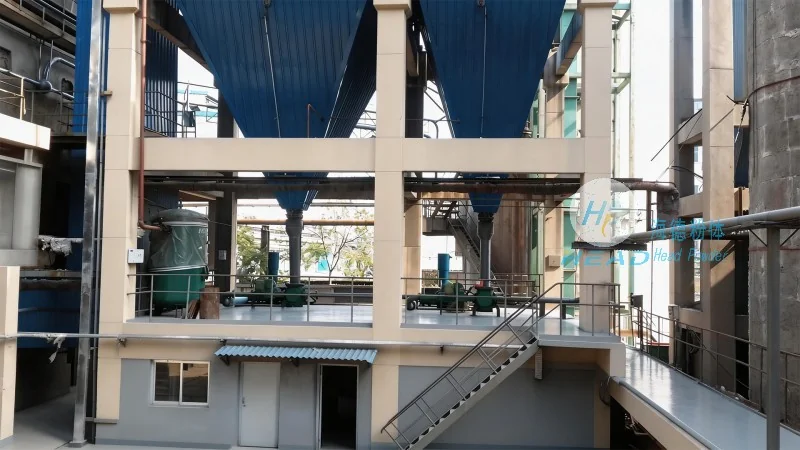
Screw conveyors, or auger conveyors, are a mechanical method for transporting dry mix mortar over short to medium distances. This system uses a rotating screw to move the material through a tube. The screw is designed to push the mortar forward, allowing it to be transported from the storage area to the mixing or application point. Screw conveyors are commonly used in industrial settings where the material needs to be moved horizontally or at a slight incline. HeadPowder's screw conveyors are built with high-quality materials and robust construction, ensuring they can handle the demands of continuous operation. The conveyors are also equipped with features like variable speed controls and material flow monitoring, allowing for precise control over the transport process.
Truck-Mounted Silos and Hoppers
Truck-mounted silos and hoppers are a practical solution for transporting dry mix mortar over longer distances, typically from the manufacturer to the construction site. These vehicles are equipped with large storage containers that hold the dry mix mortar in bulk. The material is loaded into the silo at the production facility and then transported to the job site. At the construction site, the mortar is discharged into a mixer or directly applied. This method is particularly useful for projects that require large quantities of material over an extended period. HeadPowder's truck-mounted systems are designed for efficiency and reliability, with features like automated loading and unloading, ensuring smooth and continuous operation. The vehicles are also equipped with safety features to protect both the operator and the material during transport.
Comparing Transport Methods
When selecting a dry mix mortar transport method, it is essential to consider several factors to ensure the best fit for the project. Pneumatic conveying is ideal for long distances and high volumes, while positive displacement pumps are better suited for shorter distances and precise delivery. Screw conveyors are effective for short to medium distances and horizontal transport, and truck-mounted systems are suitable for bulk transport over longer distances. HeadPowder recommends evaluating the project's specific requirements, such as distance, volume, and application needs, to choose the most appropriate transport method. By selecting the right method, construction projects can benefit from improved efficiency, reduced downtime, and higher quality results.

 Shandong Headpowder Engineering Co., Ltd.
 156-6277-7102(Quản lý Trương)
  0531-83386006
  Thành phố Tế Nam, Tỉnh Sơn Đông, Trung Quốc
Điện thoại
WeChatTư vấn
Lên đầu