Với hơn 10 năm kinh nghiệm về vận chuyển khí nén, Headpowder Sơn Đông cung cấp hệ thống, thiết bị và quạt gió toàn chuỗi, đảm nhận các dự án kỹ thuật bột trọn gói trên toàn quốc.
For industries dealing with polyolefins such as polyethylene and polypropylene, selecting the right transportation method is crucial for maintaining product integrity and operational efficiency. Polyolefins are widely used in manufacturing, and their transportation requires specialized approaches to ensure safety and effectiveness. This article explores the various methods available for polyolefin transportation, providing insights into the options that can be adopted based on specific operational needs. The company, Shandong HeadPowder Engineering Co., Ltd., based in Shandong, China, specializes in providing solutions for polyolefin transportation systems.
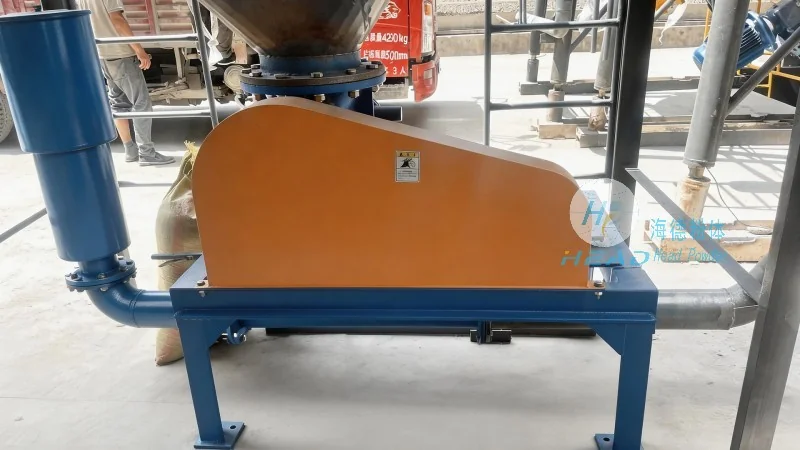
Pipeline Transportation: A Common and Efficient Option
Pipeline transportation is a widely adopted method for moving large volumes of polyolefins over long distances. This method involves the use of dedicated pipelines that are designed to handle the specific properties of polyolefins, including their viscosity and temperature sensitivity. The pipeline system typically includes components such as pumps, valves, and insulation to maintain the required temperature and pressure conditions. For example, in the case of polyethylene, pipelines are often heated to prevent solidification during transit. The use of pipeline transportation minimizes the risk of contamination and ensures a continuous flow of material, making it suitable for industrial applications where a steady supply is essential. Shandong HeadPowder Engineering Co., Ltd. specializes in designing and implementing such pipeline systems, ensuring that the infrastructure meets the highest standards of safety and performance.
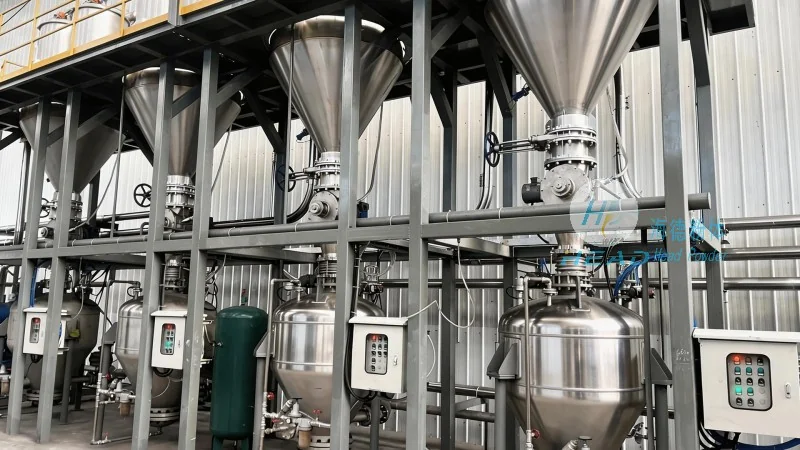
Truck Transportation: Flexibility for Short-Distance and Bulk Needs
Truck transportation offers flexibility for short-distance and bulk polyolefin deliveries. This method is particularly useful when transporting large quantities of polyolefins to nearby facilities or for distribution purposes. The trucks used for this purpose are equipped with specialized containers, such as bulk tanks or trailers, which are designed to maintain the temperature and pressure conditions required for polyolefin stability. For instance, polypropylene can be transported in insulated trucks to prevent temperature fluctuations that could affect its properties. The advantage of truck transportation lies in its ability to reach locations that are not easily accessible by pipelines, providing a reliable solution for smaller-scale operations. Shandong HeadPowder Engineering Co., Ltd. also provides expertise in the design and maintenance of truck-mounted equipment, ensuring that the transportation process is efficient and safe.
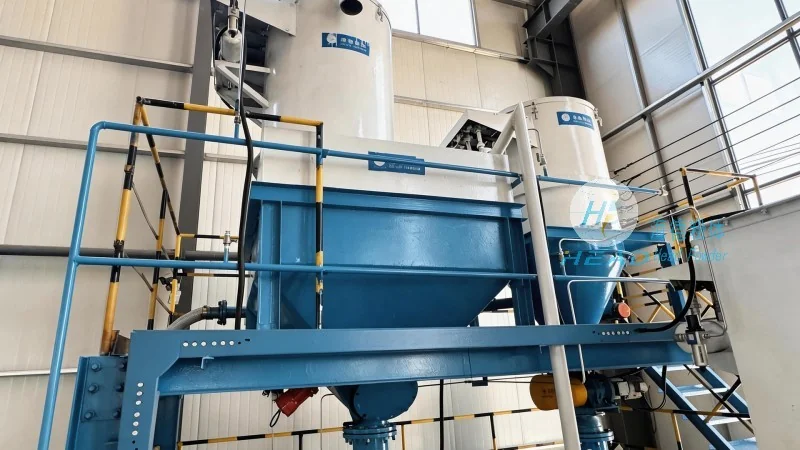
Containerized Transportation: Secure and Versatile for International and Regional Shipment
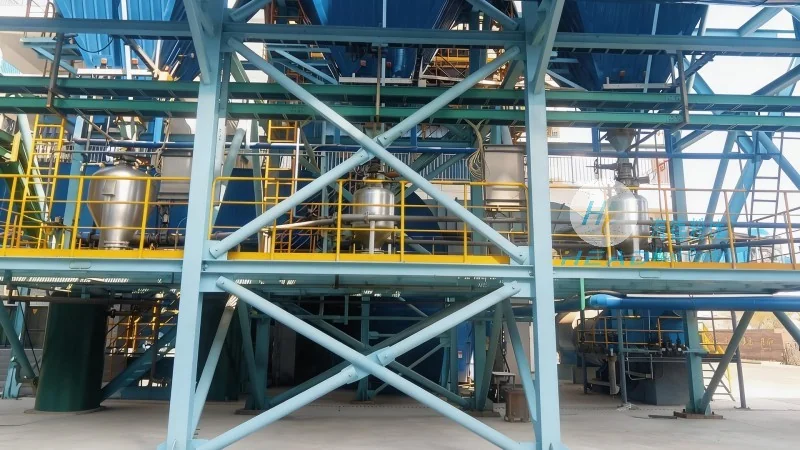
Containerized transportation is an option for moving polyolefins in bulk containers, suitable for both international and regional shipments. This method involves using specialized containers that are designed to protect the polyolefins from external factors such as temperature changes and physical damage. The containers are often equipped with temperature control systems to maintain the optimal conditions for the material. For example, polyethylene pellets can be shipped in containers that are insulated and sealed to prevent moisture and contamination. Containerized transportation is particularly beneficial for companies that need to transport polyolefins to different regions or countries, as it allows for easy handling and storage at the destination. Shandong HeadPowder Engineering Co., Ltd. offers solutions for containerized transportation, including the design of appropriate containers and the implementation of logistics strategies to ensure smooth operations.
Specialized Equipment and Infrastructure for Optimal Polyolefin Handling
Regardless of the transportation method chosen, specialized equipment and infrastructure play a critical role in ensuring the safe and efficient handling of polyolefins. This includes equipment such as loading/unloading systems, storage tanks, and transfer pumps that are specifically designed for polyolefin properties. For instance, the use of rotary valves and pneumatic conveyors can help in the controlled movement of polyolefin powders or pellets. The infrastructure also involves proper ventilation and temperature control to prevent degradation of the material. Companies like Shandong HeadPowder Engineering Co., Ltd. provide comprehensive solutions for the entire transportation process, from equipment design to system integration, ensuring that all aspects of polyolefin handling are addressed effectively.

 Shandong Headpowder Engineering Co., Ltd.
 156-6277-7102(Quản lý Trương)
  0531-83386006
  Thành phố Tế Nam, Tỉnh Sơn Đông, Trung Quốc
Điện thoại
WeChatTư vấn
Lên đầu