Với hơn 10 năm kinh nghiệm về vận chuyển khí nén, Headpowder Sơn Đông cung cấp hệ thống, thiết bị và quạt gió toàn chuỗi, đảm nhận các dự án kỹ thuật bột trọn gói trên toàn quốc.
Dry powder conveying is a critical process in various industries, including pharmaceuticals, food processing, and chemical manufacturing. The efficient and safe transport of dry powders is essential for maintaining product quality and operational efficiency. There are several methods available for dry powder handling, each with its own set of advantages and limitations. This article will explore the primary dry powder conveying methods and focus on the benefits and characteristics of pneumatic conveying, a widely used technology in the industry.
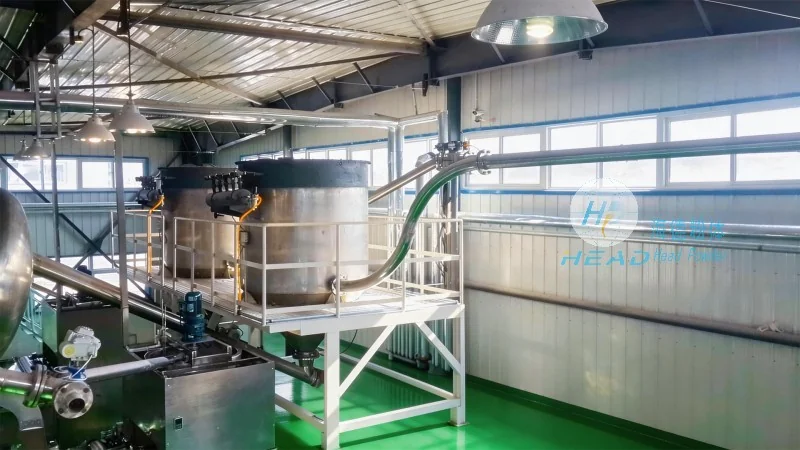
Common Dry Powder Conveying Methods
Before delving into the specifics of pneumatic conveying, it's important to understand the different approaches to dry powder transport. The main methods include mechanical conveying, such as screw conveyors and belt conveyors, and pneumatic conveying. Mechanical systems rely on mechanical components to move powders, while pneumatic systems use air or other gases to transport materials. Each method has its own suitability depending on the material properties, distance, and environmental requirements.
Pneumatic Conveying: An Overview
Pneumatic conveying, also known as air conveying, is a method that uses compressed air or other gases to transport dry powders through a pipeline. This technology offers several advantages over traditional mechanical methods. It is particularly effective for handling fine powders, abrasive materials, and those that are sensitive to moisture or contamination. The process involves creating a flow of air within the pipeline, which draws the powder particles along with it, ensuring a consistent and controlled transport.
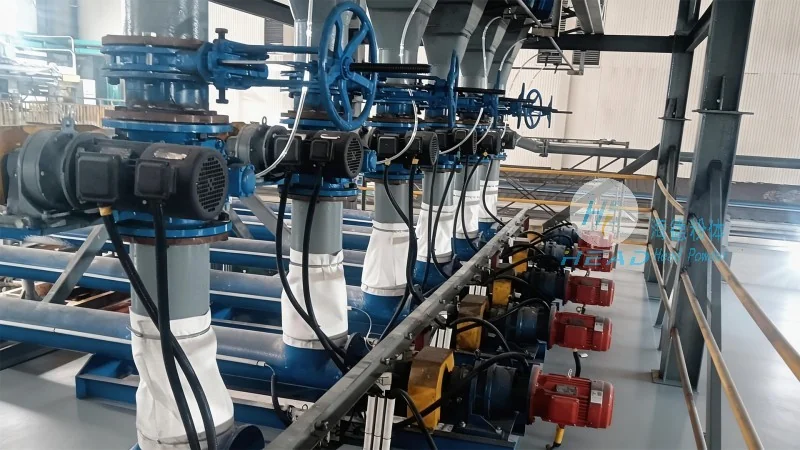
Advantages of Pneumatic Conveying for Dry Powders
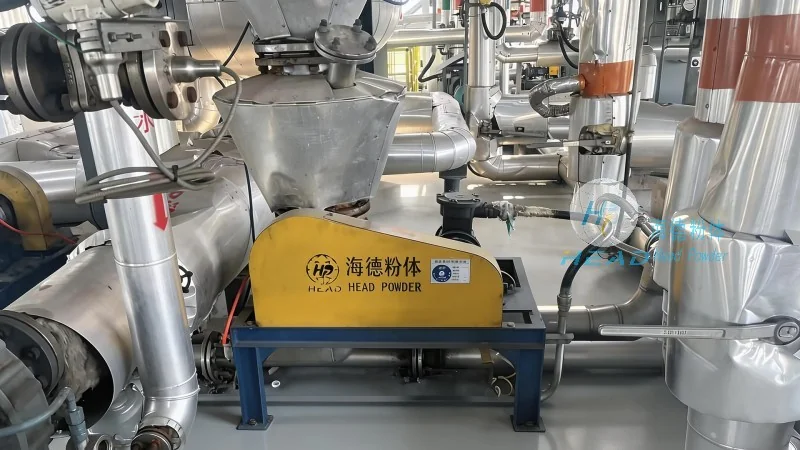
One of the key benefits of pneumatic conveying is its ability to handle a wide range of powder types. Whether dealing with pharmaceutical powders, food-grade materials, or industrial chemicals, pneumatic systems can accommodate diverse particle sizes and shapes. Another advantage is the reduced risk of product contamination. Since the material is enclosed within the pipeline, it is protected from external elements and cross-contamination, which is crucial in industries like pharmaceuticals and food processing.
Key Features of Pneumatic Conveying Systems
Pneumatic conveying systems are characterized by several features that enhance their performance and reliability. These include the use of positive or negative pressure systems, which allow for flexible installation and integration into existing facilities. The systems can be designed for both low and high-pressure applications, catering to different conveying distances and material characteristics. Additionally, modern pneumatic systems often incorporate advanced control technologies, such as variable frequency drives and pressure sensors, to optimize operation and ensure consistent flow rates.
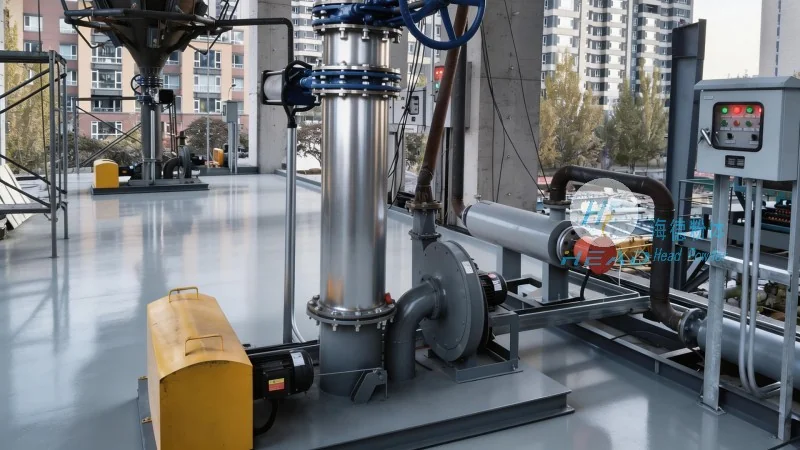
Applications in Different Industries
The versatility of pneumatic conveying makes it suitable for a variety of applications across multiple sectors. In the pharmaceutical industry, it is used for the transport of active pharmaceutical ingredients (APIs) and excipients, ensuring a sterile and contamination-free process. In the food industry, it is employed for handling powders like cocoa, sugar, and flour, maintaining product integrity and quality. In chemical manufacturing, it is used for transporting raw materials and finished products, supporting efficient production lines.
Conclusion and Company Information
Pneumatic conveying stands out as a highly effective method for dry powder transport, offering numerous advantages over traditional mechanical systems. Its ability to handle diverse materials, minimize contamination, and provide flexible installation makes it a preferred choice in many industries. As a leading provider in the field, Shandong HeadPowder Engineering Co., Ltd. specializes in designing and manufacturing advanced pneumatic conveying systems tailored to the specific needs of clients. With a focus on quality and innovation, the company ensures that its solutions meet the highest standards of performance and reliability. Based in China, Shandong HeadPowder Engineering Co., Ltd. serves a global market, delivering cutting-edge technology for dry powder handling. For more information on their products and services, please visit their official channels.

 Shandong Headpowder Engineering Co., Ltd.
 156-6277-7102(Quản lý Trương)
  0531-83386006
  Thành phố Tế Nam, Tỉnh Sơn Đông, Trung Quốc
Điện thoại
WeChatTư vấn
Lên đầu