Với hơn 10 năm kinh nghiệm về vận chuyển khí nén, Headpowder Sơn Đông cung cấp hệ thống, thiết bị và quạt gió toàn chuỗi, đảm nhận các dự án kỹ thuật bột trọn gói trên toàn quốc.
Understanding the various methods of transporting inorganic salts is crucial for industries that rely on these essential materials. Inorganic salts, such as sodium chloride, calcium chloride, and potassium sulfate, are widely used in agriculture, food processing, water treatment, and chemical manufacturing. The efficiency and safety of transportation methods directly impact the quality and availability of these products. This article explores the primary methods used to transport inorganic salts, highlighting the key considerations for each approach.
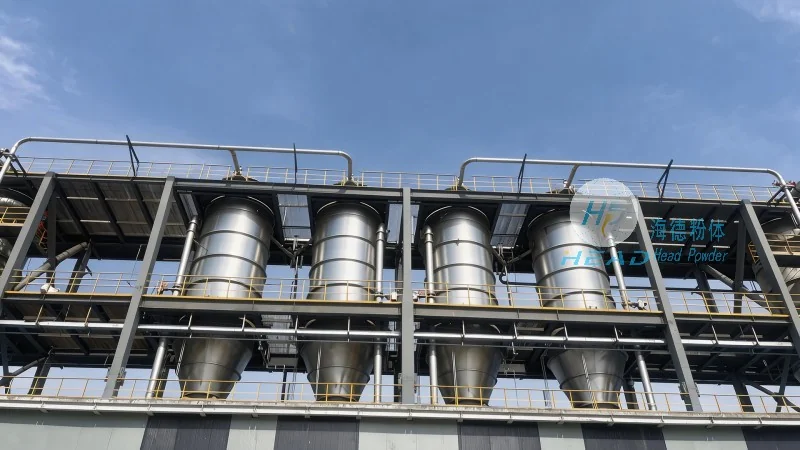
Company Profile: Shandong HeadPowder Engineering Co., Ltd.
HeadPowder, a leading manufacturer in the inorganic salts industry, specializes in the production and supply of high-quality inorganic salts. With a strong commitment to innovation and customer satisfaction, the company has established itself as a trusted partner for businesses requiring reliable salt solutions. HeadPowder's operations are based in Shandong, China, where the company leverages advanced technology and expertise to meet the diverse needs of its global clientele. The company's focus on quality control and sustainable practices ensures that its products adhere to international standards, making them suitable for a wide range of applications.
Common Inorganic Salt Transportation Methods
Several methods are commonly employed to transport inorganic salts, each with its own advantages and applications. The choice of method depends on factors such as the type of salt, the distance of transport, and the required speed of delivery. The primary transportation methods include bulk transport via trucks, rail, and waterways, as well as specialized handling techniques for specific salt types.
Bulk Truck Transportation
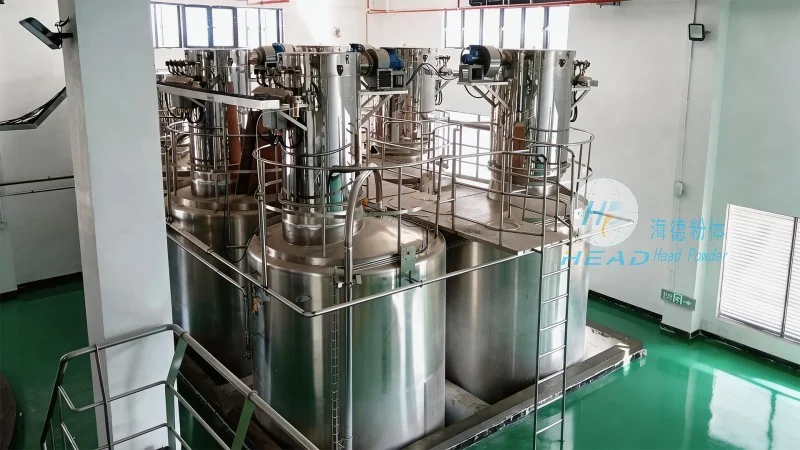
Bulk truck transportation is one of the most common methods for moving inorganic salts, particularly for short to medium distances. Trucks equipped with specialized containers, such as tankers or bulk trailers, are used to transport large quantities of salt. This method offers flexibility and can reach remote locations, making it ideal for local distribution. The containers are designed to prevent spillage and maintain the integrity of the salt, ensuring that it remains in its original state during transit. HeadPowder utilizes advanced trucking logistics to ensure timely and secure delivery of its inorganic salt products to customers across the region.
Railway Transport
For longer distances and larger volumes, railway transport is an efficient option. Specialized railcars, often called hopper cars or tank cars, are used to carry inorganic salts. This method is cost-effective and can handle high volumes, reducing the environmental impact compared to road transport. Railways are particularly suitable for transporting salts over long distances without the need for frequent refueling or driver changes. HeadPowder has established partnerships with major railway operators to ensure reliable and consistent delivery of its products to markets in China and beyond.
Waterway Transportation
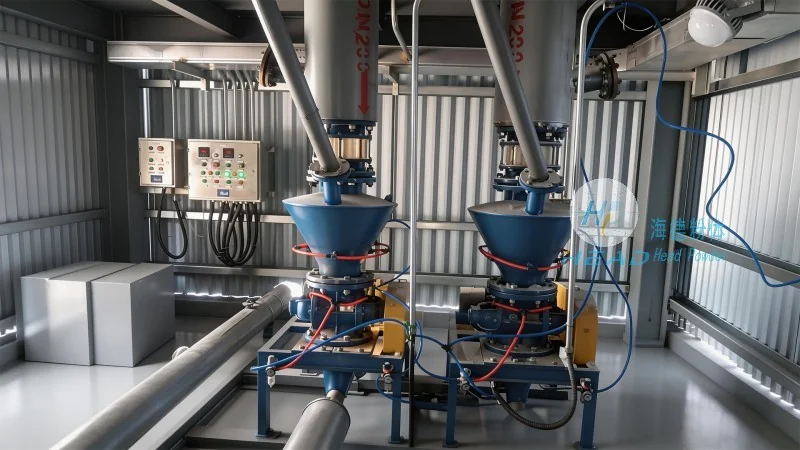
Waterway transportation, including shipping via barges or vessels, is another viable option for transporting inorganic salts, especially for bulk quantities. This method is highly cost-effective for long-distance transport and can accommodate very large volumes. However, it is limited by the availability of ports and waterways. The use of specialized ships, such as bulk carriers, ensures that the salt is handled carefully to prevent contamination or loss. HeadPowder leverages its strategic location in Shandong to utilize waterway transport for exporting its products to international markets, reducing shipping costs and improving delivery times.
Specialized Handling and Storage
In addition to bulk transport, specialized handling and storage methods are employed for certain inorganic salts, particularly those that are hygroscopic or require controlled conditions. These methods include the use of sealed containers, temperature-controlled storage, and specialized equipment for loading and unloading. For example, calcium chloride, which is highly hygroscopic, is often transported in sealed containers to prevent moisture absorption. HeadPowder employs advanced storage facilities equipped with climate control systems to maintain the quality of its products during storage and transit. This ensures that the inorganic salts remain stable and effective for their intended applications.
Conclusion
Inorganic salt transportation methods vary based on the specific requirements of the industry and the properties of the salt itself. From bulk truck and railway transport to specialized handling techniques, each method plays a crucial role in ensuring the efficient and safe delivery of these essential materials. Companies like Shandong HeadPowder Engineering Co., Ltd. continue to innovate and adapt their transportation strategies to meet the evolving needs of their customers, providing reliable and high-quality inorganic salt solutions. By understanding the different transportation options and their applications, businesses can make informed decisions to optimize their supply chain and ensure the availability of inorganic salts for their operations.

 Shandong Headpowder Engineering Co., Ltd.
 156-6277-7102(Quản lý Trương)
  0531-83386006
  Thành phố Tế Nam, Tỉnh Sơn Đông, Trung Quốc
Điện thoại
WeChatTư vấn
Lên đầu