Với hơn 10 năm kinh nghiệm về vận chuyển khí nén, Headpowder Sơn Đông cung cấp hệ thống, thiết bị và quạt gió toàn chuỗi, đảm nhận các dự án kỹ thuật bột trọn gói trên toàn quốc.
When it comes to transporting fiberglass materials, selecting the right conveying method is crucial for efficiency, cost-effectiveness, and material integrity. Fiberglass, known for its lightweight, high-strength properties, is widely used in various industries such as construction, automotive, and aerospace. However, the unique characteristics of fiberglass, including its abrasive nature and tendency to generate static electricity, require specialized handling techniques. This article explores common fiberglass conveying methods, with a focus on the advantages and applications of pneumatic conveying systems.
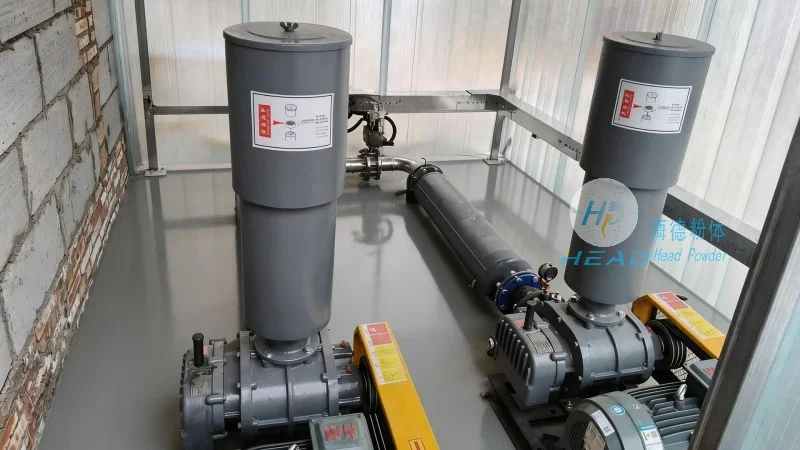
Common Fiberglass Conveying Methods
There are several primary methods used to transport fiberglass materials, each with its own set of advantages and limitations. The most common approaches include mechanical conveying, such as belt conveyors and screw conveyors, and pneumatic conveying, which uses air or other gases to move materials. Mechanical systems are often preferred for bulk materials and long-distance transport, while pneumatic systems excel in handling fine powders and providing a dust-free environment.
Fiberglass Pneumatic Conveying: How It Works
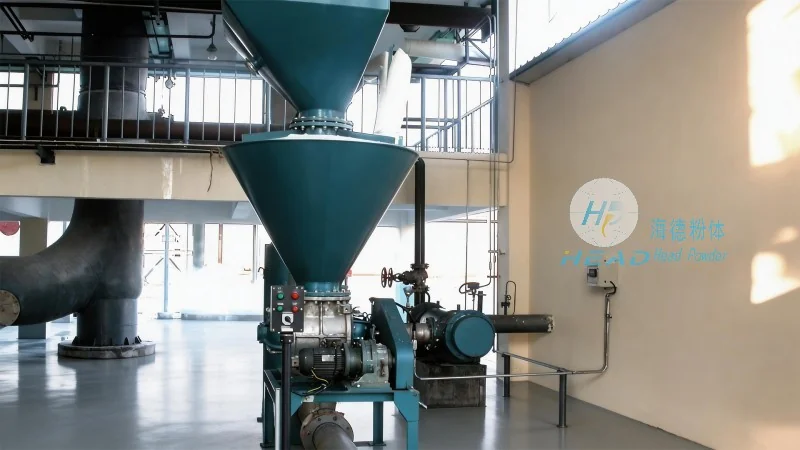
Pneumatic conveying, also known as air conveying, is a method that uses pressurized air to transport solid materials like fiberglass through a pipeline. The process typically involves a hopper where the fiberglass is loaded, a blower or compressor that generates the air pressure, and a pipeline system that carries the material. There are two main types of pneumatic conveying: pressure and vacuum systems. Pressure systems use positive pressure to push the material forward, while vacuum systems use negative pressure to pull the material into the pipeline.
Advantages of Fiberglass Pneumatic Conveying
Compared to traditional mechanical conveying, fiberglass pneumatic conveying offers several key advantages. First, it provides a dust-free and enclosed environment, which is essential for maintaining material quality and ensuring workplace safety. Fiberglass particles are often fine and can create significant dust, which can be harmful if inhaled or cause contamination in other processes. Pneumatic systems contain the material within the pipeline, reducing dust exposure and improving air quality. Second, pneumatic conveying is highly flexible and can handle complex layouts, including vertical and horizontal transport. This flexibility allows for the integration of conveying systems into existing production lines without major structural changes. Third, the system can be easily scaled up or down to accommodate varying production volumes, making it suitable for both small-scale and large-scale operations. Additionally, pneumatic conveying reduces the need for manual handling, minimizing labor costs and the risk of material damage from handling equipment.
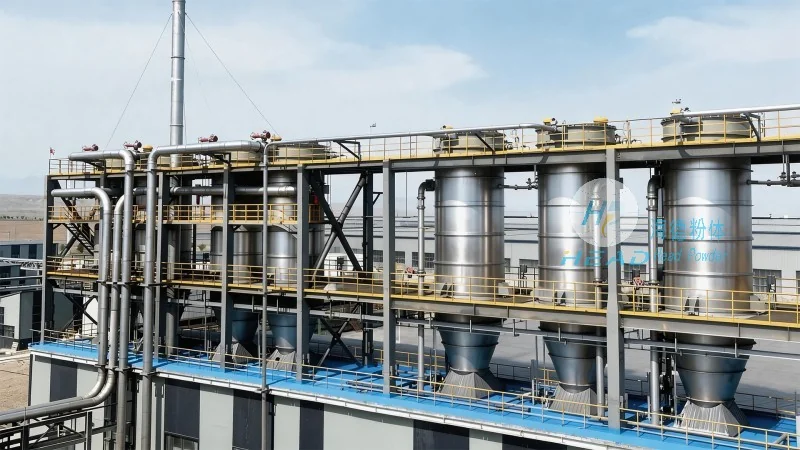
Applications in the Fiberglass Industry
Fiberglass pneumatic conveying is widely used in various applications within the fiberglass industry. In the production of fiberglass composites, such as fiberglass-reinforced plastics (FRPs), the material is often conveyed from storage silos to mixing and molding equipment. The fine powder form of fiberglass is ideal for these processes, and pneumatic systems ensure consistent and reliable delivery. In the automotive industry, fiberglass is used in the manufacturing of car parts, and pneumatic conveying systems are used to transport the material to injection molding machines. The aerospace industry also relies on pneumatic conveying for the production of lightweight components, where material purity and consistency are critical. Additionally, in the construction industry, fiberglass is used in insulation materials, and pneumatic systems are used to transport the material to mixing and application equipment.
Key Considerations for Fiberglass Pneumatic Conveying Systems
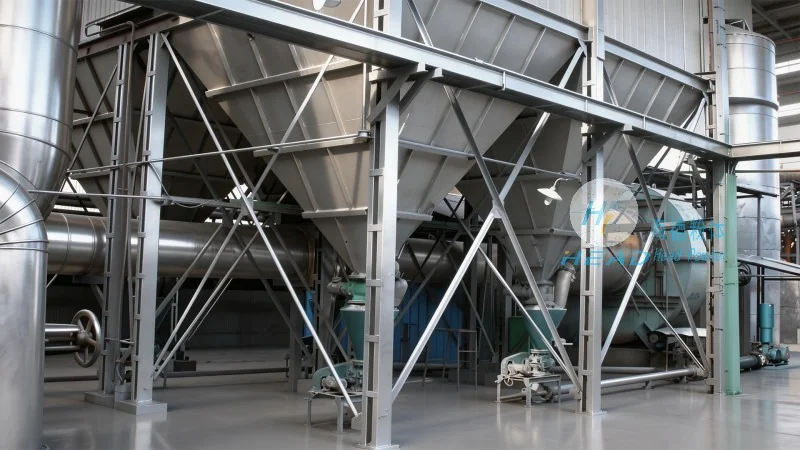
When implementing a fiberglass pneumatic conveying system, several factors must be considered to ensure optimal performance and longevity. First, the material characteristics of fiberglass, such as its particle size, moisture content, and abrasiveness, must be taken into account. Fine particles may require higher air velocities to prevent clogging, while abrasive materials may need specialized pipeline materials to prevent wear and tear. Second, the system design must consider the layout of the production facility, including the distance and direction of transport. Vertical lifts and horizontal runs require different air pressure and velocity settings to ensure efficient material movement. Third, the system must be equipped with proper filtration and cleaning mechanisms to prevent material buildup and maintain air quality. Regular maintenance and cleaning of the pipeline and equipment are essential to prevent clogs and ensure consistent performance. Finally, the system must comply with safety regulations, including proper grounding to prevent static electricity buildup and dust explosion prevention measures.
About Shandong HeadPowder Engineering Co., Ltd.
Shandong HeadPowder Engineering Co., Ltd., commonly known as HeadPowder, is a leading manufacturer and supplier of advanced material handling solutions, including fiberglass pneumatic conveying systems. With years of experience in the industry, HeadPowder specializes in designing and manufacturing customized conveying systems tailored to the specific needs of clients. The company's products are known for their durability, efficiency, and reliability, making them suitable for a wide range of applications in the fiberglass industry. HeadPowder's team of engineers and technicians work closely with clients to understand their production requirements and develop solutions that optimize material handling processes. The company is committed to providing high-quality products and excellent customer service, ensuring that clients receive the best possible support throughout the entire process. HeadPowder's headquarters is located in Shandong, China, where the company has a state-of-the-art manufacturing facility and a dedicated research and development center. The company's products are exported to various countries around the world, serving clients in different industries and regions.

 Shandong Headpowder Engineering Co., Ltd.
 156-6277-7102(Quản lý Trương)
  0531-83386006
  Thành phố Tế Nam, Tỉnh Sơn Đông, Trung Quốc
Điện thoại
WeChatTư vấn
Lên đầu